Online Reporter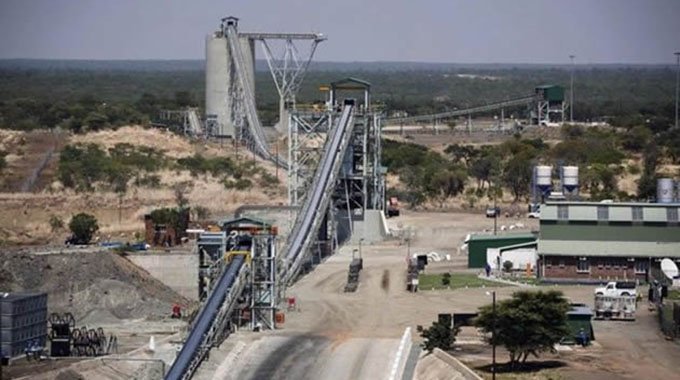
Zimpapers Business Hub
Impala Platinum Holdings Limited (Implats) says its refined platinum group metals (PGM) volumes are expected to benefit from improved annual processing availability at Zimplats and Impala Rustenburg in South Africa.
Impala is the parent company of Zimplats and the group has made several investments in Zimbabwe through the local PGM producer.
‘Refined volumes are expected to benefit from improved annual processing availability at both Impala Rustenburg and Zimplats,’ chief executive Mr Nico Muller said in a statement of financials for the year ended June 30, 2024.
In July 2025, Zimplats commissioned additional capacity, including a 38 megawatt (MW) expanded smelter and the first 35 MW phase of its 185 MW solar power project.
The US$398 million smelter expansion tripled the company’s annual concentrate processing capacity to 380 000 tonnes, enhancing processing and environmental performance and creating local jobs.
The solar plant is part of a broader US$1,8 billion expansion programme, which aims to improve energy independence and lower costs for Zimplats.
During the year under review, Impala 6E production slipped by 3 percent to 3,55 million ounces, negatively impacted by constrained throughput at Zimplats, safety stoppages at Rustenburg and operational adjustments at Marula and Impala Canada.
Managed operations declined 4 percent to 2,80 million ounces, while joint ventures such as Mimosa and Two Rivers helped offset some of the drag.
Financially, muted rand and PGM prices and weaker sales volumes eroded profitability. Gains from higher dollar metal prices were effectively cancelled out by rand strength, leaving headline earnings down 70 percent to R732 million and margins compressed to just 3 percent.
Looking ahead, Implats expects refined and saleable 6E production of 3,4–3,6 million ounces in FY2026, with cost guidance between R23 500 and R24,500 per ounce.
According to the World Platinum Investment Council (WPIC), Zimbabwe’s platinum production in the first quarter of 2025 declined by 13 percent year-on-year to 115,000 ounces, primarily due to lower ore grades and furnace issues.
Despite this decline, Zimbabwe remains the third-largest platinum producer globally and holds the second-highest platinum reserves.
Mining, especially of platinum group metals (PGMs), is crucial to the country’s economy, contributing 70 percent of its foreign currency earnings.



 Online Reporter