admin
admin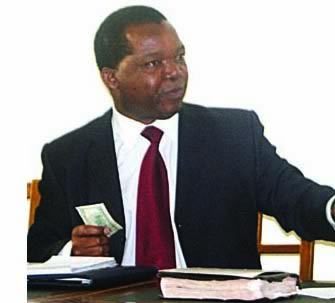
Farirai Machivenyika Harare Bureau
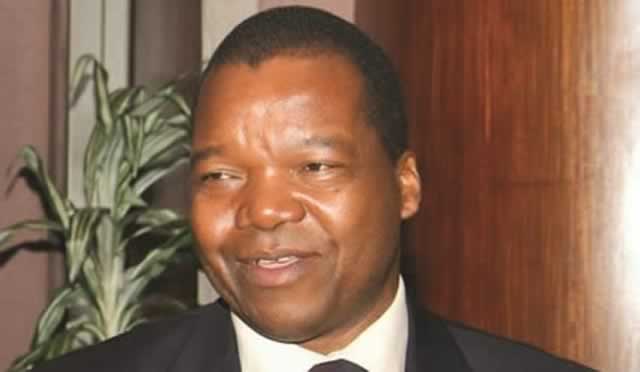
THE Zimbabwe Revenue Authority will engage the new Reserve Bank of Zimbabwe governor, Dr John Mangudya, when he assumes office at the beginning of May to urgently address cash leakages that have contributed to the liquidity challenges being experienced in the country. The move by Zimra follows reports that the country could be losing up to $3 billion annually due to unregulated movement of cash across borders following the adoption of the multi-currency system in 2009.
Zimra Commissioner General Gershem Pasi raised concern over the issue when he appeared before the Portfolio Committee on Foreign Affairs yesterday.
“We will be discussing this with the new governor (of the Central Bank) when he assumes office and we have submitted our proposal to the ministry (of Finance and Economic Development) on our concern of export of cash. For instance under the current regulations we enforce on behalf of the Central Bank, one is allowed to take out cash of $10,000 per person per trip.
“There is no limit on how many trips one can make. So if I have a million dollars all I would need is to drive to Beitbridge with my trunk full of money and cross to Messina (South Africa) and deposit it there and make two or three trips a day,” he said.
Pasi said government had moved from a situation where there was strict control of movement of cash during the Zimbabwe dollar era to one where there were no controls at all.
He said it was important that restrictions be put in place on the amount of money an individual is allowed to carry out of the country.
Pasi said cross-border traders were also responsible for exporting large sums of cash every day.
“Most of the imports really have nothing to do with economic revival so those are the areas where we will be engaging the new governor to try and also hear his thoughts and maybe win him over to our side because it is Zimra that now has to explain the deficit between exports and imports. Our advice is it’s an area that needs to be looked at,” he said.
Pasi added that another source of leakage was the amount of money banks were keeping in their Nostro accounts to meet their international obligations.
“We have a situation where there are Nostro accounts where banks keep money outside the country to meet their international transactions like when you have Visa cards and so on. It was okay but it was realised more money is being kept outside than is required to meet the international obligations,” he said.
Pasi said they had proposed that the law stipulates that any money kept outside and over what was required by a financial institution to meet its obligation be taxed to discourage banks from keeping money off-shore than was necessary.
“It’s a submission we have put to government but it has not been accepted as yet but we will continue to put such ideas so that we cap the monies that are being kept outside,” he said.
Pasi, however, said it was important that the industries be revived to reduce the import bill.
University of Zimbabwe lecturer Professor Ashok Chakravarti and Reserve Bank of Zimbabwe Deputy Governor Kupukile Mlambo told participants at a Sapes Trust policy dialogue on the liquidity crisis last week that lax rules were costing Zimbabwe approximately $3 billion annually and called for urgent measures to address the situation.
They said Zimbabwe had become a cheap source of US dollars for the region due to its porous regulations.


 Online Reporter