

 admin
admin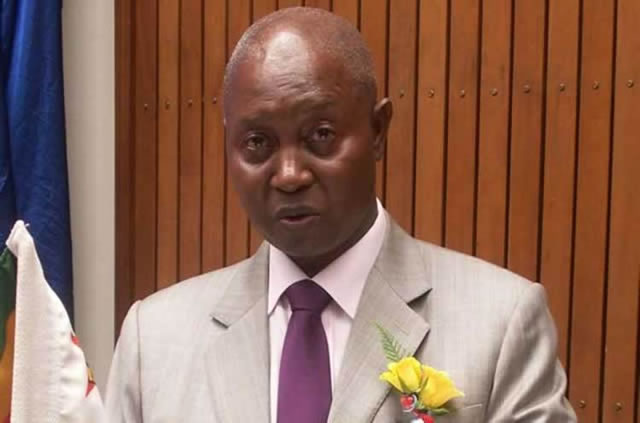
Farirai Machivenyika Harare Bureau
The Zimbabwe Revenue Authority (Zimra) will soon tax churches and is working on a legislative framework that should be ready by November for the purpose.
This was said by Zimra Commissioner-General Gershem Pasi when he appeared before the Parliamentary Portfolio Committee on Small and Medium Enterprises and Cooperatives Development.
“We’re now focusing on them (churches) and we’ve engaged them, we’re setting parameters,” he said.
“We don’t care how they make their money and come November, we’ll be through with our legislative proposals to the minister (of Finance and Economic Development, Patrick Chinamasa), which will tighten that area because we’ve seen loopholes there. They’re not immune to taxation.”
Pasi’s comments follow the mushrooming of churches that promote wealth accumulation with some of the leaders publicly flaunting their riches.
Some have also been accused of abusing their privileges as churches to avoid paying taxes.
Pasi also said Zimra was working on a new electronic system that will be launched on a trial basis in the coming few weeks and is expected to enhance revenue collection and target some sectors that are currently not contributing to the fiscus.
“In a few weeks time, we’ll be launching our pilot project. We’ll be launching a system which will be fool-proof and interfaces with our systems.
“Our pilots will cover various categories including the taxis. The meters that will be put in taxis will be linked to our systems and if someone tampers with them that car will not start,” he said.
He said Zimra was working with the ministry of Small and Medium Enterprises and Cooperative Development to register SMEs so that their operations are formalised.
“We’re working closely with the ministry responsible for SMEs in trying to bring sanity in the area. We’ve agreed that the ministry go through registration of all SMEs so that they can be formalised and we create a database then we’ll follow them through,” Pasi said.
He said the prevailing harsh economic environment had resulted in many company closures and pressure on the tax collector as many were involved in informal economic activities making it difficult for them to collect revenue.
Meanwhile, Pasi said there was need for a holistic approach by interested parties to come up with policies to address the challenges being faced by the economy.



 Online Reporter