

 Online Reporter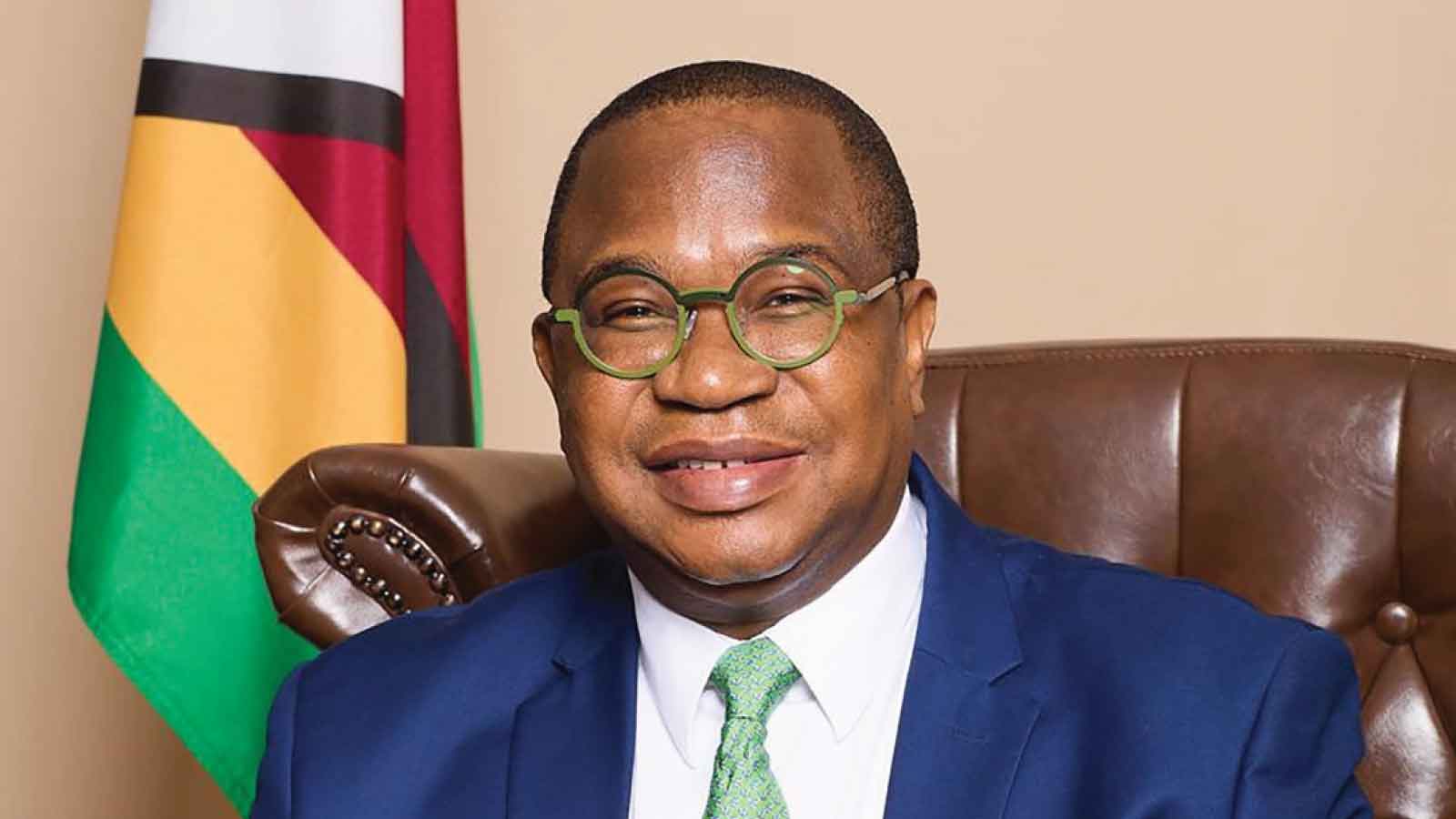
MacDenias Moyo
THE Government of Zimbabwe has once again demonstrated its unwavering commitment to opening up the economy for growth, reducing the cost of doing business and ensuring the nation stays firmly on the path towards Vision 2030.
At last week’s Cabinet meeting, decisive measures were approved to slash levies, streamline licences and remove unnecessary fees across critical sectors of the economy.
This bold step builds upon earlier reforms and signals a Government that is serious about creating a conducive environment for business, investment and inclusive growth.
Information, Publicity and Broadcasting Services Minister, Dr Zhemu Soda, announced the sweeping reforms, stating: “Cabinet approved the streamlining of duplicated and overlapping regulatory licences and permits, removed unnecessary levies and fees and lowered unjustifiably high levies and fees for the financial services sector.”
The measures include the removal of monthly fees for accounts with balances below US$100, the elimination of charges for transactions under US$5 and the scrapping of cash deposit charges for both US dollars and the Zimbabwe Gold (ZiG) currency.
Withdrawal fees have been capped at two percent, while account opening charges have been removed altogether.
Fees in microfinance institutions, insurance and pensions, mobile money and fintech capital markets have also been reduced.
In the manufacturing sector, reforms cover 10 sub sectors including agro-processing, textiles, timber, pharmaceuticals, motor vehicle assembly and iron and steel.
The rural district councils’ timber movement permit has been scrapped, while separate Environmental Management Agency licences have been consolidated into a single charge. Import licence fees and radiation-related charges have also been reduced.
In the health sector, the Cabinet approved the removal of initial registration fees for wholesalers and pharmaceutical premises, as well as reductions in inspection and renewal fees.
Dr Soda emphasised that the reviewed licences, permits and fees will be subjected to further refinements and a comprehensive schedule will be duly gazetted.
These reforms are not cosmetic.
They are structural interventions designed to cut red tape, lower costs and unleash the productive potential of businesses across the country.
Finance, Economic Development and Investment Promotion Minister, Professor Mthuli Ncube, has consistently emphasised that Zimbabwe’s economic reforms are about creating space for growth.
In his statement accompanying the Cabinet decision, he noted that the removal of unnecessary levies is part of a broader strategy to reduce the cost of doing business and encourage investment.
He explained that these measures complement earlier decisions to slash levies and are aligned with the Government’s commitment to Vision 2030.
President Mnangagwa has repeatedly underscored the importance of reforms that open up the economy.
He has declared: “We are building a Zimbabwe that is open for business, a Zimbabwe that values enterprise, innovation and hard work.
“Our goal is to transform Zimbabwe into an upper-middle-income economy by 2030 and every reform we undertake is a step toward that vision.”
The President has also emphasised value addition an beneficiation.
“We cannot continue to export raw materials and import finished goods.
“We must add value here at home, create jobs here at home and build industries here at home.
“That is how we will restore Zimbabwe as the breadbasket of Africa,” stated President Mnangagwa.
Since 2017, Zimbabwe has embarked on a reform trajectory anchored in the Transitional Stabilisation Programme (TSP), followed by the National Development Strategy 1 (NDS1) and now moving into NDS2.
Each phase has been about stabilisation, growth and transformation.
The TSP laid the foundation by restoring macroeconomic stability and re-establishing fiscal discipline.
NDS1 focused on growth, infrastructure development and social services. NDS2, now underway, is about transformation, industrialisation, modernisation and positioning Zimbabwe as a regional powerhouse.
These reforms have already yielded results. Fiscal discipline has been restored, inflation has been tamed and infrastructure projects are underway across the country.
International observers have noted Zimbabwe’s progress, acknowledging that the nation is on a path of recovery.
The latest Cabinet decision to slash levies and streamline licences is part of this trajectory.
It reduces costs for businesses, encourages investment and strengthens the link between policy and growth.
It is a practical demonstration of the Government’s commitment to Vision 2030.
For businesses, the removal of unnecessary fees means lower operating costs, higher margins and greater competitiveness.
For individuals, it means lower banking charges, cheaper access to financial services and more disposable income.
For the nation, it means a more dynamic economy, greater investment and more jobs.
These reforms also send a powerful signal to investors.
They show that Zimbabwe is serious about creating a conducive environment for business and that the Government is willing to tackle structural impediments.
The Government has banned the export of raw materials to encourage value addition and beneficiation.
It has slashed levies to reduce costs, streamlined licences to cut red tape and implemented reforms across sectors.
Vision 2030 is within reach. Zimbabwe is on a path of recovery and progress has been noted internationally.
The promise of NDS2 is real.
The nation must stay the course, embrace reforms, build industries and restore its status as the breadbasket of Africa.
The Government has shown vision, commitment and progress. The path is clear and the destination remains an empowered, prosperous Zimbabwe by 2030.



