Online Reporter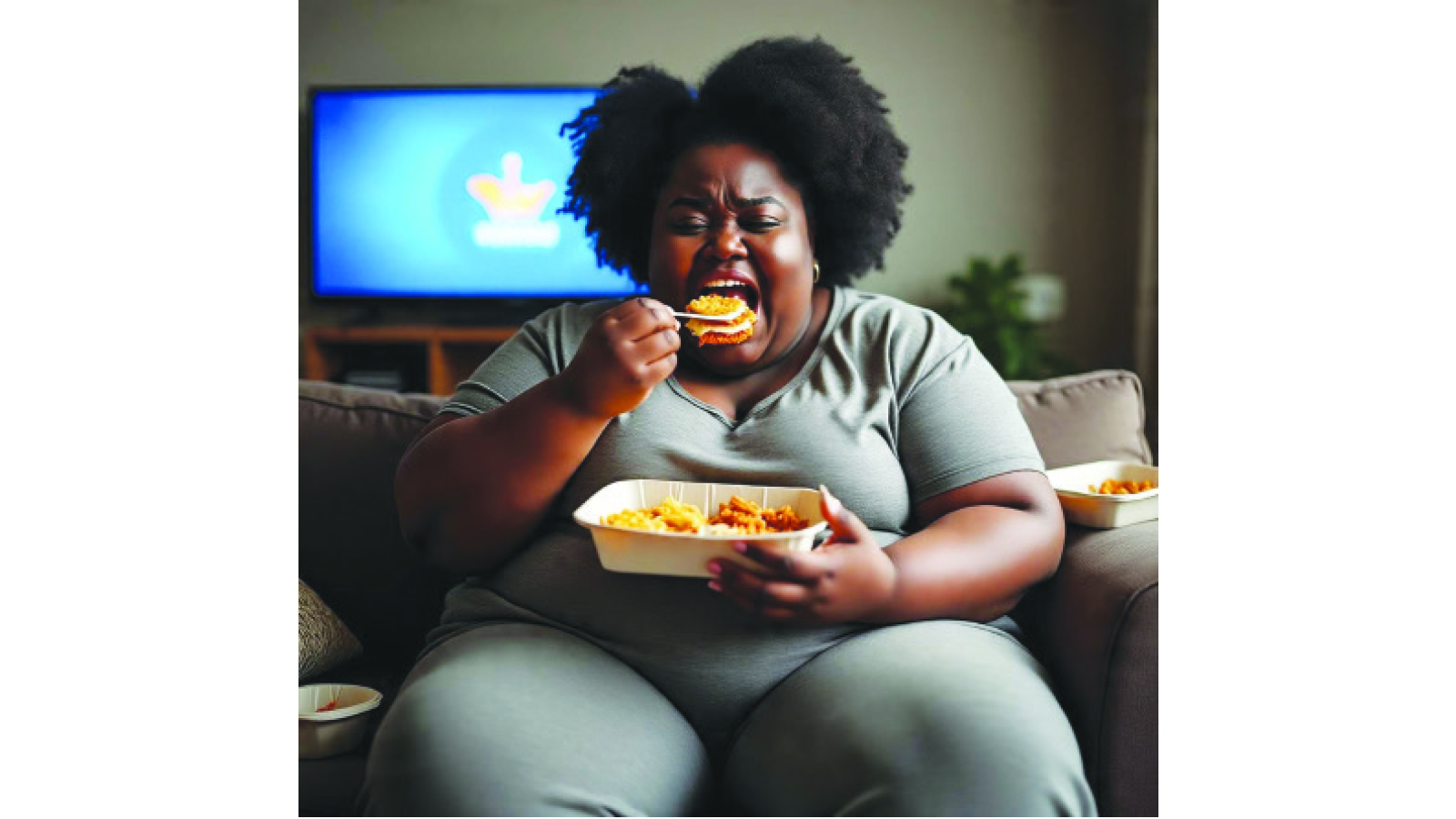
Nick Mangwana
Government Up Close
A growing health emergency
When KFC opened its outlet in Kuwadzana high-density suburb, the event was met with a mix of adulation and alarm. For some, it was a symbol of economic progress and modern convenience, a beloved global brand bringing jobs and a taste of the cosmopolitan to the township. For others, it was a harbinger of a worrying dietary shift. This concern only deepened as competitors like Hungry Lion expanded aggressively across the country, bringing with them, beyond the obvious employment opportunities and downstream economic benefits, a menu of calorie-dense, ultra-processed foods that public health advocates viewed with deep suspicion. Now, the Zimbabwean Cabinet has spoken decisively on this very issue. Deliberating on the stark findings of the 2025 Zimbabwe Livelihoods Assessment Committee (ZimLAC) report, which revealed that a staggering 35 percent of adults are overweight or obese, the Government has moved beyond concern to concrete policy action, validating the early alarms and setting a new course for the nation’s nutritional health.
Zimbabwe stands at a crossroads between traditional dietary practices and the encroaching tide of globalised fast-food culture. Let me repeat this for emphasis; recent data from the Zimbabwe Livelihoods Assessment Committee (ZimLAC) 2025 reports has unveiled a disturbing reality: 35% of adult Zimbabweans aged 18-59 are now classified as either overweight or obese. This statistic is not merely a number; it represents a public health crisis that demands immediate and decisive action. The proliferation of fast-food outlets in urban and peri-urban areas, coupled with shifting consumer habits towards unhealthy, processed foods, has created a perfect storm for non-communicable diseases (NCDs) to thrive. In this context, the Government’s introduction of a fast-food tax is not only justified but essential to curb this epidemic and safeguard the nation’s health. While critics may decry it as a regressive measure, the tax represents a proactive step towards mitigating the long-term costs of obesity-related diseases and encouraging healthier lifestyles.
The obesity crisis: Numbers and implications
The ZimLAC report, deliberated by the Cabinet on September 16, 2025, highlights that over a third of Zimbabwe’s adult population is now overweight or obese. This figure is consistent with earlier trends reported by the Global Nutrition Report, which noted that 27.9 percent of adult women and 5.6 percent of adult men in Zimbabwe are living with obesity — rates that exceed regional averages for women. The same report emphasizes that Zimbabwe is “off course” in meeting targets for obesity, diabetes, and raised blood pressure, suggesting a systemic failure to address the drivers of NCDs. The implications are dire: obesity is a key risk factor for cardiovascular diseases, diabetes, and certain cancers, all of which strain healthcare systems and reduce productivity.
Socioeconomic and urban dimensions
The crisis is particularly acute in urban areas, where sedentary lifestyles and the convenience of fast food have replaced traditional diets. The ZimLAC report notes that while food security has improved overall, this has not translated into better nutritional outcomes for all segments of the population. Ironically, economic improvements have inadvertently contributed to poorer dietary choices, as fast food becomes a symbol of modernity and affordability for busy workers and youth. This shift is evident in the rise of fast-food chains offering calorie-dense, nutrient-poor items like burgers, pizzas, and fried chicken, which are aggressively marketed to urban dwellers.
The proliferation of fast food: A catalyst for disease
Zimbabwe’s cities have witnessed an explosion of fast-food outlets in recent years, driven by urbanisation and changing consumer preferences. These establishments offer cheap, convenient, and highly palatable foods that are high in sugars, unhealthy fats, and sodium. The Global Nutrition Report highlights that Zimbabweans are consuming diets that fall short of recommended intakes of fruits, vegetables, and whole grains while exceeding thresholds for unhealthy components. This dietary shift is a key driver of the obesity epidemic, as fast food becomes a daily staple for many, especially the youth and low-income earners who see it as an affordable treat.
The fast-food tax: A justified and necessary intervention
In response to this crisis, the Government introduced a 0.5 percent levy on fast-food items in January 2025, targeting products such as pizza, burgers, French fries, and doughnuts. This measure is designed to achieve dual objectives: discouraging consumption of unhealthy foods and generating revenue for public health initiatives. Early results are promising; the tax netted nearly US$1 million in its first six months, demonstrating its potential as a revenue stream. Deputy Minister of Finance, Honourable Kudakwashe Mnangagwa, confirmed that collections amounted to US$954 912 between January and June 2025, with accounting processes now fully operationalised.
Critics argue that the tax is regressive, disproportionately affecting low-income earners who rely on fast food for affordability and convenience. Some have dismissed it as a “tax on survival treats”. However, this view overlooks the broader context. The tax is not meant to punish consumers but to incentivise healthier choices and fund mitigatory measures. Moreover, the Government’s other health related intervention, sugar-content surtax on beverages — which raised over US$30 million in the first half of 2025 — has already shown how such levies can support critical health programs, including the production of essential medicines and cancer equipment for public hospitals. The fast-food tax can similarly be channelled into public health campaigns, subsidising nutritious foods, or expanding healthcare screening services.
Global precedents and public health
Zimbabwe’s approach is aligned with global best practices. Countries like Mexico, the UK, and South Africa have implemented similar taxes on sugary drinks and junk food, resulting in measurable reductions in consumption and improvements in health outcomes. The World Health Organisation (WHO) advocates for fiscal policies as effective tools to combat obesity, emphasising that price increases of 10-20 percent can lead to significant declines in demand for unhealthy products. By adopting this strategy, Zimbabwe is demonstrating a commitment to evidence-based public health policy.
Beyond the Tax: A comprehensive strategy for change
The Cabinet has rightly emphasised the need to raise awareness and upscale screening for early disease detection. Tax revenue should be allocated to nationwide campaigns educating citizens about the risks of obesity and the benefits of healthy eating. Mobile clinics and community health programs could offer free screenings for diabetes and hypertension, particularly in underserved urban areas where fast-food consumption is highest. This writer contends that the nation needs to do this with as much gusto as is being witnessed in the fight against substance abuse before these budding tastes have concretised as second nature. The consumption of white corn (maize) has not always been with us but was introduced by colonialists and deliberately promoted in the 1940s and ‘50s.
Promoting healthy alternatives
Simultaneously, the Government of Zimbabwe is already taking concrete and proactive steps to promote access to and production of healthy foods. Central to this strategy is the vigorous promotion of traditional grains and whole grains. Through initiatives like the Pfumvudza/Intwasa Programme and the National Traditional Grains Strategy, the Government is actively encouraging the cultivation of nutrient-dense, drought-resistant crops such as sorghum (mapfunde) and millet (mhunga), rapoko (rukweza). This is not only a food security measure but a direct public health intervention to shift dietary patterns back to these healthier, indigenous staples.
Beyond grains, the Government is aggressively advancing its Horticulture Recovery and Growth Plan. This policy is designed to boost the domestic production, availability, and consumption of a diverse range of fruits and vegetables.
Key actions within this strategy are deliberately designed to promote a sovereign, healthy, and sustainable food system, a principle underscored by the Government’s firm stance against the cultivation and importation of genetically modified organisms (GMOs). This proactive commitment to natural, traditional crops provides a clear and healthy alternative to processed foods and aligns with global trends demanding natural, non-GMO produce. Specific interventions include:
• Support for Irrigation Development: Ensuring year-round production of fresh, natural produce, mitigating the impacts of climate change, and securing a consistent supply of non-GMO foods.
• Strengthening Market Linkages: Connecting smallholder farmers of traditional grains and organic horticulture to formal markets, including supermarkets and lucrative export channels that often premiumise non-GMO and organic certifications, thereby increasing farmer income and making nutritious, natural food more available.
• Promotion of High-Value Nutritious Crops: Actively encouraging the cultivation of bio-fortified indigenous crops (like iron-rich pearl millet and zinc-rich sorghum) and vitamin-rich vegetables to directly combat malnutrition, leveraging natural genetic diversity rather than genetic modification.
These targeted agricultural policies are complemented by broader efforts to make healthy choices more accessible. The ZimLAC report itself notes that the proportion of households consuming acceptable diets has improved, a trend these Government programmes aim to accelerate. While affordability remains a challenge, these foundational actions—from promoting traditional grain farming to supporting horticulture — demonstrate a committed, multi-faceted approach to ensuring healthier food options are not just available but are a sustainable and promoted part of the national diet.
Regulatory and industry accountability
This writer believes that, while the fast-food tax is a step in the right direction, it should be part of a broader regulatory framework. Some of the regulatory interventions which have been effectively implemented elsewhere include;
• Mandatory labelling of fast-food items with calorie and nutrient information.
• Restrictions on marketing unhealthy foods to children.
• Incentives for restaurants to offer healthier menu options.
• Health warnings on some of the packages like the ones on cigarettes and alcohol
Industry players must also be held accountable. Rather than passing costs entirely to consumers, fast-food chains could reformulate products to reduce sugar, salt, and fat content.
Conclusion: A call to action and a shift in mindset
The obesity crisis in Zimbabwe is a ticking time bomb that demands a collective shift in perspective as much as it requires policy solutions. We must fundamentally reject the outdated and dangerous notion that a rounded midriff is a sign of prosperity. Instead, it should be rightly frowned upon as a visible sign of poor health choices and overindulgence — a warning of metabolic disease, not a badge of wealth (with understanding reserved for those whose genetics have conspired against them). This cultural reckoning is essential.
The Government has rightly recognized this emergency and is not standing idly by. Its interventions — from the bold fast-food tax that disincentivises unhealthy consumption to the strategic promotion of traditional grains and the Horticulture Recovery and Growth Plan that increases access to natural, nutritious foods — represent a comprehensive and commendable assault on this crisis. These policies, which align with global best practices, demonstrate a decisive commitment to safeguarding the nation’s health.
However, these Government measures alone are not a panacea. They must be met with public support and complemented by robust awareness campaigns, improved access to healthcare screening, and personal responsibility. As a nation, we must consciously choose the sustainable health offered by our own traditional diets over the fleeting convenience of imported fast-food culture. Supporting the government’s multifaceted strategy is a critical step toward securing the future well-being of all Zimbabweans.
Nick Mangwana is the Permanent Secretary for Information, Publicity and Broadcasting Services