


 Online Reporter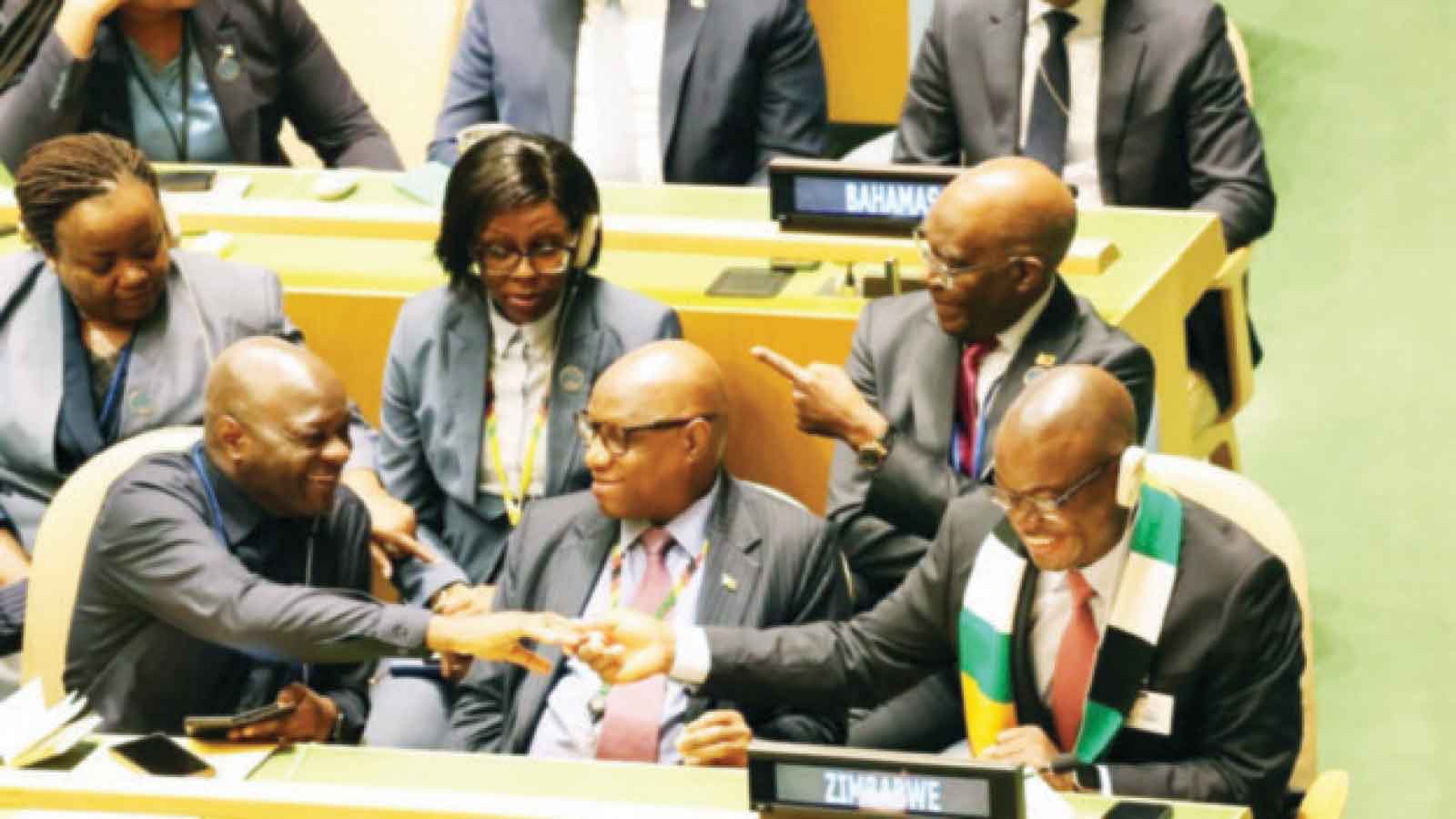
Lt-Col Humphrey Makuyana
Zimbabwe’s successful election to the United Nations Security Council (UNSC) for the 2027-2028 term represents one of the most significant diplomatic achievements in the nation’s recent history.
Beyond the celebratory headlines and congratulatory messages lies a deeper strategic reality: This victory is a testament to international diplomatic astuteness, geopolitical relevance and the enduring power of principled engagement in a rapidly changing world order. In the arena of international relations, victories are seldom accidental. They are carefully cultivated through years of engagement, negotiation, consensus-building and strategic positioning.
Zimbabwe’s ascension to one of the world’s most influential decision-making bodies is, therefore, not merely a procedural election result; it is a diplomatic endorsement by the international community and a recognition that Zimbabwe remains a consequential voice within Africa and the broader Global South.
Victory earned
The UNSC seat is among the most coveted positions within the international governance architecture. Membership provides countries with a direct role in deliberations concerning international peace and security, sanctions, peacekeeping operations, conflict resolution and global crises. For Zimbabwe, securing this seat required more than regional support.
It demanded international confidence.
The overwhelming endorsement received from the United Nations General Assembly reflects the successful execution of a long-term diplomatic strategy. It demonstrates that Zimbabwe was able to persuade nations across diverse ideological, economic and political divides that it deserves a place at the table where some of the world’s most consequential decisions are made. This achievement illustrates an important truth often overlooked by critics of international diplomacy: Influence in the modern world is not measured solely by economic size or military capability.
It is also measured by credibility, consistency, strategic partnerships and the ability to build coalitions around common interests.
Zimbabwe demonstrated these qualities with remarkable effectiveness. Zimbabwe’s diplomatic journey since independence has traversed periods of acclaim, confrontation, isolation and re-engagement.
During the liberation era and the immediate post-independence years, Zimbabwe earned international respect for its support of African liberation movements and its advocacy against colonialism and apartheid.
Subsequent decades presented significant challenges as relations with some Western nations deteriorated amid political and economic disputes. Yet diplomacy is fundamentally about adaptation. Rather than retreat from the international stage, Zimbabwe gradually embraced a strategy of engagement, strengthening relations with emerging powers while simultaneously rebuilding dialogue with traditional partners. The UNSC victory suggests that this approach is bearing fruit. It indicates that many nations increasingly view Zimbabwe as an important stakeholder in international affairs rather than through the prism of past controversies alone. The election is, therefore, both a validation of contemporary diplomatic efforts and a signal that the international community recognises Zimbabwe’s potential contribution to global governance.
Geopolitics in an era of multipolarity
Zimbabwe’s election occurs at a pivotal moment in global history.
The international system is undergoing profound transformation. The unipolar world that emerged after the Cold War is steadily giving way to a more complex and competitive multipolar order characterised by the rise of China, India, Brazil, regional powers, and increasingly assertive middle-income nations.
In this evolving environment, countries that successfully navigate multiple centres of power gain strategic advantages. Zimbabwe has demonstrated considerable diplomatic dexterity by cultivating relationships across competing geopolitical blocs.
It has maintained strong ties with China and Russia while pursuing engagement with Western nations, regional organisations and emerging economies. This balanced foreign policy reflects diplomatic pragmatism rather than ideological rigidity. The UNSC seat offers Zimbabwe an opportunity to further consolidate this position by acting as a builder of bridges between competing interests and by advancing dialogue on issues affecting developing nations.
Zimbabwe’s election must also be understood within the broader context of Africa’s quest for greater representation in international institutions. For decades, African nations have argued that the global governance framework established after the Second World War no longer reflects contemporary demographic, economic and political realities.
Africa’s 1,5 billion people remain underrepresented in key decision-making bodies despite the continent being central to many of the issues debated at the UNSC. Zimbabwe’s presence strengthens Africa’s collective voice. It provides another platform through which the continent can articulate its positions on peacekeeping, development, climate security, counter-terrorism, migration and international justice. Importantly, Zimbabwe joins the UNSC at a time when African solutions to African challenges are increasingly recognised as essential for sustainable peace and stability. The country’s experience within regional organisations and peace initiatives equips it with valuable perspectives that can enrich global discussions.
Strategic recognition of national sovereignty
Another important dimension of Zimbabwe’s election is the implicit recognition of national sovereignty and the principle of non-interference.
Many developing nations have long expressed concern regarding the selective application of international norms and the unequal treatment of states within the global system. Zimbabwe has consistently advocated for respect for sovereign equality, mutual respect among nations and adherence to international law. Its election suggests that these positions resonate with a substantial segment of the international community.
In an era marked by geopolitical tensions, proxy conflicts and competing interpretations of international norms, Zimbabwe’s emphasis on sovereignty and peaceful coexistence offers a perspective that many countries find increasingly relevant.
While the UNSC is primarily concerned with peace and security, membership often carries broader economic implications. International visibility enhances a country’s diplomatic profile. It opens doors to new partnerships, trade discussions, investment opportunities and developmental cooperation.
For Zimbabwe, the UNSC seat provides an opportunity to strengthen economic diplomacy by leveraging increased international attention to promote investment, tourism, infrastructure development and industrial growth. Global investors often monitor political legitimacy and international standing when assessing opportunities.
Although the UNSC membership is not a guarantee of economic success, it contributes positively to perceptions of international acceptance and diplomatic relevance.
The challenge now lies in converting diplomatic capital into tangible developmental outcomes. With prestige comes responsibility.
Membership of the UNSC demands intellectual preparedness, policy coherence and diplomatic sophistication.
Zimbabwe will be required to take positions on some of the world’s most complex and divisive issues. Decisions regarding armed conflicts, humanitarian interventions, sanctions regimes and peacekeeping mandates will require careful deliberation and principled judgement. The country must, therefore, invest in strengthening its diplomatic institutions, policy research capacity and international engagement mechanisms.
Success will depend not merely on occupying the seat but on making meaningful contributions to the council’s work.
A defining moment in Zimbabwe’s international relations
History often remembers nations not only for their domestic achievements but also for how they conduct themselves on the global stage. Zimbabwe’s election to the UNSC is a defining moment in its foreign policy evolution. It reflects resilience in the face of diplomatic challenges, strategic adaptability in a changing geopolitical environment and the effectiveness of sustained international engagement. Most importantly, it demonstrates that Zimbabwe continues to command respect and support within the international community. This victory is not solely Zimbabwe’s triumph.
It is also a victory for African diplomacy, for multilateralism and for the principle that nations, regardless of size, can influence global affairs through strategic engagement and diplomatic excellence. All told, Zimbabwe’s successful bid for a non-permanent seat on the UNSC stands as a remarkable example of international diplomatic astuteness on the geopolitical front.
It is evidence of a nation that has skilfully navigated complex international currents, built strategic alliances and earned the confidence of the global community.
It affirms Zimbabwe’s continuing relevance in international affairs and strengthens Africa’s voice within the highest levels of global decision-making. As the nation prepares to assume its responsibilities in 2027, the world will be watching closely. The true measure of this triumph will not be the election itself, but the wisdom, leadership and vision Zimbabwe brings to the council chamber.
The seat has been won through diplomacy. Its legacy will be determined through statesmanship.
Lt-Col Humphrey Makuyana is a freelance political, economic and governance commentator.



