Online Reporter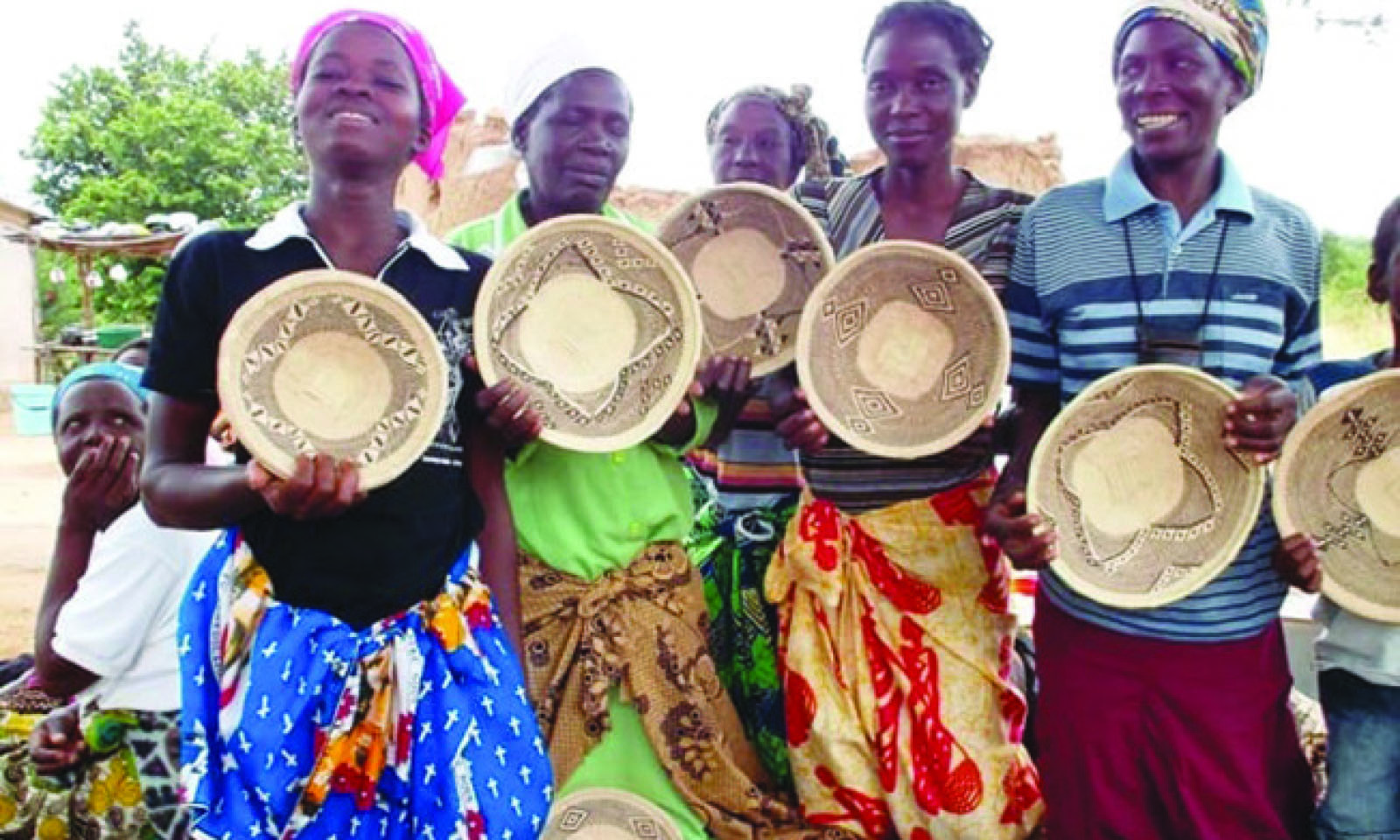
Sikhulekelani Moyo
Zimpapers Business Hub
ZIMTRADE is driving rural economic growth and development in Zimbabwe by fostering export-ready businesses within specific communities through a structured cluster development approach.
This model focuses on enhancing production, strengthening supply chains and facilitating access to global markets.
This emerged at the Rural Industrialisation Conference held in Kadoma from June 25 to 28, 2025, where ZimTrade delivered a presentation on how its community-based initiatives are contributing to inclusive industrial growth by empowering local producers and bridging the rural-urban divide.
At the core of this strategy is the development of rural production clusters.
In its July newsletter, ZimTrade said these clusters brought together small-scale producers, artisans, and entrepreneurs working in similar sectors and regions.
Each group receives technical assistance, export readiness training and business development support tailored to their needs.
The goal is to increase production volumes, enhance product quality, and prepare businesses to meet international standards.
“Unlike one-off interventions, the cluster model provides holistic, long-term support that covers every stage of the value chain,” reads part of the newsletter.
“From improving production methods and packaging to branding, market access, and regulatory compliance, rural enterprises are guided through each step required to operate competitively and sustainably in global markets.
“The growing interest in natural, ethically sourced and culturally distinctive products in global markets gives Zimbabwean clusters a clear advantage.”
Rural producers are well-positioned to meet this demand using indigenous resources, traditional knowledge and increasingly sophisticated production systems.
Currently, ZimTrade supports more than 22 provincial clusters across Zimbabwe, each aligned with sector trends and export potential. At the conference, several clusters were highlighted for their strong performance and development impact.
Some of the clusters, including the Midlands Peas Cluster, are producing high-quality green peas that have attracted attention from export buyers.
In Matabeleland North, the Arts and Crafts Cluster focuses on traditional handmade goods, creating opportunities for cultural preservation and tourism-linked trade.
The Mudzi Baobab Cluster processes baobab fruit into powders, oils and pulp with growing demand in wellness markets.
In Mashonaland East, the Chikomba Honey Cluster is promoting modern beekeeping and value-added honey products.
The Pahasha Banana Cluster is helping farmers strengthen post-harvest practices and access formal markets.
In Buhera, the Arts and Crafts Cluster is producing authentic handcrafts inspired by local culture. Other clusters mentioned include the Harare Leather Cluster, Usafi Marula Oil producers, Ndiyadzo Pineapple Cluster, Mashava Arts Centre, and the Masvingo Marula Cluster.
ZimTrade said each of these demonstrates how, when equipped with the right knowledge and resources, rural communities can become active participants in both national and international trade.
The trade promotion and development body’s technical interventions focus on areas such as increasing production and creating viable commercial pathways.
Assistance includes improving production standards, ensuring compliance with export regulations, upgrading packaging and branding, and connecting producers with regional and international buyers.
As a result, many of these clusters are now exporting finished products rather than raw materials. ZimTrade said partnerships with tertiary institutions and universities had further strengthened this model.
“Through collaboration with research and academic institutions, ZimTrade is helping clusters incorporate innovation, technical expertise, and sustainability into their operations,” said the organisation.
“These partnerships are vital in ensuring rural enterprises apply modern production methods while maintaining their authenticity and local character.
“This focus on practical innovation is also addressing broader development goals.”
As value chains emerge around locally available products like baobab, marula, honey, and citrus, communities are reporting increased household incomes, new entrepreneurial ventures, and a growing culture of productivity.
A key outcome of the cluster approach is its emphasis on value addition.
Products that were once sold raw or unprocessed are now reaching the market as export-ready goods. Baobab juice, marula-based skincare items, and processed honey products are examples of how rural activities have been transformed into high-value, branded commodities with regional and global appeal.
This shift aligns with Zimbabwe’s economic vision to become an upper-middle-income economy by 2030 and increase the share of value-added exports.
Moving away from dependence on raw commodities such as tobacco and minerals allows the country to diversify its trade base and build competitiveness in sectors that offer long-term sustainability.