Online Reporter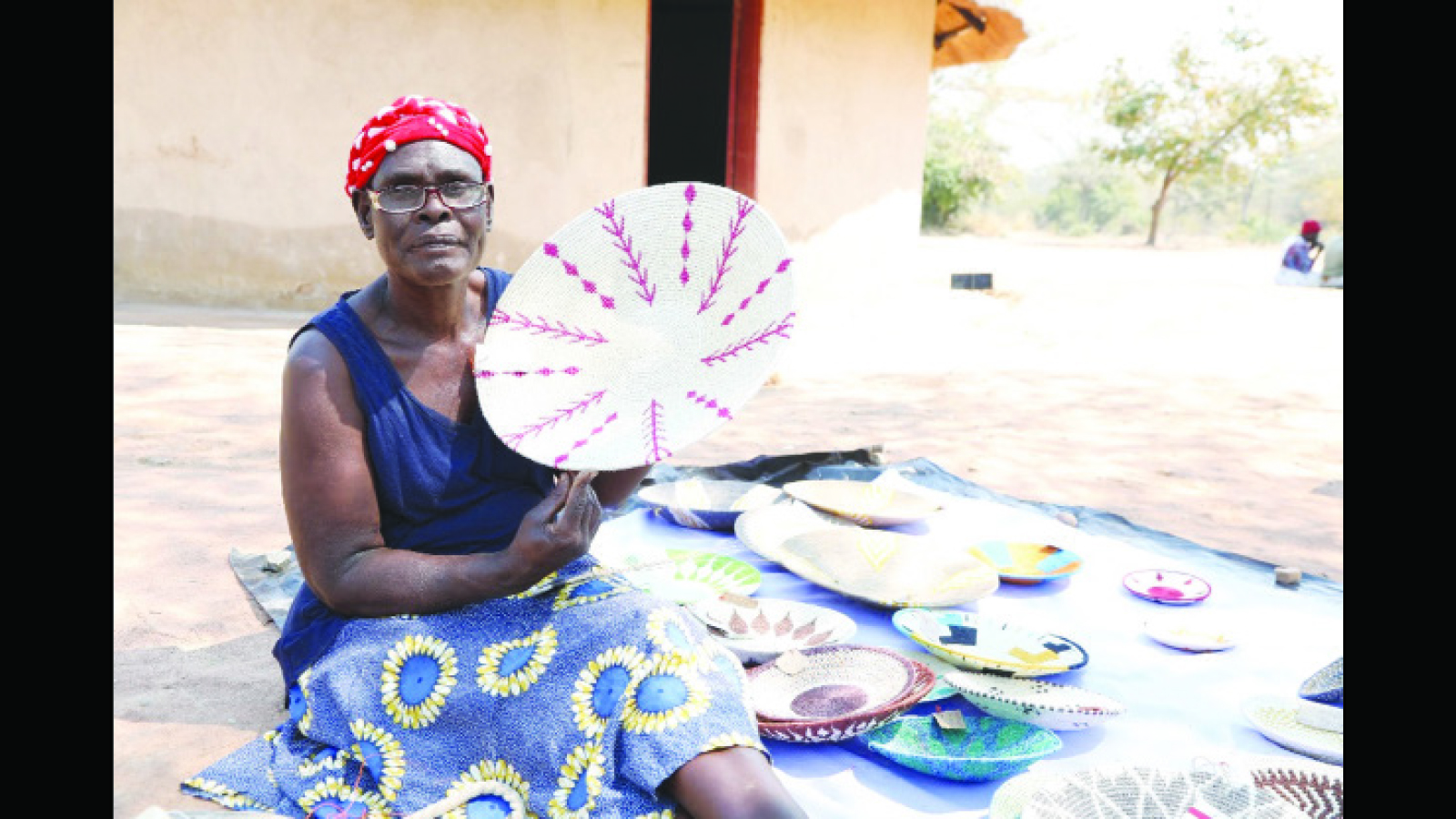
Business Reporter
The national trade development and promotion organisation, ZimTrade, has embarked on a capacity-building initiative for Zenzele Basket Works, a basketry cluster in Chivi.
This is an effort to make the cluster export-ready by preparing it to meet the global standards required by markets worldwide.
The move will also enable the group to integrate into the mainstream economy as their export capacity is boosted.
Zenzele Basket Works is a cluster comprising more than 400 women, mainly widows, from Wards 19 and 32 of Chivi district.
ZimTrade’s capacity-building initiatives are focusing on enhancing the export readiness and competitiveness of Zimbabwean enterprises, particularly women and youth-led businesses and SMEs.
Through targeted training programmes, technical assistance and market linkage strategies, ZimTrade is looking to enhance the viability of local baskets on the global market, particularly in the affluent European and American markets.
These capacity-building programmes include the Marketing and Branding for International Competitiveness (MBIC), which helps businesses to improve product quality, packaging, and identify market opportunities. T
his move comes as the Government accelerates the devolution agenda and the National Development Strategy 1 (NDS1) by supporting rural communities to undertake self-help empowerment projects to produce export-oriented products.
Zimbabwe, led by President Mnangagwa, is seeking to attain an upper middle-income society status by 2030, and in sync with this vision, the President has declared that no one and no place must be left behind as the country is transformed.
Zenzele Basket Works coordinator, Mrs Harugumi Korogwe, said that she had been weaving baskets for over thirty years, but ZimTrade is providing new and different expertise that makes them competitive in the export market.
“Their help has come in handy because it has helped us refine our basketry. We are very confident that our products are now competitive in the export markets that we seek to send our products to,” said Mrs Korogwe.
Women’s Quota Councillor for Chivi, Mrs Martha Machonese, lauded the Government’s initiative of leaving no one and no place behind, saying it is improving the visibility of communities that were previously secluded from economic activity.
“As a councillor, I am happy that the Second Republic is now recognising our community’s work, especially from reclusive areas. This is poised to uplift the livelihoods of women in Chivi district,” said Mrs Machonese.
ZimTrade is supporting the cluster to refine its craftsmanship, improve finishing techniques, and align products with international market standards.
Zenzele Basket Works member Mrs Regina Gomba said she has been weaving since 1975 and managed to send her children to school through basketry. However, she noted that market dynamics have shifted and are no longer in their favour due to market limitations, thus she pleaded with ZimTrade to find them markets that will uptake their products consistently.
“We used to have customers from South Africa and the United States, but they have since stopped. We are, therefore, pleading with ZimTrade to find markets for our wares,” she said.
Despite the current market limitations, the women indicated that they have been able to fend for their families by supplying local markets.
In Buhera, Maoko Izanhlha Heritage Association, formerly known as the Buhera Baskets cluster, is another basketry group being prepared for export readiness. Their baskets are famous for their longevity as they are not destroyed by termites and other insects.
Mrs Evelyn Muzerengwa, a member of Maoko Izanhlha Heritage Association, said members of her group are pinning their hopes on collaboration with the national trade development and promotion organisation to enhance the fortunes of their venture.
“We are banking on this collaboration with ZimTrade because we know it has the potential to change our lives. Buhera is a drought-prone area and, because of that, basketry is what we know and cannot let go,” she said.
Another member, Mrs Esnath Barnabas, said she was hopeful that collaboration with ZimTrade would ensure the viability of their business through market access.
“We are putting a lot of effort into making these baskets, thus we want markets to open up so that the community of people weaving baskets here in Buhera South are rewarded for their efforts. Despite the shrinking chances of selling our wares, we are still getting money for our children’s education and food,” said Mrs Barnabas.
They have been able to diversify some of their earnings into poultry and livestock projects. Zimbabwean baskets have a comparative advantage given that they are made of quality organic fibre.
Through ZimTrade, these clusters have been able to improve productivity and skills to upscale their export readiness. Plans are also underway to train new weavers to meet orders in a timely manner, and a drive to come up with new designs is in progress to enhance variety in the export market.