admin
adminlate payment penalty.
The public authority said the two notices issued recently were only concerned about the licensing late payment penalty fee paid to the road fund.
This, it said, had nothing to do with the operations of the police.
The said June 30 grace period still exists and anyone who pays for the licence after May 31 is not being charged the late payment penalty.
In an opposing affidavit filed by Zinara chief executive officer Mr Frank Chitukutuku, in a High Court case in which Mrs Roselyn Hanzi is seeking to compel Zinara, the police and the Harare City Council from penalising motorists for failure to pay for licences, Zinara said it was misquoted.
Mr Chitukutuku, through Zinara lawyers Mr Farai Mutamangira and Mr Itai Ndudzo of Mutamangira and Associates, opposed the application by Ms Hanzi.
He argued that Zinara never revoked or scrapped their grace period.
The extended deadline was for Zinara administration penalties paid by those who license their vehicles after the deadline and that it did not deter the police from executing their constitutional mandate of arresting offenders. Mr Chitukutuku also argued that Ms Hanzi and her lawyers failed to properly interpret the law.
Section 36 of the Vehicle Registration and Licensing Act relied upon by Ms Hanzi only gives a grace period in relation to penalties paid to Zinara for late renewal of licences and not fines by the police.
“Section 36 is not subject to any interpretation beyond the issue of a penalty of late payment of licence fees and the period within which such penalty shall be charged.
“The penalty referred to in Section 36 is payable to the road fund and is enforced and collected by Zinara,” he said.
It is Zinara’s contention that that Ms Hanzi was failing to appreciate the difference between Section 36 and Section 22 of the Vehicle Registration and Licensing Act.
Mr Chitukutuku also argued that the police under Section 22 of the Act were empowered to arrest any vehicle owners who fail to licence their vehicles. Section 22 (1) reads:
“The owner of every registered vehicle shall keep such vehicle licensed in terms of this Act.”
Section 22(3) reads: “Any person who contravenes subsection (1) shall be guilty of an offence and liable to a fine not exceeding level three.”
Mr Chitukutuku indicated in the affidavit that the motorists were obliged to license their vehicles and that the police could not be stopped from making arrests.
He said it was “mind-boggling and extremely difficult to comprehend how applicant and her legal practitioners have demonstrated apparent confusion and gross misinterpretation of such basic provisions of the law.”
Zinara further argued that the police were legally correct in fining Ms Hanzi for failure to license her vehicle.
“It is clear that the applicant (Ms Hanzi) is a victim of her own bad choices and applicant’s case is aggravated by the failure on her part to seek clarity with the first respondent (Zinara) on any misunderstanding she might have conceived from the public notices,” Zinara says.
Justice Andrew Mutema on Tuesday indefinitely reserved judgment on the Ms Hanzi’s urgent chamber application after hearing arguments from both sides.


Online Reporter
- Herald
- July 28, 2026
- 14 views
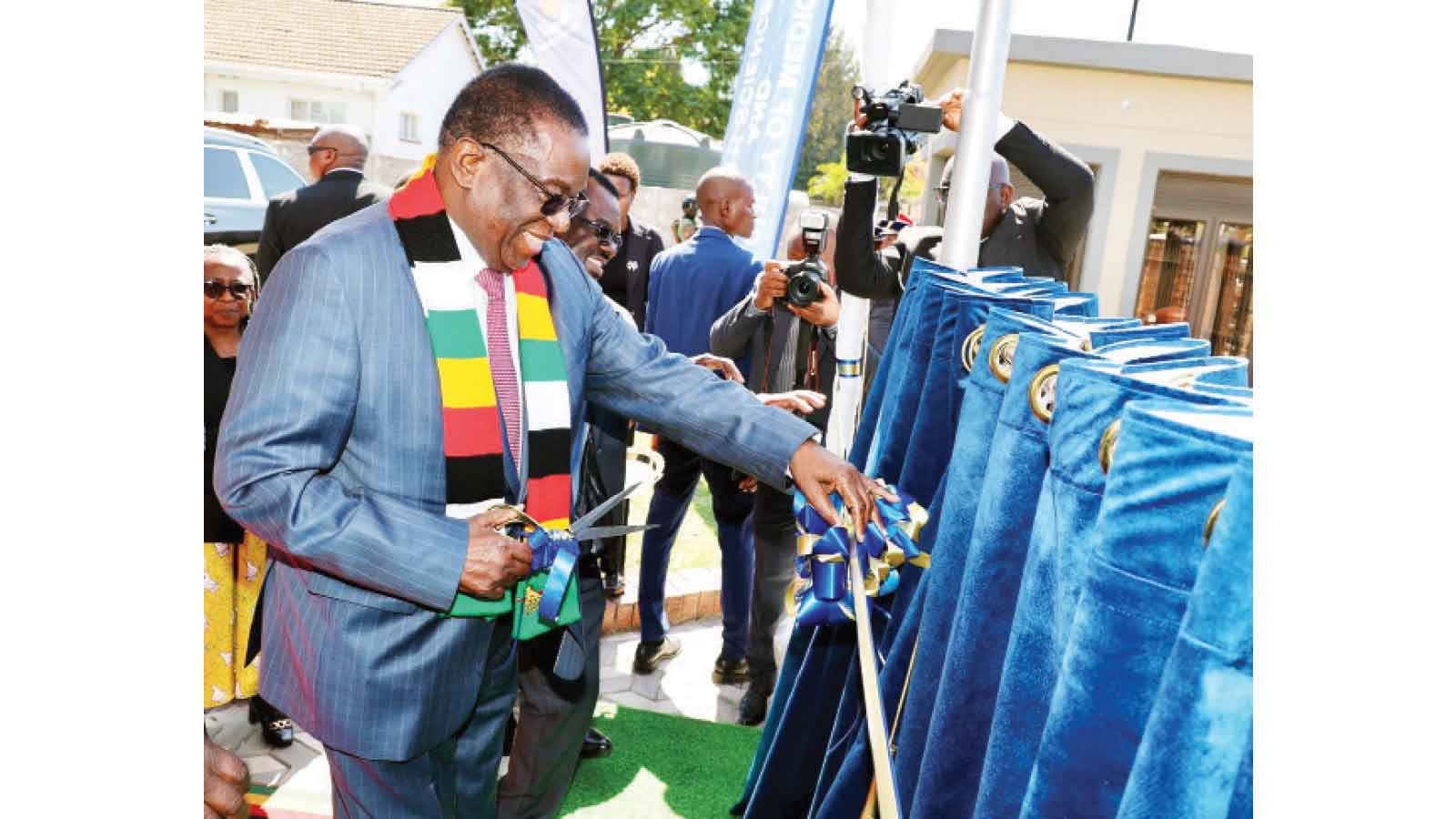
Our people deserve better, says President‘. . . health sector cartels inflate prices, prejudice patients’ . . . opens industrial incubation centre, medical facility
Zvamaida Murwira Senior Reporter PRESIDENT Mnangagwa has hit out at unscrupulous businesspersons in the health sector who operate as cartels and syndicates to inflate costs of goods and services for…