Online Reporter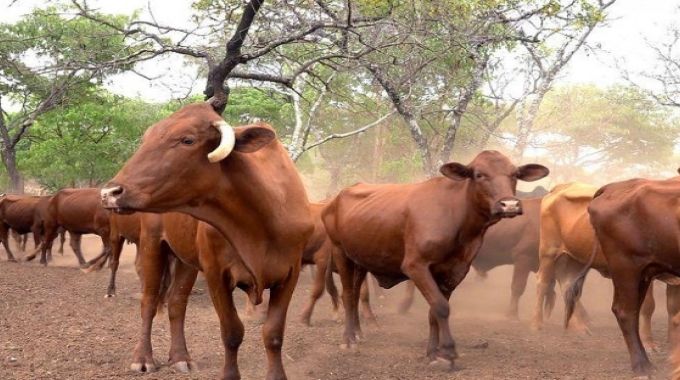
Elita Chikwati Agriculture News Editor
THE Government has approved the resumption of cattle auctions for direct slaughter following requests from farmers and stakeholders in previously Foot and Mouth Disease (FMD)-affected areas of Matabeleland North, Matabeleland South and parts of Mashonaland East.
The move will see the Zimbabwe International Trade Fair (ZITF) pens reopening for sales after eight years.
Cattle sales had been banned in Matabeleland North and South and Mt Hampden CC Sales following FMD outbreaks.
The Agriculture Mechanisation and Water Resources Development Ministry took the decision to facilitate livestock marketing while maintaining strict animal health safeguards.
The ZITF cattle sales were officially opened on Wednesday by Matabeleland North veterinary director Dr Sithokozile Sibanda.
This marked an important step in restoring livestock marketing opportunities for farmers while ensuring compliance with animal health regulations.
Chief Director of Veterinary Services Dr Pious Makaya said the Directorate of Veterinary Services (DVS) remained committed to balancing livestock trade opportunities with the protection of Zimbabwe’s animal health status and the sustainability of the livestock sector.
“To protect the national herd and prevent the spread of trans-boundary animal diseases, all cattle presented for auction must comply with stringent veterinary requirements, including certification by Government Veterinary Services confirming freedom from notifiable diseases, including FMD,” he said.
Dr Makaya said inter-provincial cattle movements should be communicated to the DVS at least two weeks before cattle transportation to ZITF and Mt Hampden sale pens for auctioning.
“The farm/property wishing to send cattle to sale pens for direct slaughter should be certified free from notifiable diseases of economic importance, including FMD, by a State veterinarian according to established inspection procedures documented in the Animal Health Act and recommended by the World Organisation for Animal Health (WOАН)” said Dr Makaya.
He said cattle should come from a property/farm where quarantine restrictions had been lifted by the DVS and had not recorded new FMD clinical cases 28 days following the observation of healed FMD lesions.
“Cattle are to be inspected, mouthed and branded with “S” brand for direct slaughter and should be tracked by veterinary personnel or police in transit from source till arrival at the sale pens.
“Biosecurity measures, which include wheel and foot baths, should be established at ZITF and Mt Hampden CC Sale Pens. All animals will be inspected by DVS personnel before off-loading and during off-loading, focusing on the availability of the S branding and mouthing to check for fresh FMD lesions,” he said.
According to the DVS, inspection procedures at the ZITF and Mt Hampden CC Sale will be at the expense of the auctioneer and sales shall be done once a month at both Sale pens.
“Any sale may be subject to cancellation in the case of any animal disease event or outbreak in and around the respective sale pens,” he said.
Dr Makaya encouraged farmers and livestock traders to work closely with their local veterinary offices and comply fully with all movement control and disease prevention measures.
“Together, we can promote safe livestock marketing while safeguarding our national herd,” he said.
FMD is a notifiable disease which was officially monitored, prevented and controlled through a Government programme.
Government has been strengthening FMD control programmes including vaccinations and awareness campaigns in farming areas.
The internationally listed disease affects the economies of countries depending on cattle and pig industry.
Affected animals fail to eat due to the pain of the sores in their mouths. Young calves may die from infection or because their mothers cannot feed them due to pain in their milk udders.
Milk yield also falls.
Countries experiencing FMD therefore suffer from trade embargoes limiting exports of even non-livestock products from affected areas.
Stakeholders in the livestock industry are strongly advised to comply with veterinary restrictions if the cattle economy is to revive successfully.
Zimbabwe’s livestock sector is valued at over US$2 billion, contributing about 20 percent to the agricultural gross domestic product (GDP).