Peter Tanyanyiwa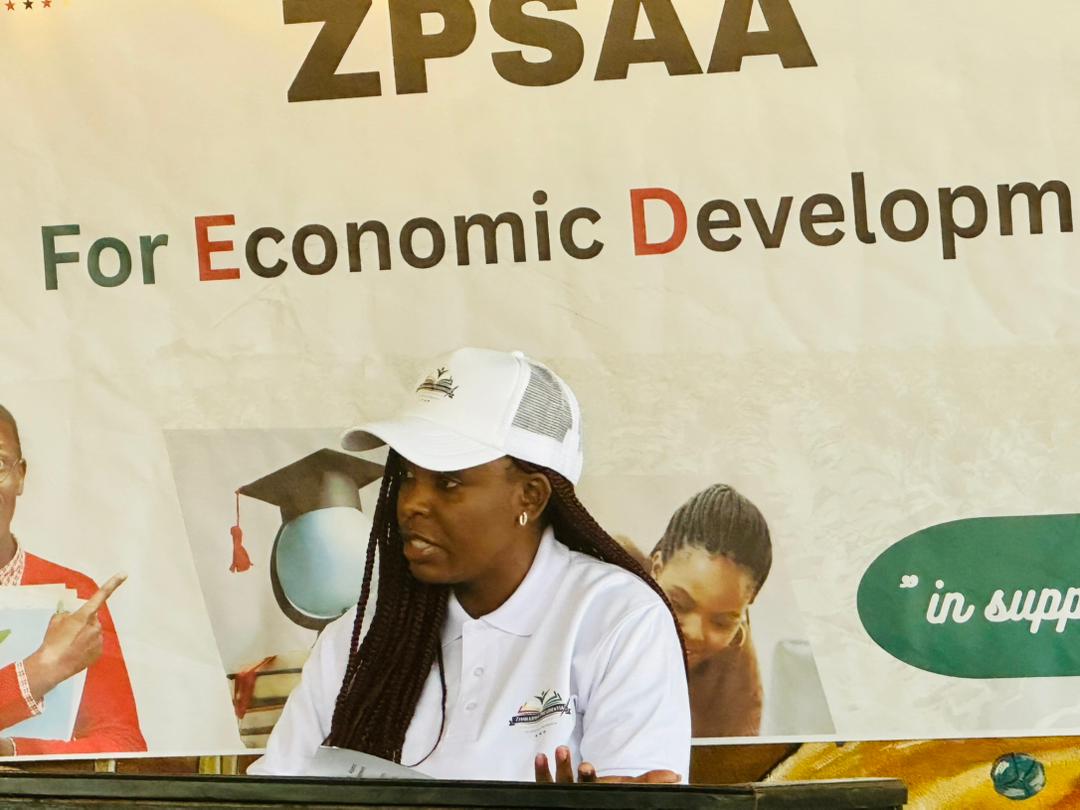
Peter Tanyanyiwa
Herald Correspondent
THE Zimbabwe Presidential Scholarship Alumni Association for Economic Development (ZPSAA) has thrown its weight behind Constitutional Amendment Bill No. 3, describing it as a strategic policy instrument designed to accelerate national development through enhanced governance stability and long-term planning.
Speaking at a Press conference in Harare, ZPSAA leaders said the proposed extension of the Presidential term from five to seven years was critical in enabling the full implementation of transformative national programmes aligned with Vision 2030.
ZPSAA chairperson, Mr Roncemore Mhlanga, said the association, which represents beneficiaries of the Presidential Scholarship programme, viewed the amendment as a necessary step towards consolidating gains made under the Second Republic.
“As beneficiaries of a visionary empowerment programme, we have witnessed first-hand the Government’s commitment to human capital development and economic transformation,” said Mr Mhlanga.
“The proposal to extend the Presidential term to seven years is anchored on the need to ensure policy continuity, institutional stability and sufficient time to implement long-term development strategies that can uplift our nation.”
He said Zimbabwe’s development trajectory required consistency in leadership to drive complex economic reforms and infrastructure modernisation without disruption from frequent electoral cycles.
Mr Mhlanga noted that international experience showed that extended presidential terms were not uncommon and had enabled countries to implement large-scale development initiatives successfully.
“In countries such as Azerbaijan and Egypt, longer terms have facilitated the completion of major infrastructure projects and strengthened economic growth. Zimbabwe must equally adopt governance frameworks that support its unique development needs,” he said.
ZPSAA vice chairperson, Dr Limukani Mathe, said the association’s position was informed by empirical evidence linking electoral cycles in emerging economies to fiscal instability and reduced investor confidence.
“Elections, while central to democracy, come with significant economic costs. Studies show that election periods often result in increased fiscal deficits, reduced revenue performance and weakened capital inflows,” said Dr Mathe.
“In Zimbabwe’s case, the 2023 harmonised elections required substantial financial resources that could otherwise have been channelled towards critical sectors such as infrastructure, health and education.”
He said the proposed amendment would help reduce the frequency of such fiscal pressures while creating a more predictable policy environment attractive to both domestic and international investors.
Dr Mathe added that the National Development Strategy 2 (2026–2030) required a stable governance framework to achieve its targets, which include macroeconomic stability, inclusive growth, innovation and food security.
ZPSAA Secretary for Information and Publicity, Ms Molyne Tariro Karimunhenga, said the association supported the ongoing parliamentary process, noting that it was consistent with Zimbabwe’s constitutional provisions.
“Parliament is constitutionally mandated to process amendments, and the recent public hearings demonstrated a commitment to participatory governance,” she said.
“Zimbabweans from all walks of life were given an opportunity to express their views in an orderly and inclusive manner, which reflects the strength of our democratic processes.”
Ms Karimunhenga said calls for a referendum should be weighed against the economic realities facing the country, particularly the cost implications.
“As young professionals and scholars, we believe the national discourse must be anchored on evidence-based outcomes. The focus should be on how best to reduce the cost of governance and unlock sustainable economic growth,” she said.
She added that Zimbabwe’s constitutional history had, at critical junctures, relied on parliamentary processes and national consensus to achieve stability and progress.
“The Lancaster House Agreement at independence, the 1987 constitutional amendments and the 2009 Global Political Agreement all demonstrate that Parliament and political consensus can effectively guide national transformation,” she said.
The ZPSAA leadership also highlighted the broader impact of Government empowerment initiatives, noting that many Zimbabweans, including youths, had transitioned into the middle class through expanded economic opportunities.
“Our country is witnessing the rise of indigenous entrepreneurs and professionals across key sectors. This progress must be safeguarded through policies that ensure continuity and sustained implementation,” said Mr Mhlanga.
He said the association would continue to contribute to national discourse through research and policy advocacy under its think-tank initiative, Harare Opinion.
“As scholars, our responsibility is to elevate the debate beyond politics and focus on development outcomes that benefit all Zimbabweans,” he said.
The association reiterated that the ultimate goal of the proposed amendment was to strengthen governance systems capable of delivering prosperity, stability and inclusive growth.
“The question before us is not merely about governance, but about how our constitutional framework can support economic transformation and intergenerational prosperity,” said Dr Mathe.
ZPSAA urged stakeholders across the political divide to prioritise national development and support reforms aimed at building a resilient and prosperous Zimbabwe.


 Online Reporter