admin
admintotal collapse.
Yesterday, Zupco advertised the post in the local media, and this may end the tenure of Mr Nelson Kangausaru, who has been acting chief executive since the departure of Mr Morris Sakabuya.
Mr Kangausaru has been doubling as CEO and deputy chairman of the company.
Zupco is among the State enterprises that require urgent recapitalisation. Recently, board chairperson Professor Chipo Dyanda told the Parliamentary Portfolio Committee on Local Government that the public transporter was saddled with debts amounting to US$6,4 million. Zupco falls under the Ministry of Local Government, Urban and Rural Development.
Professor Dyanda said the decline in revenue was largely due to a depleted fleet.
In 2009, Zupco had 400 buses and collected revenue of US$1,4 million, but within a year it had only 50 buses while revenue had fallen to only US$200 000. The decline in revenue resulted in the company failing to pay salaries and packages for retrenched workers.
Professor Dyanda also told parliamentarians that the company required the shareholder to help recapitalise the business “because the pace at which we are doing business is slow. We also want support from the shareholder to be able to repay retrenched workers as they have done with other parastatals facing problems.”
Last year, Zupco laid off 362 workers and more than US$2 million is required to pay retrenched employees. However, the lawmakers felt there were some irregularities in the manner the Zupco board had handled business, including issues to do with conflict of interest where Mr Kangausaru is also a board member.


Online Reporter
- Herald
- September 24, 2026
- 6 views
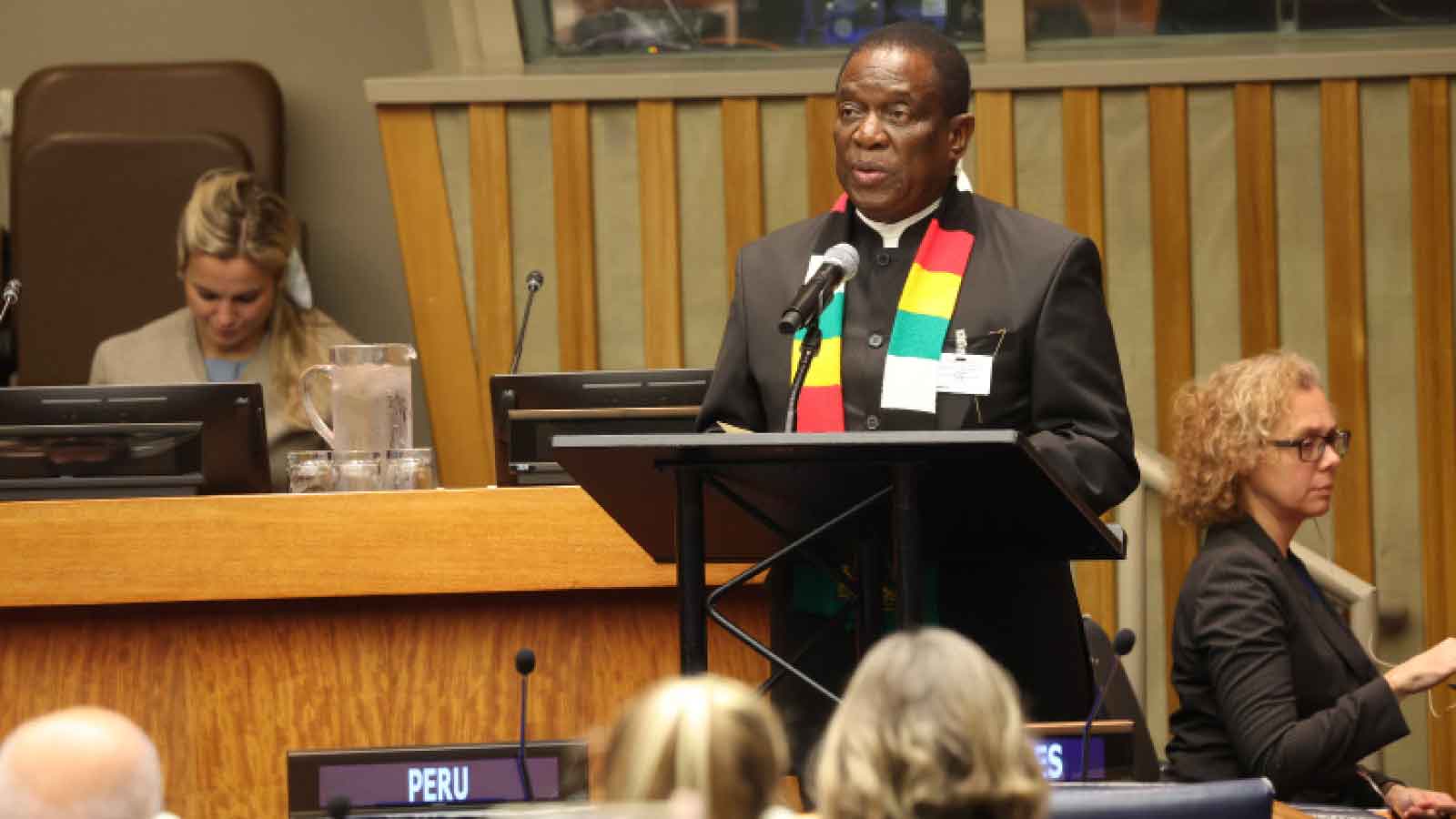
‘No to global inequalities’ . . . Development a basic human right for all, says President
Wallace Ruzvidzo in NEW YORK, USA DEVELOPMENT acquires its fullest meaning when every person and nation has a genuine opportunity to shape their course and share the benefits, President Mnangagwa…