Online Reporter
Africa Moyo, Harare Bureau
THE amount of ZWG circulating in the market matches the Government’s aspirations for durable currency stability desired by consumers, Finance, Economic Development and Investment Promotion Minister, Professor Mthuli Ncube has said, defending the Treasury and the central bank’s tight fiscal and monetary policy positions.
This follows concerns by some members of the transacting public and industrialists about the alleged shortage of the ZWG, which they claim is affecting the economy.
Some critics say the ZWG shortages have resulted in an “artificial inflation level”, which would rise if more local currency became available on the market.
The domestic currency monthly inflation rate matched the US dollar rate in January, following a spike driven by increases in rentals.
In January 2025, Zimbabwe’s month-on-month inflation rate in ZWG terms surged to 105 percent, a significant increase from the previous month’s 3,7 percent, compared to the 11,5 percent rate for the US dollar monthly inflation rate.
The ZiG monthly inflation rate came in at 0,5 percent in February and remains well below the 5 percent monthly range set by the Treasury.
In an exclusive interview, Prof Ncube said that Zimbabwe’s low inflation trajectory was “not artificial”.
“Inflation is what it is. But also the accusation is that there’s no money in the market. That is what is called a tight monetary policy; that is actually the technical definition,” he said.
“So, right now, we have a policy that is tight in order to manage inflation in the first place. That is the objective; so it’s not artificial.”
A tight monetary policy, also known as contractionary monetary policy, is a strategy used by a central bank to limit the amount of money available in the economy and may include raising interest rates, to curb inflation and speculative borrowing.
“The level of inflation is commensurate with the ZWG money supply that is at hand, and it is appropriate that the Reserve Bank is conducting such tight monetary policy.
“That monetary policy is complemented, also, by a tight fiscal policy because what you don’t want is for Government spending to run away, getting out of control to a point where we have to monetise that excess budget deficit.”
Doing that would drive the money supply and cause inflation, pushing prices of most products beyond the reach of many.
A tight fiscal policy involves a government making sure it lives within its means, that all current spending and the capital spending on social services come out of taxes, and only capital spending that produces an instant flow of extra money to repay a loan can be supported by borrowing. This means that the Government does not create money and thus feeds inflation.
Prof Ncube said a tight fiscal policy and a tight monetary policy went hand in hand.
“That is what we have right now and that is why the ZiG is stable in the first place. The economy and citizens have been crying out for a stable macroeconomic environment and that is what we are delivering right now. So people should be pleased that at least, we are delivering what is expected of us as the economic policymakers.
“They demanded stability; it allows them to plan, it gives our domestic currency, ZWG, value. You can now save in it, you can transact in it, you restore value characteristics,” said Prof Ncube.
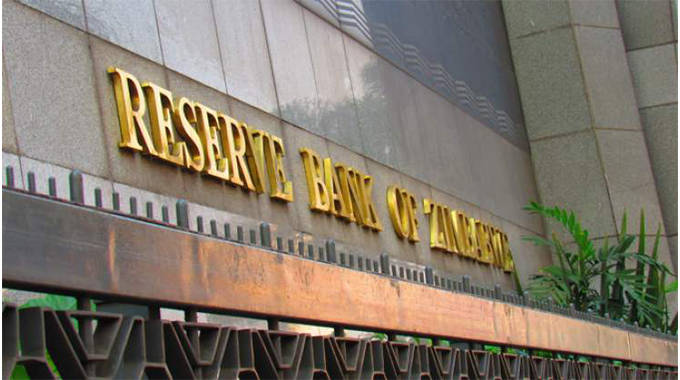
Zimbabwe’s monetary policy focuses on maintaining a tight stance, backing the Treasury’s tight fiscal stance, to stabilise the ZWG and curb inflation, with the Reserve Bank of Zimbabwe aiming to ensure all ZWG in circulation are well-covered by foreign currency reserves.
ZWG is backed by gold and foreign reserves.
The RBZ’s gold and foreign reserves accumulation strategy in 2024 has resulted in its gold holdings increasing from 1,5 tonnes to 2,7 tonnes.
The monetary value of gold and foreign currencies ended last year at over US$500 million US dollars, which is more than three times cover for ZWG in circulation.

In its Strategy Plan (2025-2029), the RBZ exclusively focuses on its core mandate of maintaining price and financial stability, which is aligned to the “Back-to-Basics” thrust aimed at balancing “Confidence-Trust-Credibility-Efficiency-Stability-Growth” outcomes.