Vusumuzi Dube
Zvamaida Murwira
MORE than 10 000 teachers and lecturers will be trained annually in artificial intelligence and digital literacy, in a partnership that involves Government and the United Arab Emirates (UAE).
Zimbabwe will partner with the UAE on solar energy and digital education, as part of broader efforts to accelerate industrialisation and modernisation.
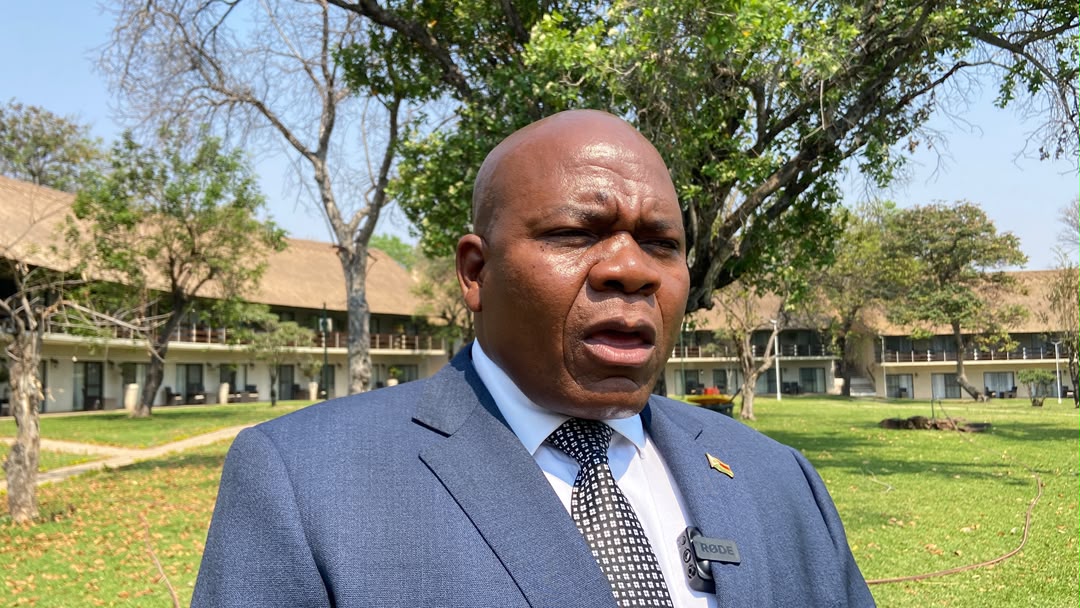
This was said by Information, Publicity and Broadcasting Services Minister, Dr Jenfan Muswere, while delivering a post-Cabinet briefing held in Harare yesterday.
Dr Muswere said the Cabinet received and noted a report on the Innovation Africa Summit of Ministers of Education, Information Communication and Technology and Skills, which was held in Addis Ababa, Ethiopia, last month.
He said the summit, established in 2012, drew Governments, private sector leaders and development partners to align strategies for transformative education and training systems and was held under the theme “Educate an African Fit for the 21st Century”, building on the African Union’s 2024 mandate to foster resilient, inclusive and digitally enabled education systems.
“As a way forward, the Government of Zimbabwe will partner with the Digital Schools and Global Skilling Academies of the United Arab Emirates to harness the potential of solar energy, digital education, skills development, and public-private community partnerships, to drive inclusive growth in Zimbabwe’s rural communities. Additionally, the Government of Zimbabwe will further strengthen Competence-Based Education and Training reforms,” said Dr Muswere.
“More than 10 000 teachers and lecturers will receive annual training in artificial intelligence and digital literacy. To promote inclusivity in Science, Technology, Engineering, and Mathematics (Stem) education, the Government will leverage the One Laptop per Child initiative’s subsidised model. This strategic partnership aims to provide affordable access to digital learning tools, bridging the gap between urban and rural areas and empowering students with the skills and knowledge necessary to thrive in a rapidly evolving technological landscape.”
Dr Muswere said the Government will make a deliberate effort to promote Stem, particularly for women and girls, to ensure access to equal opportunities.
“Furthermore, concerted efforts will be made to promote Stem inclusivity for women and girls, ensuring they access equal opportunities to pursue careers in science, technology, engineering and mathematics. The strategy will empower women and girls to take up leadership roles in these critical areas,” said Dr Muswere.
“Notably, the Government will establish more ICT manufacturing hubs as part of the SADC Industrialisation initiative, while also integrating hydrogen energy and solar-powered technologies into the innovation pillars of the National Development Strategy 2 (NDS2). The strategic move aims to drive industrial growth, promote sustainable energy solutions, and foster innovation in key sectors.”
The objective of the Summit was to address Africa’s education gaps through public-private partnerships, and the focus areas included digital transformation, teacher development, equitable access and alignment with the African Union Agenda 2063, Sustainable Development Goal Four (SDG 4) and the Continental Education Strategy for Africa (2016-2025).


 Online Reporter