

 admin
admin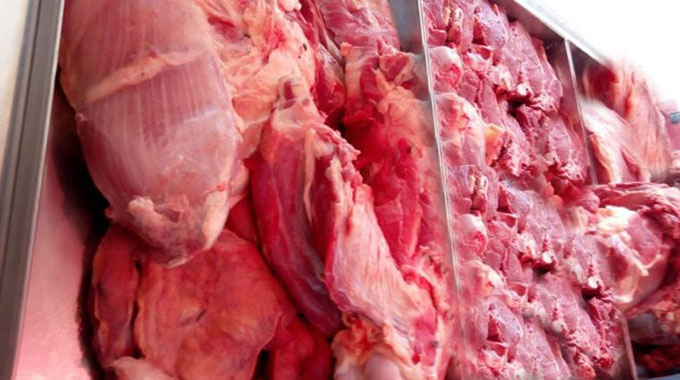
Precious Manomano-Herald Reporter
At least 111 butcheries have been closed for breaching public health laws after the Veterinary Department, in collaboration with the police and Ministry of Health and Child Care, intensified “Operation Nyama Yabvepi” to curb the selling of uninspected meat and ensure that no stolen or sick animals are accepted for slaughter.
The operation was launched on 21 December last year and was supposed to end on 31 January, but was extended to deal with rising stock theft, and to ensure that only meat products that had been inspected and certified unconditionally fit for human consumption were put on the market.
The programme help to curb stock theft, which is largely driven by the markets supplied by restaurants and butcheries who connive with the thieves or skip the required checks.
Of the 409 butcheries inspected, 111 were closed for failing to meet the requirements.
Over 2,8 tonnes of meat have been confiscated and destroyed.
Acting deputy director of Veterinary Field Services Dr Reverend Spargo encouraged farmers to build their kraals close to their homesteads, as well as to establish village anti-stock theft committees.
It was a criminal offence for any meat outlet to sell or display for sale meat that has not been processed in a registered slaughterhouse, and inspected and certified as fit for human consumption.
“The Department of Veterinary Services is strengthening its animal branding and livestock identification and traceability systems, with the Ministry having distributed computers and tablets for the majority of its members as part of this system,” said Dr Spargo.
“There is a recent spike in stock theft cases where stock thieves are slaughtering livestock in kraals and in the bushes by night, and taking the meat to sell in high density suburbs where the product is in high demand owing to its low selling price.”
Head of police anti-stock theft unit, Assistant Commissioner Ezekiel Munengerwa, urged people to cooperate in reducing stock theft.
He said people should not allow their cattle to graze unattended since some may stray, ending up in the hands of thieves.
“Employ people who have been vetted, pay them all their amounts because they will end up being perpetrators,” said Asst Comm Munengerwa. “Criminals are there; we live with them, hence cooperation is needed because police alone cannot fight this battle. Let’s work together to combat the battle.
Asst Comm Munengerwa said people should seek animal carcass movement permits when moving with meat, urging people to seek clearance from the police whenever they were moving with meat.
He urged people to operate their businesses legally, avoiding illegal food outlets.
Asst Comm Munengerwa said branding was crucial as it provided identity which was crucial in traceability.
Anti-stock theft livestock committees were crucial in safeguarding cattle from rustlers, he said.
The Department of Veterinary Services has the mandate to ensure safe and wholesome food of animal origin through the inspection of livestock at farms or dip tanks of origin, with permits only issued for the movement of healthy animals.



 Online Reporter