Chronicle Editor
Thupeyo Muleya, Beitbridge Bureau
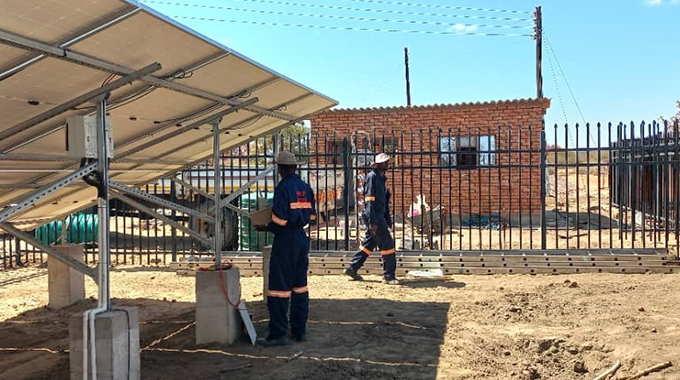
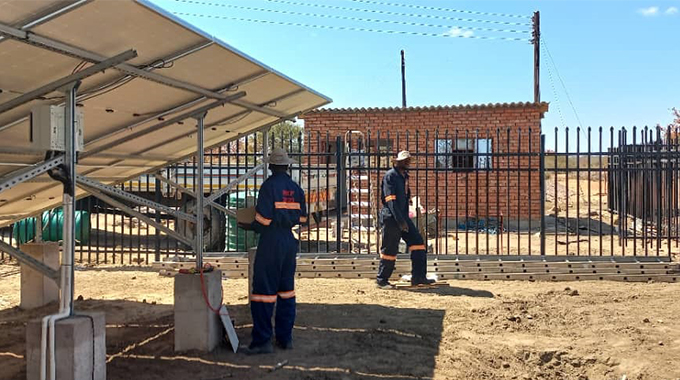
THE completion of the 120 kilowatts solar grid project in the Tshitulipasi area, some 100km east of the Beitbridge Border Post is set to accelerate rural electrification and transformation programme.
The plant, which is almost complete has connected the local business centre, more than 40 homesteads, public institutions — one clinic, one primary school, a police station, Government sub offices and community boreholes.
It is being implemented by the Rural Electrification Agency (REA), since its inception in 2005, the parastatal has completed 182 public projects in Beitbridge.
The initiative has been carried out in line with the National Energy Policy (NEP) that was launched in October 2012.
Prior to the latest development, the area under Ward One of Beitbridge District had been without electricity for over three decades.
“This is a good development for us. It’s in line with the ongoing rural transformation programme that is being rolled out by our Government,” said Ward One councillor, Alderman Enock Ndou.
“Now that there is electricity, we expect to see improved service delivery in the education sector considering that the setting up of science laboratories has become an elusive dream.
“In addition, small to medium projects, especially those relying on electricity will be able to function properly and grow in numbers at the business centres, which have been electrified.”
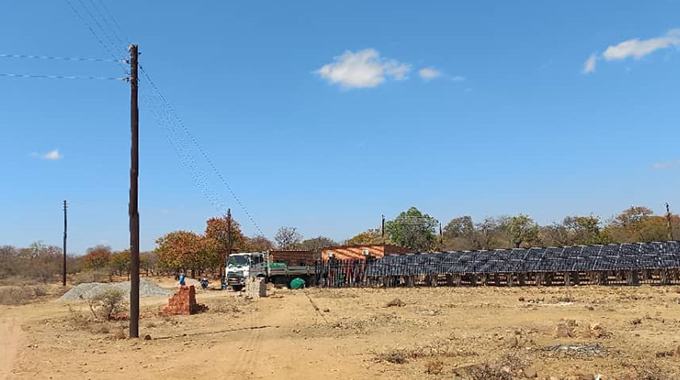
Ald Ndou said the community was excited about the new development, adding that they were already working on a robust plan to secure the solar plant located a few metres from Tshitulipasi business centre.
A villager from the Peters Area, which is serviced by the same business centre, Mr Tshikani Obvious Khosa, said he was impressed by the rate at which the electrification project had been implemented.
He said some villagers were expecting to use the electricity to carry out small home industries and horticulture projects to improve their incomes at household level.
“The connection of the local school, police station, Government sub office and homesteads to electricity will gradually contribute to the envisaged rural transformation,” said Mr Khosa.
“As a community, we appreciate this gesture by our Government considering that this area had not been connected to the national electricity grid for a long time.”
He said the number of school drop-outs at Tshitulipasi Primary School is expected to drop since a school with electricity is child friendly.
A villager identified only as Mrs Chauke said she was happy that the girl child in the area now has an opportunity to learn computer-related subjects and acquire basic skills due to the availability of electricity at the local primary school.
“This is a milestone development in our district,” said acting District Development Co-ordinator, Mr Jahson Mugodzwa.
“You will note that electricity improves social life and we are looking forward to improved food security as the farmers will be able to use solar energy for water abstraction and irrigation purposes.
“In addition, there will also be a reduction in the cutting of trees for firewood, as more homesteads get connected to solar energy. At the same time, we anticipate to see more infrastructural development in terms of the increase in social services shops, hardware, small to medium enterprises, among others, with electricity now available,” he added.
Beitbridge East legislator, Cde Albert Nguluvhe lauded the Government for walking the talk when it came to spreading developmental projects across the country.
“This is in line with the President’s philosophy of leaving no one and no place behind on developmental matters. We expect to see an improved economic growth in Ward One where the business centre and a lot of critical institutions have been connected to electricity,” said Cde Nguluvhe.



 Online Reporter