Online Reporter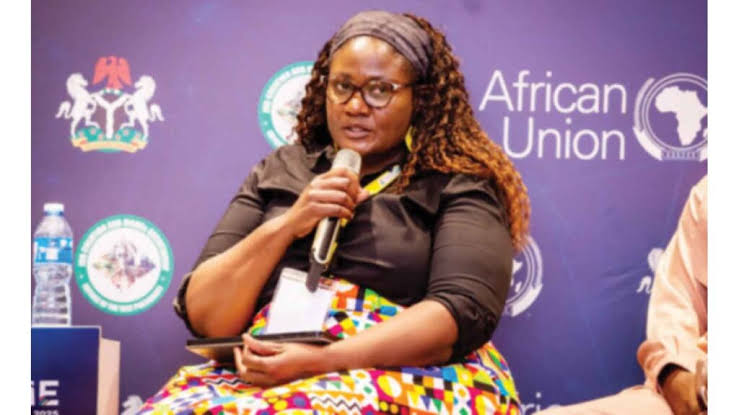
Conrad Mupesa
Mashonaland West Bureau
TWENTY-EIGHT Zimbabwean women involved in gemstone mining are undergoing specialised cutting and polishing training in Ndola, Zambia, in a Government-backed initiative whose aim is to strengthen mineral beneficiation and increase earnings from the country’s gemstone sector.
The month-long training programme, being held at the Gemstone Processing and Lapidary Training Centre (GPLTC), has been facilitated through the Minerals Marketing Corporation of Zimbabwe (MMCZ), which sponsored the participants’ transport and related costs.
The beneficiaries are learning different methods of cutting and polishing stones, including tumbling, faceting, cabochons and bead making.
The programme comes as the Government intensifies efforts to move beyond exporting raw minerals towards value addition and beneficiation, in line with its drive to maximise returns from Zimbabwe’s vast mineral resources.
Twenty-one of the participants are members of the Women in Gemstones Association of Zimbabwe (WIGAZ), drawn from Bulawayo, Marondera, Mazowe, Mutoko, Hurungwe, Harare and Shurugwi.
The training partnership grew out of links established during the African union African Minerals Development Centre Africa Gems and Jewellery Exhibition and Conference held in 2023.
Participants are receiving practical and technical instruction covering the entire gemstone value chain, including gemmology and gemstone identification, sorting and grading, cabochon making, bead making, tumbling, faceting using computer-aided design and precision machines, as well as jewellery manufacturing.
WIGAZ chairperson Ms Ruvimbo Kadenhe said the programme would enable women miners to extract greater value from gemstones while creating sustainable businesses and employment opportunities.
She said through the Women in Gemstones Association of Zimbabwe, she intends to share the knowledge gained by training other women and youth in gemstone identification, lapidary, jewellery making and entrepreneurship.
“This training also equips us to establish lapidary and jewellery production centres that support artisanal miners with value addition services, helping them receive better prices for their gemstones while improving quality and market competitiveness,” she said.
“By producing world-class Zimbabwean gemstones and jewellery, we can access regional and international markets, attract investment, strengthen tourism through locally crafted gemstone products and promote the ‘Made in Zimbabwe’ brand. One day we hope to have our very own gemstone cut that is unique to Zimbabwe.”
She noted that building local skills would empower communities, create sustainable livelihoods and encourage greater participation of women in the mining and manufacturing sectors.
Young beneficiary Ms Aminah Dhlovu of Bulawayo said she intended to use the acquired skills to empower fellow miners after returning home.
“After acquiring these skills, I plan to go back home and share the knowledge with other young miners. I also intend to start my own gemstone cutting and polishing workshop and work with others as a group to add value to our minerals and create jobs,” she said.
Another participant, Ms Portia Mostert from Shurugwi, said the workshop was exposing participants to modern gemstone identification and processing techniques that significantly increase the value of gemstones.
“I see myself contributing to the economy by making jewellery such as rings, pendants, bracelets and earrings from gemstones and selling them locally before eventually exporting,” she said.
“I will also provide gemstone cutting and polishing services and transfer these skills to other miners so they can add value to their gemstones and start their own businesses.”
Speaking recently on the sidelines of the Ministry of Mines and Mining Development Mid-Term Performance Review and Second Half Reset Workshop in Kadoma, Mines and Mining Development Minister Dr Engineer Polite Kambamura said Zimbabwe had made significant progress in mineral production and exports, with the next major focus being beneficiation.
“Zimbabwe’s total mineral export earnings, including gold, reached approximately US$5.73 billion in the first half of 2026,” he said.
“Excluding gold and silver, mineral exports rose by 84,7 per cent from the corresponding period last year. We are moving away from exporting high volumes of low value towards exporting smaller volumes of high value.
“A mineral buried beneath the ground is not yet wealth; it is potential. Ore brought to the surface is not yet industrialisation; it is an opportunity.
“Beneficiation must be understood as a ladder running from raw ore through concentration, smelting, refining and chemical conversion to component manufacture and finished products. We must not confuse the first rung with the destination.”
The training is expected to strengthen Zimbabwe’s gemstone value chain by equipping women miners with specialised processing skills that will improve product quality, boost export earnings and create employment through local jewellery manufacturing.
The country also banned the exportation of raw lithium concentrate, a move which is going to see Zimbabwe claim a share in the production of lithium-ion batteries needed for solar and electric vehicles.