admin
admin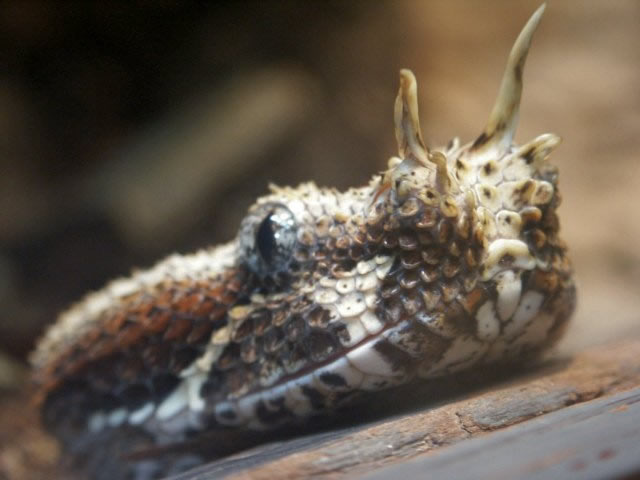
Trust Freddy Herald Correspondent
THE Ministry of Health and Child Care has revealed that 180 cases of snake bites were recorded across the country in the space of one week, while 707 snake bite cases have been reported, with three fatalities.
In a weekly disease surveillance report for the week ending February 4, no deaths were however, reported for the 180 bites.
For the 180 snakebite cases, no deaths were reported this week. The cumulative figures for snake bites (in 2023) are 707 cases and three deaths, the ministry said.
Recently, 12-year-old Rotary Mushoneka from Kapurira village in Mbire, died after a snake bite whilst on his way home from school.
Eight-year-old Grace Chiwara also died after being bitten by a snake while she was sleeping last week.
In Zimbabwe, the snake season lasts from September to March, when snakes become more active after a period of hibernation between April and August.
During this time, they are more likely to be seen in the wild and may venture into human settlements in search of food.
According to experts, snakebites show a classical seasonal variation, being more common in the rainy season (November to April).
The majority of snake species in Zimbabwe are not dangerous but some of them, particularly the black mamba and puff adder, can be deadly.
There are 80 different species of snake in Zimbabwe, 20 of which are considered dangerous, with six species accounting for 75 percent of fatal snake bites.
These are the black mamba, snouted cobra, Mozambique spitting cobra, puff adder, boomslang and gaboon viper.
People at high-risk of snake bites include agricultural workers, herders, fishermen and hunters, as well as people living in poorly built houses and those with limited access to healthcare.
The majority of snakes do not bite without provocation; most bites are inflicted when the snakes are inadvertently trodden upon.



 Online Reporter