Liberty Dube
Tourism Correspondent
ZIMBABWE tourism story in Manicaland — anchored by the breath-taking Eastern Highlands — is one of resilience, reinvention, and rising global recognition.
As the nation celebrates 46 years of independence, this verdant region has steadily transformed into a tourism bastion, embodying the country’s broader ambition to become one of Africa’s premier travel destinations.
The global spotlight has never shone brighter. When Forbes named Zimbabwe among the world’s best countries to visit in 2025, it affirmed what many seasoned travellers already knew that Zimbabwe is a destination of rare authenticity and raw beauty.
From the thunderous spectacle of Victoria Falls to the ancient grandeur of Great Zimbabwe Monument and the serene allure of the Eastern Highlands, the country offers a mosaic of rugged landscapes and deep ancestral heritage.
Since independence in 1980, Manicaland has undergone a profound tourism transformation.
Once a largely underdeveloped frontier, the Eastern Highlands have blossomed into a diverse and dynamic tourism hub.
Accommodation facilities have more than doubled, with lodges, boutique hotels, and eco-retreats upgraded to meet international standards.
This growth has enabled the region to host global events such as the Sanganai/Hlanganani/Kumbanayi World Tourism Expo, which was held in Manicaland for the first time — an unmistakable sign of confidence in the province’s infrastructure and appeal.
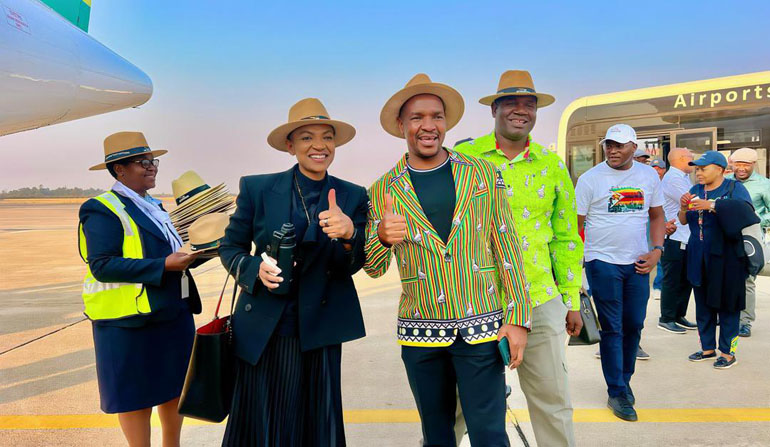
Accessibility has also improved significantly. The reopening and modernisation of Grand Reef Airport has reconnected the region to domestic air travel networks, while the reintroduction of passenger rail services by the National Railways of Zimbabwe has revived scenic journeys to Mutare, adding a nostalgic yet practical dimension to travel.
The Eastern Highlands are a sanctuary for nature lovers and adventure seekers. Towering peaks, rolling valleys, and cascading waterfalls define the landscape. Among its crown jewels is Mutarazi Falls, now complemented by a world-class zipline experience that has become one of the region’s most visited attractions. Nearby, sites like Nyachowa Falls, Nyangombe Falls, and Bridal Veil Falls are gaining popularity, offering tranquil escapes and photographic splendour.
The region’s protected areas are equally compelling.
Nyanga National Park, one of the country’s oldest reserves established in 1926, is a haven of biodiversity and serenity. Its sweeping landscapes, dotted with rivers and ancient ruins, evoke a timeless connection between humanity and nature.
The park’s cool climate and unpolluted air make it ideal for wellness tourism, attracting visitors seeking rejuvenation and inner peace.
Further south, the rugged beauty of the Chimanimani Mountains offers some of the best hiking and trekking experiences in Southern Africa. Meanwhile, the mystical Chirinda Forest — home to ancient trees and rare species — adds an ecological dimension that underscores the region’s commitment to conservation and eco-tourism.
Manicaland’s tourism appeal extends beyond its natural beauty to its rich cultural and historical tapestry. Heritage sites such as Dzapasi Ruins, Matendera Monument, Ziwa Ruins, and Niamara Ruins offer glimpses into pre-colonial civilisations and indigenous knowledge systems.
The Mutare Museum further enriches this narrative, showcasing archaeology, ethnology, and transport history.
Cultural tourism thrives here, with local traditions, cuisine, and crafts providing immersive experiences for visitors. Communities have increasingly become active participants in tourism, ensuring that economic benefits are shared while preserving cultural identity.
One of Manicaland’s most distinctive tourism segments is religious and pilgrimage tourism.
The province hosts some of the largest apostolic gatherings in the region.
The Johane Marange Apostolic Shrine in Mafararikwa, Marange draws thousands annually for the Passover Feast, while sacred prayer sites like the Chin’ando at Old Mutare and St Augustine’s Mission attract pilgrims year-round.
These gatherings, not only foster spiritual connection, but also significantly boost the local economy through hospitality, transport, and informal trade.
The Eastern Highlands have also positioned themselves as a leading destination for wellness tourism.
The rehabilitation of hot springs in Nyanyadzi has reintroduced therapeutic travel experiences, aligning with global trends toward health-focused tourism.
The region’s tranquil environment, fresh mountain air, and scenic beauty create an ideal setting for retreats, meditation, and low-intensity travel.
Leisure tourism continues to flourish, with scenic drives, golf courses, and family-friendly resorts complementing the adventure and eco-tourism offerings.
Business tourism (MICE) is also on the rise, supported by improved facilities and the successful hosting of national and international events. Zimbabwe’s tourism resurgence is not accidental—it is driven by strategic leadership and international engagement.
The appointment of Tourism and Hospitality Minister, Honourable Barbara Rwodzi as vice president of the UN Tourism General Assembly in 2025 marks a significant milestone.
This prestigious role places Zimbabwe at the centre of global tourism policymaking, providing a platform to advocate for sustainable tourism and showcase the nation’s diverse attractions.
Since assuming office in 2023, Minister Rwodzi has championed innovation, infrastructure development, and international partnerships.
Her leadership has accelerated the modernisation of tourism facilities and strengthened Zimbabwe’s global brand.
The transformation of the Eastern Highlands into a tourism giant is a testament to Zimbabwe’s broader vision: to harness its natural and cultural assets for sustainable economic growth.
From improved infrastructure and diversified tourism offerings to global recognition and strategic leadership, Manicaland exemplifies what is possible when vision meets execution.
As Zimbabwe celebrates 46 years of Independence, the Eastern Highlands stand not only as a symbol of national pride but also as a beacon of opportunity.
46 years On, Eastern Highlands emerge as tourism powerhouse