admin
admin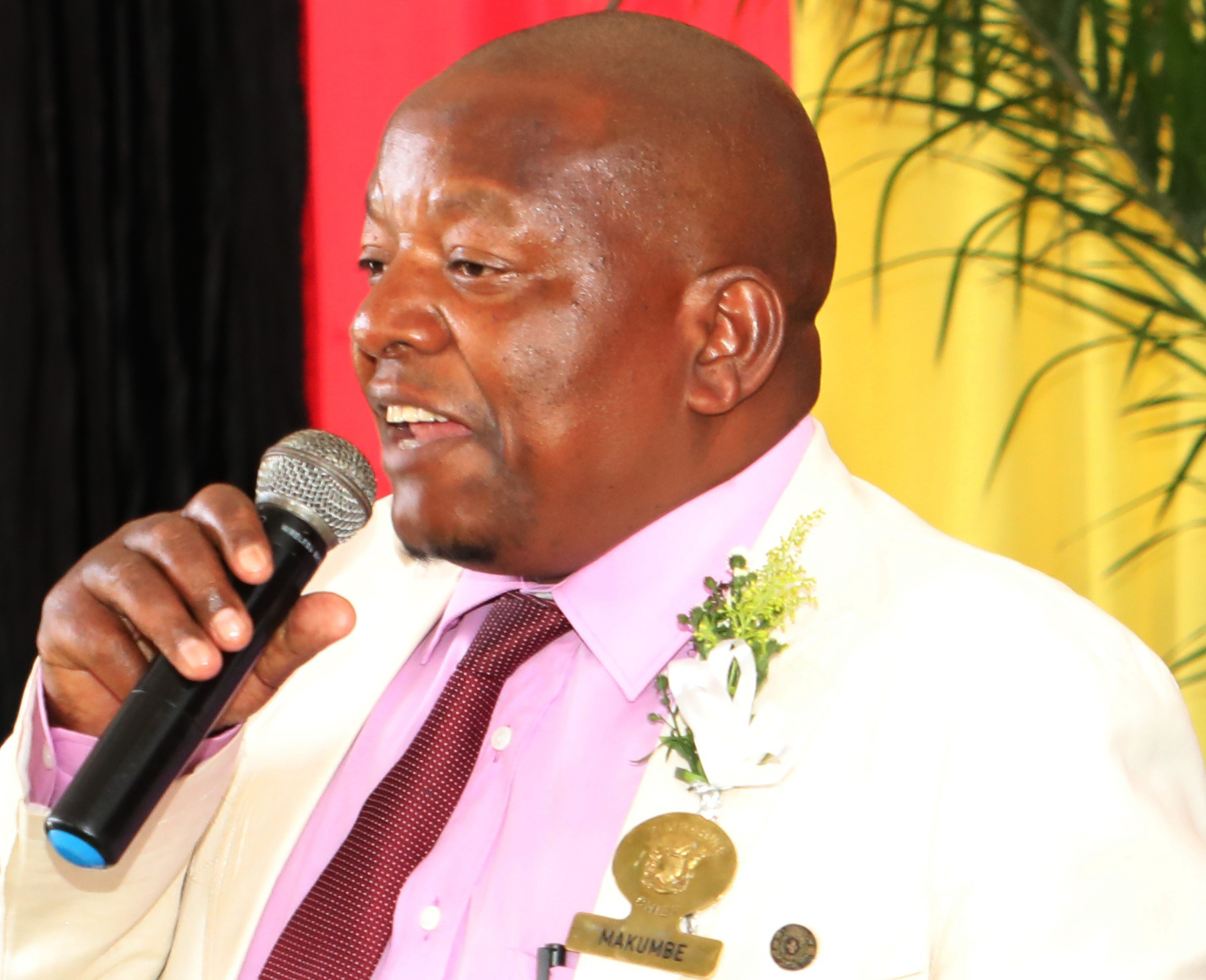
Ray Bande
Senior Reporter
TRADITIONAL leaders in Manicaland yesterday joined their counterparts from across the country in setting the tone for a peaceful and transparent election when they cast their ballots at Chief’s Hall in Mutare to choose their five provincial representatives in the Zimbabwe Chiefs’ Council.
A total of 19 substantive chiefs, out of the 33 chieftainships in Manicaland, cast their ballots.
Those elected will next Thursday join chiefs elected from other provinces in electing the Zimbabwe Chiefs’ Council leadership.
Chief Makumbe (Mr Shepherd Chengeta), Chief Mutasa (Mr James Kurauone Mutasa), Chief Mapungwana (Mr Aneas Mapungwana) and Chief Muusha (Mr Timothy Munyorowazvo) were elected unopposed.
The fifth slot saw Chief Chiduku, born Mr Rivai Mbaimbai, contesting against Chief Gwenzi, born Mr Daniel Gwenzi.
Chief Chiduku garnered six votes, while the winner, Chief Gwenzi, got 13 votes.
Zimbabwe Electoral Commission (ZEC) Manicaland provincial officer, Mr Thompson Tichaona Chewereweshe was the presiding officer.
Speaking at the end of the electoral process, acting Manicaland provincial director (Local Government Services and Administration), Mr John Misi thanked the traditional leaders for conducting the election in a peaceful manner.
“I really want to thank the participants in this election for their exhibition of maturity. This election will culminate in the election of the leadership of the Zimbabwe Chiefs’ Council on August 10 in Harare.
“This is in line with President Mnangagwa’s call for free and fair elections. I want to thank the traditional leaders for setting the tone for free and fair elections,” said Mr Misi.
The elections of the provincial Zimbabwe Chiefs’ Council, which marks the first stage of this year’s harmonised polls, saw an electoral college of substantive chiefs from all the country’s provinces electing 36 chiefs to be part of the Zimbabwe Chiefs’ Council.
Manicaland will have five council members, Mashonaland Central (four), Mashonaland East (four), Mashonaland West (five), Masvingo (five), Matebeleland North (five), Matebeleland South (four) and Midlands (five).



 Online Reporter