Online Reporter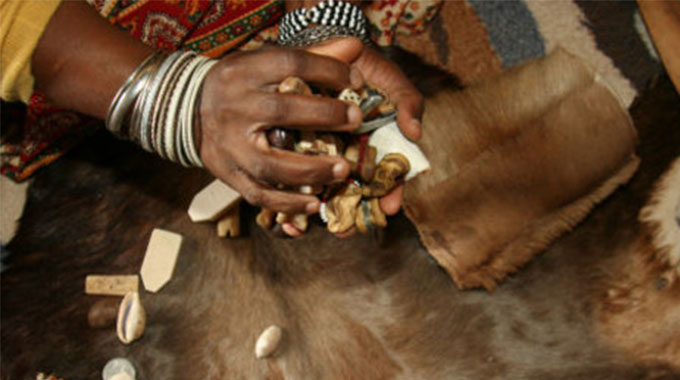
The Herald, 17 October 1992
OVER 500 traditional healers from all over Zimbabwe are meeting in Matonjeni today outside Bulawayo, to perform rituals meant to end the drought that Zimbabwe is currently experiencing.
The secretary-general of the Zimbabwe Traditional Healers Association, Cde Taurayi Matanhike, told The Herald yesterday that a group of 150 healers from the Harare area left for Matonjeni, and would be joined later by their colleagues.
“The reason we are having this drought is that we no longer perform the rituals that are required for the rain to fall. We are trying to save the land,” he said.
Zitha was formed by Dr Herbert Ushewokunze last year, as a breakaway group from the Zimbabwe National Traditional Healers Association.
Lessons for today:
A representative stated that the drought was due to the abandonment of traditional rituals. Hence Over 500 traditional healers gathered in Matonjeni, with the goal to perform rainmaking rituals to end the drought.
These beliefs indirectly link to Climate Change. While the traditional healers attribute drought to spiritual causes, their underlying concern, the disruption of natural balance, resonates with the scientific narrative of climate change. Both perspectives recognise that human actions can disrupt the environment, though they explain it differently.
Traditional practices like rainmaking rituals are deeply-rooted in cultural heritage and often reflect a community’s relationship with nature. While they may not align with scientific causality, they can still play a role in community cohesion, environmental stewardship, and resilience.
Rituals are more than symbolic, they shape how communities understand and interact with the environment. Reinforce the belief that nature responds to human behaviour and encourage collective responsibility for environmental care.
Often involve taboos against overharvesting, deforestation, or polluting sacred sites. Promote respect for natural forces and ecosystems. Foster intergenerational knowledge transfer. Can lead to protective practices (e.g., preserving sacred forests or rivers).
Even if not scientifically causal, these rituals can motivate sustainable behaviour and community cohesion, which are crucial for climate resilience. Rather than viewing traditional and scientific knowledge as opposites, many experts now advocate for integrated approaches.