admin
admin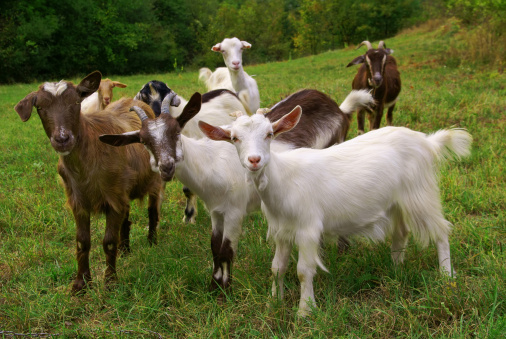
Luthando Mapepa
Chipinge Correspondent
AT least 500 households in Chipinge and Chimanimani who lost their livestock during the devastating March 2019 Cyclone Idai received 1 500 goats under the Zimbabwe Idai Recovery Project (ZIRP) early this week.
The project is funded by the World Bank and is implemented by Food and Agriculture Organisation (FAO).
Since the start of the programme, a total of 750 households have benefited, with each household receiving three goats each, bringing the total number to 2 250.
In an interview as the goats were being handed over to beneficiaries in Musiyandaka Village, Biriiri, Chimanimani Assistant FAO representative for programmes, Ms Constance Pepukai said the damage caused by the cyclone was immense, resulting in serious financial and material losses for many households.
Ms Pepukai said the goal of the programme is not only to restore what was lost, but to build back better and improve people’s lives.
“The goat restocking exercise is supporting 750 households that lost their livestock as a result of the cyclone.
“This programme will ensure improved goat production, improved income generating capacity and greater prospects for household dietary diversity.The farmers have received training and extension support to ensure good management and viability in goat production,” she said.
Ms Pepukai added that the programme also seeks to compliment Government’s efforts in implementing National Development Strategy (NDS1).
“We hope no one has been left behind, especially the vulnerable community members.
“We want them to attain better lives, nutrition and a better environment,” she said.
One of the beneficiaries, Mrs Mildred Makocho of Saurombe Village said the donation will go a long way in empowering the community.
“I used to own many goats, but after Cyclone Idai hit the area, all our livestock died. Rearing goats is one of our major sources of income, but we were left with nothing after the cyclone.
“We are starting afresh and we hope in the next few years our goats will increase in numbers and take us where we were before the cyclone. We also hope to double the livestock since we received training on effective goat rearing,” she said.
Speaking during the same event, Department of Veterinary Services’ Manicaland Provincial Chief Animal Inspector, Dr Roy Dube encouraged Chimanimani villagers to take goat farming seriously.
“Goat farming is suitable for the Chimanimani terrain as it does not require much land. The farmers should take this as a business because goats can give birth twice a year, they can breed fast. We have been encountering challenges of diseases, but with the training they received, we hope they will be able to sail through.
“We are urging farmers to detect diseases early and report to the veterinary officers on the ground,” said Dr Dube.



 Online Reporter