

 admin
admin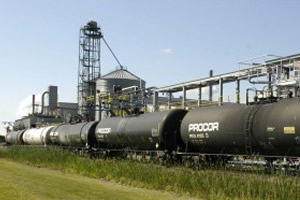
Zimbabwe will save at least US$72 million per year through petrol blending.
Secretary for Energy and Power Development Mr Justin Mupamhanga said: “The regulator, ZERA has issued a number of licences for petrol blending to such companies as Greenfuel and several others.
“While we have not been advised of any resistance by oil companies to blend their petrol, we are aware that some of them have not acquired the licences.”
Mr Mupamhanga said Government introduced petrol blending, which is common in many industrialised countries, to bring security of supply in the country.
“Ethanol blending would augment fuel imports in the country and since we would be using 10 percent ethanol, it would mean an equal amount of foreign currency saved.
“Although we are not yet at the E10 levels, we would be contributing significantly to improving our environment,” he said.
Mr Mupamhanga listed increased octane levels that enhance vehicle torque among the advantages of ethanol-blended petrol.
“Motorists should use the petrol blend as we have done enough tests and everyone, including the motor industry, has given this fuel a thumbs up,” he said.
Sources from the oil industry said motorists were yet to get enough education on the advantages of ethanol blending.
“There is speculation that the blend gets exhausted quickly, increasing the need to refuel regularly,” an official from a firm selling the blend said.
He urged the relevant authorities to increase awareness on the product.
Another official dismissed reports that there is resistance among fuel companies to introduce petrol blending in Zimbabwe.
“Most companies are going through trial phases of this commodity. The companies did not have storage facilities for the ethanol. Some of the companies that have introduced blended petrol have since acquired the storage facilities.
“The next stage for most of the companies is to invest in infrastructure to store the ethanol while also building the blending plants,” he said.
Ethanol production at Chisumbanje, a public-private partnership venture between Arda and its investors, has shown the potential for Zimbabwe’s economic recovery.
Government accorded the project a National Project Status and gazzetted Statutory Instrument 144 of 2011 to give legal guidance of the E10 product specification.
The ethanol plant currently produces 220 000 litres of ethanol per day and five megawatts of electricity.
The plant is, however, expected to produce, when complete, 700 000 litres of ethanol and 18 megawatts of electricity to be fed into the national grid.



 Online Reporter