admin
admin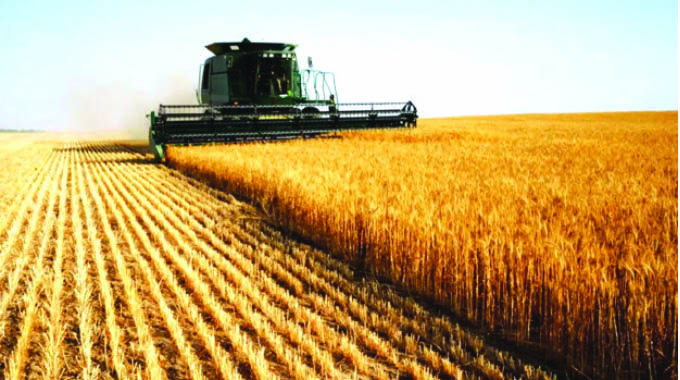
Elton Manguwo
THE expected record-breaking wheat harvest is being brought into GMB depots countrywide, with 428 000 tonnes already realised from the 90 000 hectares harvested so far, and farmers being urged to take advantage of sunny periods to bring in the rest.
In an interview, Lands, Agriculture, Fisheries, Water and Rural Development permanent secretary Professor Obert Jiri yesterday said farmers had so far harvested 428 000 tonnes from the first 90 000 hectares since the beginning of the harvesting in mid-September.
“By increasing domestic wheat output, we aim to increase food security and reduce reliance on grain imports, setting the stage for a more resilient and sustainable food system,” he said.
Government is moving to expedite the harvesting to enable farmers to prepare for the upcoming summer season.
“The early rains experienced recently saw an increase in moisture content in most wheat fields in Mashonaland provinces, which have the bulk of the winter wheat crop,” said Prof Jiri.
With the Meteorological Services Department forecasting a possible sun-break in the next few days, Government is urging farmers to speed up harvesting of the remaining crop. While rain dampened wheat can be damaged, generally the grain is fine so long as it dries in the field before being cut and harvested.
“Take advantage of the sunny intervals to continue with the harvesting process,” Prof Jiri said, emphasising the importance of using moments of clear weather to maximise efficiency in gathering crops.
“A successful harvest can provide the necessary resources to meet local consumption demands and also open doors for exports,” said Prof Jiri.
Government recently introduced a winter wheat-based food system aimed at enhancing food security and supporting local agriculture. The achieved harvest so far gives us confidence, as we are anticipating a substantial wheat harvest this season, with projections indicating a bumper output of 600 000 tonnes from the 121 000 hectares planted this year,” Prof Jiri said.
“As we progress, it is crucial to enhance our momentum and concentrate on optimising our resources and workforce to achieve our overall harvesting objectives.”
Prof Jiri challenged farmers to consult extension officers for advice on good harvesting practices thereby reducing post-harvest related losses.
“Weather plays a vital role in the success of the harvesting process. Dry sunny days are ideal for harvesting while wet conditions can lead to difficulties in accessing fields and may affect grain quality,” said Prof Jiri.



 Online Reporter