Online Reporter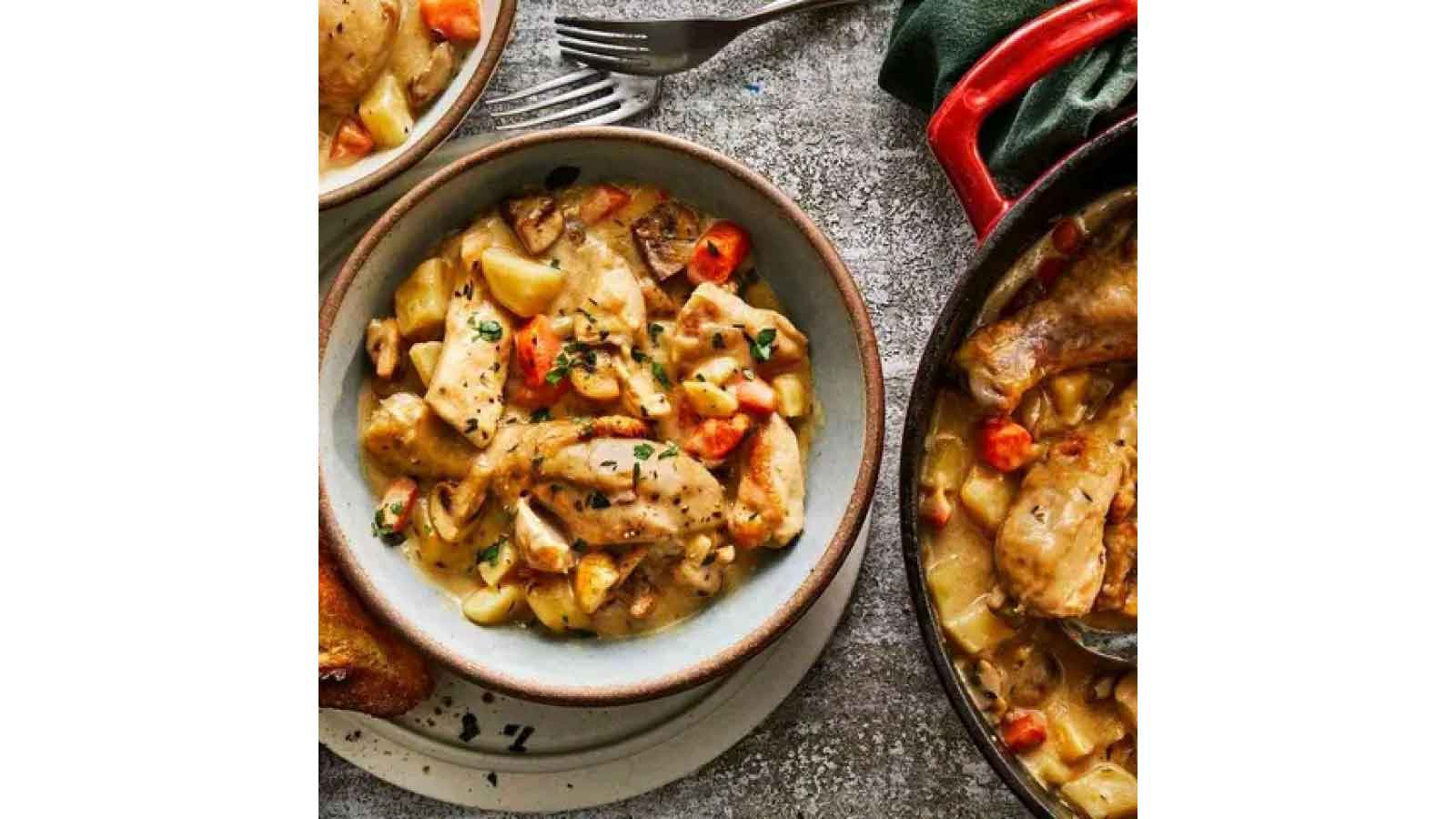
Chef Rudo Kandiero
The recently celebrated Mother’s Day is more than a date on a calendar; it is a feeling.
On this occasion, the kitchen becomes a place of tribute. Some families pass down jewellery or photographs, while others pass down recipes written on worn paper, stained by years of use.
Preparing her favourite meal or recreating one of her classic dishes is a beautiful way to say, “Thank you!”
It does not have to be perfect — she taught us that effort and love matter more than presentation.
Before we learnt to read cookbooks, we learnt by watching.
Mothers taught us that a pinch of
salt could change everything, that food tastes better when shared and that mistakes in the kitchen are simply part of the learning process.
In every kitchen around the world, mothers have written their stories — not with pen and paper, but with spices, recipes and tradition.
May your kitchen be filled with warmth, gratitude and the timeless flavours of a mother’s love. Even when she is not physically present, cooking her recipes brings her close again.
Ingredients
One whole chicken, cut into pieces;
Two onions, chopped;
Three tomatoes, grated or chopped;
Carrots, sliced;
Three potatoes, cubed;
Three garlic cloves;
One teaspoon paprika;
Salt and pepper to taste;
Two tablespoons cooking oil;
Water or stock (as needed)
Method
1. Heat oil in a large pot and gently brown the chicken pieces. Remove them from the pot and set aside.
2. In the same pot, sauté the onions until soft, then add the garlic and tomatoes.
3. Return the chicken to the pot. Add the paprika, salt, pepper, vegetables and enough water or stock to cover the ingredients.
4. Lower the heat and simmer slowly until the chicken is tender and the flavours have melded.
5. Serve hot with a side of rice or sadza.
Mothers: guardians of the kitchen
For generations, mothers have been the quiet guardians of kitchen hygiene. Long before food safety manuals, temperature charts or sanitising guidelines, mothers were the ones who taught us — by example — that cleanliness is an act of care.
Today, it is worth honouring the unseen discipline behind the daily habits that keep families healthy and safe.
Be it rinsing cloths, separating utensils, storing leftovers properly or keeping food covered, these actions show a deep-rooted understanding of food safety.
Simple phrases we grew up hearing are more than just instructions:
“Wash your hands first.”
“That spoon has fallen; get a clean one.”
“Cover the food.”
These are not merely rules; they are lessons in respect for the food we eat and the people we love.
Rudo Kandiero is a qualified chef with a diploma in food preparation and culinary arts, patisserie and food safety the HACCP WAY. She can be contacted on Facebook and Instagram (Rudo Kandiero)