

 Online Reporter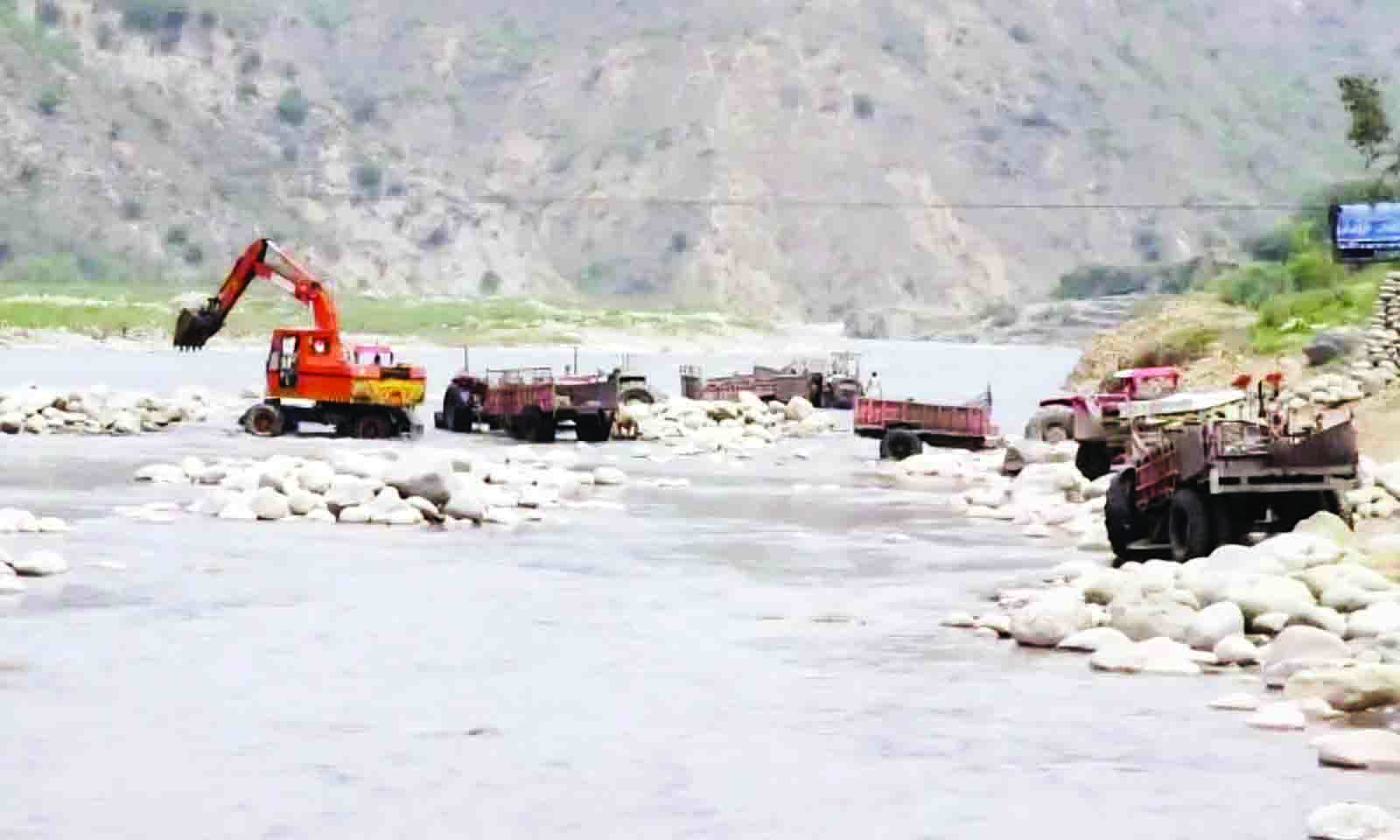
Nick Mangwana
Government Up Close
ZIMBABWE is, and has always been, open for business. This is not just a slogan; it is a national policy enshrined in law through the establishment of the Zimbabwe Investment and Development Agency, designed to welcome and protect investors who contribute to our shared prosperity. We extend our hands in partnership to the world, recognising the capital, skills, and innovation that foreign direct investment can bring. However, this welcome is not unconditional. It is a covenant built on a foundational principle: that those who seek opportunity in Zimbabwe must do so with an unwavering respect for our laws, our culture, and the economic space reserved for our own people. A Zimbabwean should feel at home in their own country; they cannot be made to feel like strangers or second-class citizens in their own land.
Our legal framework is clear. The ZIDA Act provides robust protections for foreign investors, including equitable treatment and a guarantee against expropriation.
Furthermore, Zimbabwe is a signatory to multiple international conventions and bilateral investment treaties, underscoring our commitment to a rules-based investment environment. This demonstrates that we have upheld our side of the bargain by creating a structured and predictable system. The same laws, however, clearly delineate sectors of the economy that are reserved exclusively for Zimbabwean citizens. These are not arbitrary designations but are based on the “country’s endeavour to promote indigenisation and economic empowerment,” ensuring locals have a stake in their own economy, particularly in sectors with low barriers to entry. The reserved sectors include passenger transport, retail and wholesale trade, grain milling, bakeries, barber shops, and hairdressing salons, a list that was recently expanded to include haulage, pharmaceutical retail, and borehole drilling.
Surely, when a foreigner competes with our people to mould bricks, can we call that an investment? When a foreigner is selling mobile phone accessories, is that entrepreneurship and can we call them a foreigner investor?
Yet, despite this clear legal boundary, we are witnessing a troubling trend of encroachment.
Recent reports detail how foreign entrepreneurs are increasingly occupying the retail sector, a space legally reserved for locals. In the heart of Harare, investigations reveal that foreign nationals from various countries now operate numerous retail outlets, often without displaying the required investment licences from ZIDA. In some cases, entire buildings have been taken over, subdivided, and turned into mini-markets managed by foreigners, who then rent out stalls to locals. This is more than just a regulatory failure; it is an erosion of the economic sovereignty of ordinary Zimbabweans. It creates an unfair playing field where local entrepreneurs and even major formal retailers find themselves competing against unregulated and often illicit operations.
This is not the “open for business” envisioned by His Excellency, President ED Mnangagwa.
This issue, however, transcends mere regulatory non-compliance and enters the realm of human dignity. The relationship between Zimbabwean communities and foreigners must be mutually respectful. There can be no room for investors who mistreat local employees or who operate with a sense of impunity. The call for our institutions to protect our people is not a call for xenophobia. We are a nation that understands the plight of the migrant, with thousands of our own citizens and nationals working abroad as expatriates. We have even launched a National Labour Migration Policy to protect migrant workers, underscoring our commitment to fair and humane treatment for all. Our stance is not against any nationality or foreigner, but against any and all forms of illegality and disrespect. No foreign national should ever believe, or behave as if, they have more rights than the natives of this land. The reports of locals being relegated to labour-intensive tasks for measly wages by foreign shop owners are antithetical to the empowerment our laws seek to foster.
Therefore, a recalibration is urgently needed. First, we must have enhanced enforcement of our existing laws. There is no reason why any institution or individual would hesitate to act as per their mandate to protect our people as well as to protect our environment. The only excuse for this is located in corruption. The agencies tasked with regulation, including ZIDA, EMA, ZACC and local authorities, have enough power to act decisively to ensure compliance in the reserved sectors.
Let’s not have the blame-shifting between different Government bodies and local authorities which only enables this problem to persist. Second, there must be accountability and transparency in the issuance of business licences to prevent the fraudulent registration of businesses under the names of Zimbabwean nationals.
If the law says we have banned riverbed mining, it should be banned for all.
There must never be an exception. Justitia (Lady Justice) is blindfolded to signify, the impartiality and objectivity in the administration of Justice.
Third, and most importantly, we must foster a culture of respect. Investors are welcome, but they are guests. They must understand that their long-term success is intertwined with the well-being and prosperity of the Zimbabwean communities they operate in.
For Zimbabwe to truly benefit from foreign investment, it is crucial that investors go beyond mere extraction and build a positive, lasting legacy by deeply integrating into the local economy. This means actively creating employment through local procurement and respecting Zimbabwe’s skilled workforce, rather than importing materials and non-essential staff.
The Economic Cost of Import Dependence
Over-reliance on imported goods severely limits the positive impact of investments on Zimbabwe’s economy. When investors bring in everything from their home countries, it stifles the growth of local downstream industries and fails to stimulate economic activity. A stark example is the mining sector, where the local manufacturing sector contributes only 15 percent to the industry’s needs, with approximately US$2.1 billion spent on imports. This represents a significant lost opportunity for economic growth, as this substantial capital does not circulate within local communities or contribute to the nation’s GDP.
Building Value Through Local Procurement
Shifting to local procurement is a powerful strategy for building a resilient and inclusive economy. The Government of Zimbabwe has a Local Content Strategy (LCS) with the goal of increasing local content levels in prioritised sectors. To achieve this, the Government is proposing concrete measures such as:
Establishing a local content rating system for tenders.
Mandating that at least 60 percent of Government procurement comes from local manufacturers.
Institutionalising the “Buy Zimbabwe”
Programme to support local industries.
By purchasing materials locally, investors do more than just follow policy; they build a supportive ecosystem of local businesses, foster entrepreneurship, and ensure that the wealth generated from Zimbabwe’s resources is reinvested in its people.
Respecting Local Talent and Expertise
The principle of local content extends directly to human resources. Zimbabwe possesses a highly educated and skilled workforce, making the importation of non-essential staff — a practice you rightly question — unnecessary and counterproductive. The country’s immigration framework is designed to facilitate the entry of foreign expertise where it is genuinely needed, not to replace local talent. Key legislation requires that a potential foreign worker must first obtain a temporary employment permit, for which the employer must be a locally registered entity and must apply on behalf of the foreign national.
This process ensures that opportunities for skills transfer are created and that Zimbabweans are given priority for employment, from general hands to engineering roles.
A Call for Partnership and Respect
Ultimately, responsible investment is about partnership. Investors are encouraged to work within the framework established by the Zimbabwe Investment and Development Agency, which serves as a one-stop shop to facilitate investment and dialogue between the public and private sectors. By respecting local laws, customs, and people, and by committing to genuine local integration, foreign investors can do more than just profit — they can earn their social licence to operate and contribute to a prosperous, self-reliant Zimbabwe.
In conclusion, Zimbabwe’s message to the world is one of partnership, not patronage. We desire investors who will build factories, transfer skills, create sustainable value chains, and respect the sanctity of our laws. We do not need shopkeepers in a sector reserved for our own people. And we certainly don’t want foreign artisanal miners, that’s for our people. Foreigners should come to run high capital projects that employ huge numbers of our people.
Our institutions have a sacred duty to uphold this covenant — to protect the Zimbabwean people and their economic destiny without favour or prejudice. We can, and we will, be a hospitable home for genuine investment, but only on our own terms. This is our country; we know no other, and we will not be molested in it.
Nick Mangwana is the Permanent Secretary for Information, Publicity and Broadcasting Services



