

 Online Reporter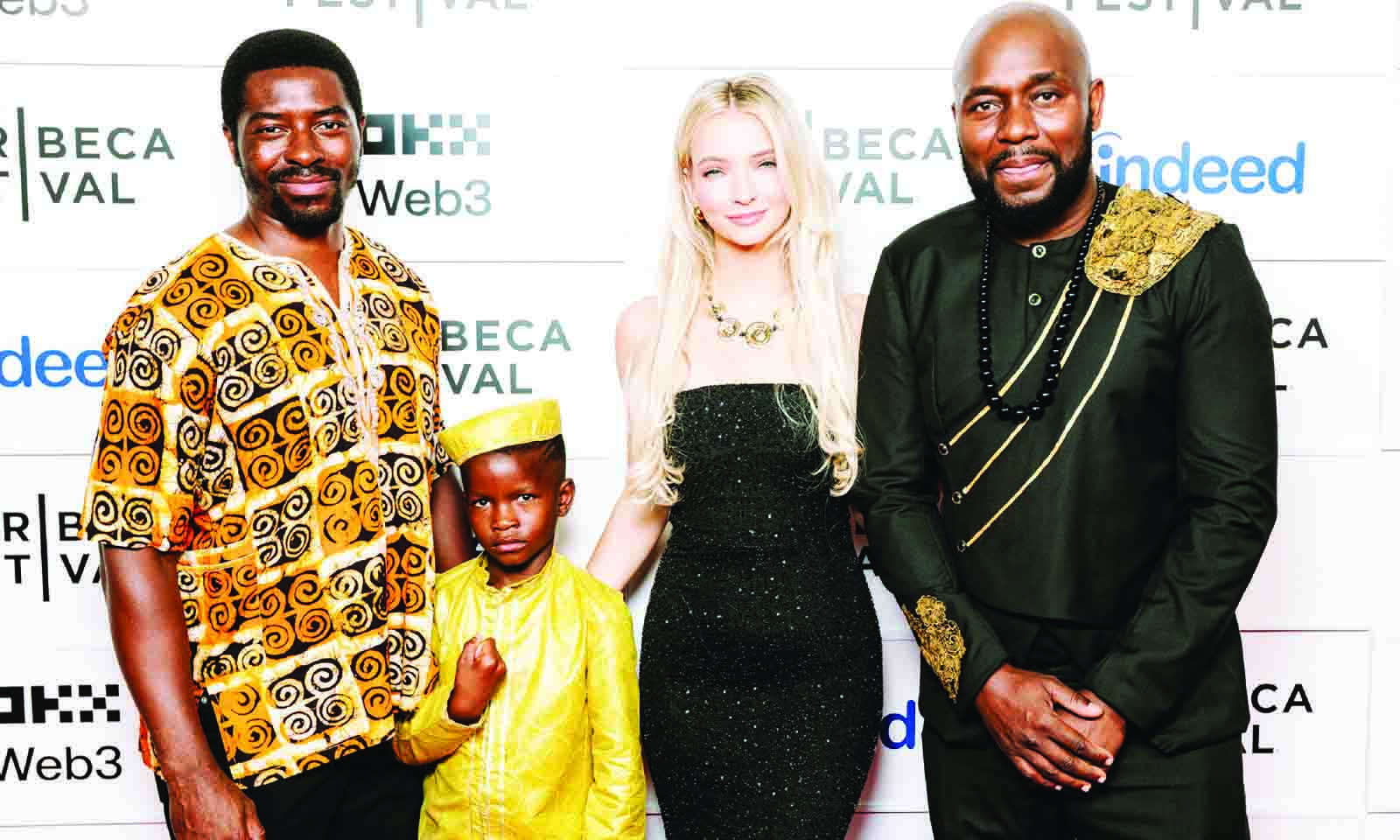
Tafadzwa Zimoyo
Zimpapers Entertainment Editor
THE Zimbabwean film industry is quietly but firmly stepping onto the global stage.
From Mai TT’s Nigerian collaboration “Lost in Ashes” that recently caused a stir at its Harare première, to new waves of independent productions gaining international traction, the narrative of local cinema is being re-written.
The latest jewel in the crown is “Rise”, a Zimbabwean short film that scooped three awards at the Lady Filmmakers Festival in Beverly Hills, California — a milestone that underscores how Zimbabwean stories are resonating far beyond our borders.
Written and directed by Jessica Rowlands and produced by veteran filmmaker Joe Njagu alongside Hollywood-based star Tongayi Chirisa, the movie walked away with awards for Best Short Film, Best Actor for Tongayi Chirisa and Best Up-and-Coming Young Actor for Sikhanyiso Ngwenya.
For a film born out of Harare’s modest production environment, the recognition in Los Angeles was more than a victory as it was a statement.
“It’s always a nice confirmation of the impact of a production,” said producer Joe Njagu, visibly proud of the work.
“A win makes all the hard work worth it. For the local industry, it’s about getting international eyes on local stories, which is so important because films travel. And when they travel, they attract collaborations.”
The festival itself was no small platform.
Njagu, who has been at the forefront of local film making for over a decade, believes the industry is under-going a quiet revolution.
“Zimbabwean film came from the Non-Governmental Organisation era, where films like “Neria” and ‘“Yellow Card” were not made for profit or commercial success.
“This bred a crop of artists who relied on donor systems. But now there is a transition — artists are making their art and selling it commercially to get a return on investment. Independent film-making is discovering its own identity, and that’s exciting,” he explained.
He was quick to point out that support is still desperately needed.
“The sector needs to be supported from the top, and then it will ripple effect. We need the powers that be to invest in the creative sector — from policy to infrastructure. Co-production treaties, tax incentives, ease of access: these things will make it attractive to film in Zimbabwe. Right now, artists are wearing many hats to make things happen with very little,” said Njagu.
Njagu said he is also gearing up for his next big release — a feature film titled “Dilemma”.
Written and directed by him, produced by Malaika Mushandu, and starring a powerhouse ensemble including Luthuli Dlamini, Albert Nyathi, Farai Chigudu, Eyarha Mathazia, Prudence Katomeme Mbofana, Michael Kudakwashe, Marian Kunonga, and introducing newcomer Chloe Thandeka Ncube, the film is slated for release at the end of the year.
“This is the revolution I was talking about,” Njagu said with conviction. “Zimbabwean film-makers are building on small victories to reach bigger stages. We are proving that we can compete, we can tell global stories, and we can make films that travel.”
However, Lady Film-makers Festival based in Beverly Hills, celebrates women film-makers and the men who collaborate with them, drawing submissions and audiences from across the globe.
For Rowlands, the recognition was both humbling and empowering. “Rise won three awards, and these categories are highly competitive, judged against films from across the world. To have a Zimbabwean story celebrated on such a stage, and to see our lead actors honoured, is incredibly meaningful,” she said.
While awards glitter, the real shine lies in what the film represents for Zimbabwean cinema. For the stars of Rise, the Los Angeles spotlight was equally affirming. Chirisa, already known internationally from roles in iZombie and Palm Springs, delivered what Rowlands described as one of his “most moving performances.” But it was the youngest cast member, eight-year-old Ngwenya, who stunned critics with his raw charisma.
“Sikhanyiso brought emotional truth that was far beyond his years,” Rowlands said.
“To see him recognised on an international stage is historic.
“It’s a powerful validation that Zimbabwean stories resonate globally. Winning in Beverly Hills proves that talent from our country can stand alongside the best in the world. For me, it’s proof that telling authentic stories from home matters.”
She revealed that the film is set to première at the Tribeca Festival 2025 in New York, marking the first time a Zimbabwean production will screen at the prestigious event.
Rowlands added that we need to change the perception that African cinema is niche. “Our stories are universal. If we build the ecosystem — funding, training, distribution — Zimbabwean films won’t just travel to festivals. They’ll become part of world cinema.”



