Chronicle Editor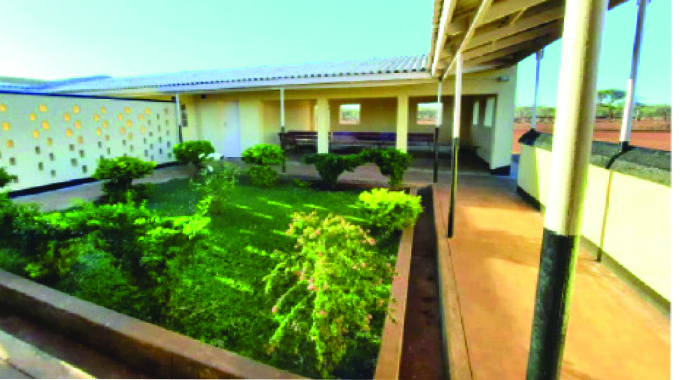
Marilyn Mutize, Correspondent
The devolution and decentralisation thrust in Zimbabwe, initiated under the Second Republic, marks a significant shift towards inclusive governance and balanced regional development.
This strategy aims to empower local governments, ensuring that development reaches all corners of the country, in line with the philosophy of “leaving no one and no place behind”.
The devolution agenda is backed by constitutional amendments and substantial financial support. In 2023 alone, the government allocated over ZWL $2.2 billion for provincial and local authorities to spearhead various developmental projects. This funding has facilitated a range of infrastructure projects across Zimbabwe’s provinces, aiming to improve public services and enhance living standards.
In Masvingo, devolution funds have been pivotal in constructing classroom blocks, healthcare facilities and water systems, significantly improving access to education and healthcare in rural areas.
The Midlands province utilised its share for borehole drilling, road construction and educational infrastructure, addressing critical needs in both rural and urban communities.
Manicaland province has also seen significant developments, such as the renovation of Sakubva Stadium, upgrades to the Dangamvura water pipeline and the rehabilitation of the Mutare Infectious Disease Hospital. These projects are crucial for enhancing the province’s infrastructure and health services
Mashonaland West has used its allocation for various projects, including building classroom blocks, procuring graders for road maintenance and constructing market shades in Kariba. These initiatives aim to boost the local economy and improve public amenities.
In Hwange, devolution funds have supported the construction of a new flea market, the only library in the area and numerous other community projects. This development is part of a broader strategy to provide designated trading areas, thus formalising and boosting local commerce.
One of the hallmark achievements of the devolution policy is the decentralisation of national events, such as the Independence Day celebrations, which were previously held exclusively in the capital, Harare. For the first time, in 2022, these celebrations were held in Bulawayo, demonstrating the government’s commitment to inclusive national pride and unity. This move not only boosts local economies but also fosters a sense of belonging and participation among all citizens.
In 2023, the celebrations took place in Mount Darwin, Mashonaland Central, a region historically significant for its role in the liberation struggle. This move was widely praised for honouring the local heroes and involving rural communities in national festivities.
The 2024 Independence Day celebrations were held in Buhera, Manicaland province, further reinforcing the government’s commitment to decentralisation and inclusive national identity.
The decentralisation of services is another critical aspect of this policy. Registry offices, which previously required citizens to travel long distances to the capital, have been established in various provinces, making it easier for people to access essential services such as birth certificates, identity documents and passports. This initiative reduces travel costs and time for citizens, significantly improving service delivery and convenience.
Furthermore, the decentralisation of healthcare services has seen the upgrading of district hospitals and clinics, ensuring that quality healthcare is accessible to all citizens, regardless of their geographical location. The establishment of Provincial Councils has also provided a platform for local leaders to address region-specific issues more effectively.
Central to the devolution and decentralisation agenda is the philosophy of leaving no one and no place behind. This guiding principle emphasises the government’s commitment to ensuring equitable development across all regions. It acknowledges the unique challenges faced by different areas and tailors interventions to meet local needs.
The establishment of Community Share Ownership Trusts (CSOTs) is testament to this commitment. These trusts ensure that communities benefit directly from the exploitation of local natural resources. For example, in areas rich in minerals, a portion of the revenue generated is allocated to local development projects, thereby fostering economic empowerment and social development.
Despite the significant strides made, the devolution and decentralisation processes are not without challenges. Issues such as inadequate capacity at local government levels, resource constraints and resistance to change have posed hurdles. However, the government’s continued investment in capacity building, resource allocation and policy reforms is addressing these challenges progressively.
The government’s engagement and re-engagement efforts on the international front also play a crucial role in supporting the devolution agenda. By fostering relationships with international partners, Zimbabwe aims to attract investment and technical support to bolster local development initiatives.
Zimbabwe’s devolution and decentralisation thrust represents a transformative approach to governance. By empowering local authorities and communities, decentralising national events and enhancing service delivery, the Second Republic is laying the foundation for sustainable and inclusive development. The commitment to leaving no one and no place behind is driving a new era of equitable growth and national unity.



 Online Reporter