

 dyton mupawaenda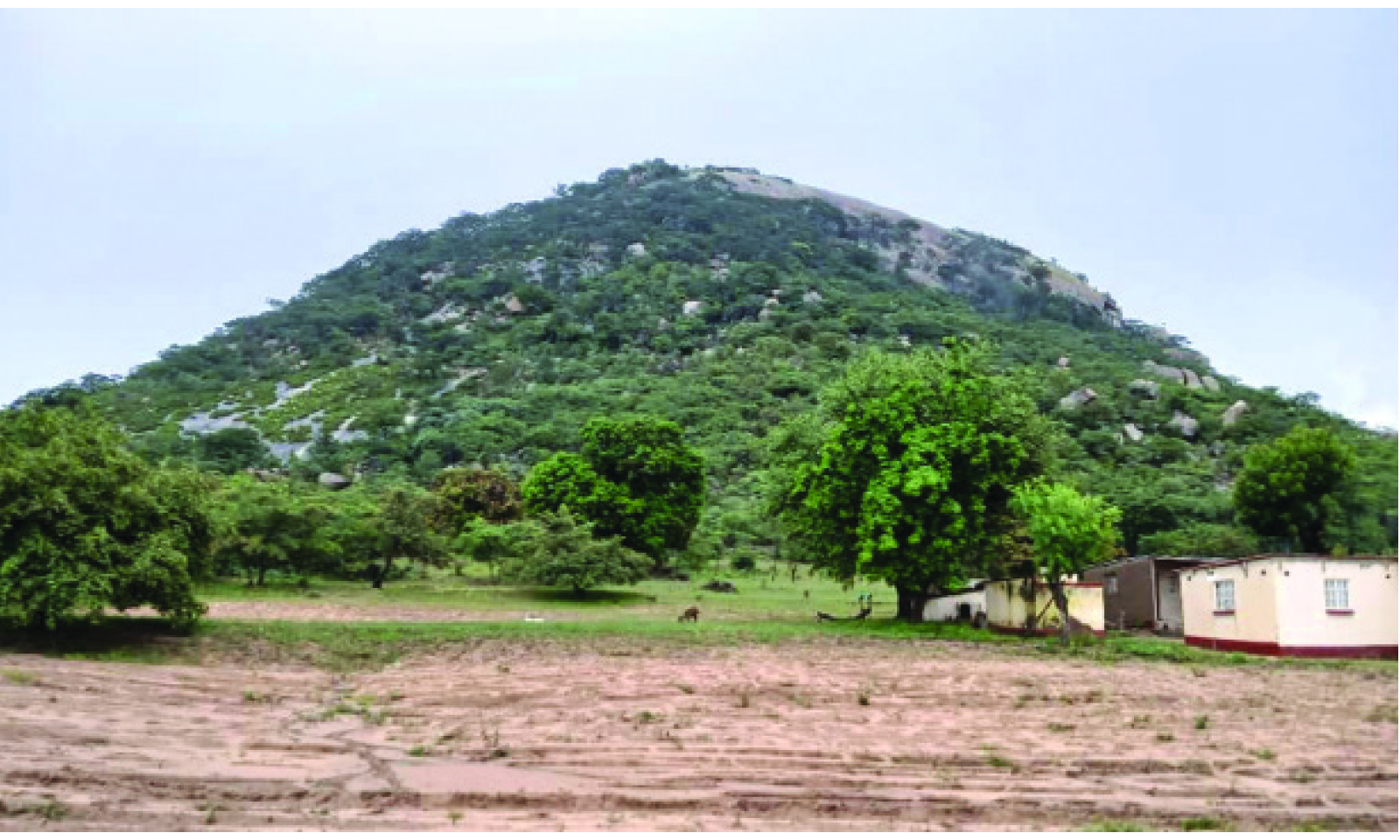
Victor Maphosa-Mashonaland East Bureau
When the name “Harare” is mentioned, many envision Zimbabwe’s bustling capital, a vibrant city filled with diverse cultures and opportunities.
For some, Harare symbolises success, prompting countless individuals, particularly youths, to flock there in search of employment and prosperity.
However, for the people of Mutoko, specifically in Gwaze village, Harare has a different significance—it refers to a sacred and mysterious mountain rich in cultural and spiritual meaning.
Located about 30 kilometres northwest of Mutoko, Harare Mountain is surrounded by beautiful rolling hills and is steeped in local lore.
It is believed that those who are not spiritually “clean” should not attempt to climb the mountain without undergoing a cleansing ritual, as it is said they may not return safely.
Locals say that whatever one wishes for while on the mountain will be granted, leading many to visit for prayer and spiritual connection.
The mountain is also historically significant, having served as a refuge for freedom fighters during Zimbabwe’s liberation struggle.
In the serene landscape between Harare Mountain and its neighbouring Mawanga Mountain flows a river renowned for its eternal flow, providing a vital lifeline for the community, especially during times of drought.
This river is a testament to the natural bounty of the area, symbolising resilience and sustenance for the villagers who depend on it.
Before setting out to explore the majestic Harare Mountain, The Herald sought guidance from the local leadership.
The news crew approached Mr Masuka Chitiyo Gwaze, the village head, who graciously agreed to assist. He gathered several village elders to consult spirit mediums, a customary practice believed to ensure a safe and blessed journey.
This sacred process is an integral part of their cultural heritage, underscoring the importance of spiritual preparation before embarking on such significant endeavours.
Once the consultation was complete, the delegation began the ascent of the imposing mountain. The climb was both exhilarating and challenging, with the breathtaking views serving as a reward for every step taken. After covering about a quarter of the way, the team paused to rest and soak in the beauty that surrounded them.
Local lore suggests that Harare Mountain is home to a diverse array of wildlife, with tales of every conceivable animal inhabiting its slopes. Interestingly, there are no recorded incidents of attacks on humans by these creatures.
This raises intriguing questions: Are the animals guardians of this sacred site, or do they share a spiritual connection that renders them benign? The connection between the wildlife and the mountain’s sanctity remains a captivating mystery, one that adds to the allure of this majestic landscape.
As the team rested, the whispers of the mountain echoed in the air, inviting contemplation of its secrets and the deep cultural significance it holds for the people of Mutoko.
The combination of natural beauty, spiritual reverence and enigmatic wildlife creates an experience that is both profound and unforgettable.
Mr Gwaze recalls how his father played a crucial role in ensuring that no blood was shed on the mountain during the war.
There are stories of lovers who, upon misusing the mountain for romantic escapades, faced dire consequences.
The belief in the mountain’s sanctity runs deep and many visit to pray or engage in cultural practices.
According to Mr Gwaze, the mountain provides vital resources, including a perennial fountain that never runs dry, even during drought years, offering water for both people and livestock.
The locals interpret sounds from the mountain as omens, indicating whether the forthcoming season will bring good rains.
“This mountain called Harare is sacred. From the time we were born, we were informed of its sacredness and we believe it given that a lot of mysterious things do happen there with a lot of testimonies from locals.
“Whenever we come to this mountain and make a wish, if the wish is for the people or does not mean no harm to others, that wish will be granted.
“What makes this mountain even more important to the people of Mutoko, is that, it was a refuge for freedom fighters during the liberation war era.
“By that time, I was very young and could not join the physical fighting, but I witnessed a lot of things happening here. My father was the village head by then and he would always take me to the mountain where he would meet comrades at their base in this mountain.
“My late father played a crucial role and he never allowed blood to be spilled in this mountain. So no matter how intense the war became, no one died in this mountain, he made sure of that,” said Mr Gwaze, referring to the country’s liberation struggle of the 1970s.
The mountain gained further significance in 1979 when John Bradburn, a well-known humanitarian, was brought there by freedom fighters.
After being found innocent of accusations against him, he prayed on the mountain, and locals believe this act sanctified the site.
Since then, it has become a pilgrimage destination, attracting Christians, particularly from the Catholic Church, who come to honour his memory and seek peace.
Mr Gwaze notes that the influx of pilgrims has increased over the years, suggesting the potential for Harare Mountain to be developed into a religious tourism destination.
Many locals share this sentiment, believing it could transform their village economically.
Elder Ben Chimedza confirms the mountain’s sacredness, emphasising the thunderous sounds that signal rain seasons. He recalls the lasting impact of Bradburn, noting that his prayers have made the site holy in the eyes of many.
“Because of this mountain, we will know whether we are receiving good rains or not. This mountain is important to us and we know it is sacred. No evil things can be done in this mountain,” he said.
“As for the incident involving Mr John Bradburn, it is interesting to note that people from around the globe are now visiting this site where he last prayed. We believe he made this place Holy and we always remember him.”
A local Catholic congregant expressed their personal experiences, stating that visiting the mountain brings peace and fulfilment of prayers.
The idea of establishing a religious tourist destination resonates strongly within the community.
Dr Benard Kasekete, a prominent figure in the tourism and hospitality industry, says Harare Mountain can be developed as a religious tourism site. He believes that the growing interest in Mutoko as a tourist destination, coupled with its rich cultural heritage, could significantly benefit the local economy.



 Online Reporter