Online Reporter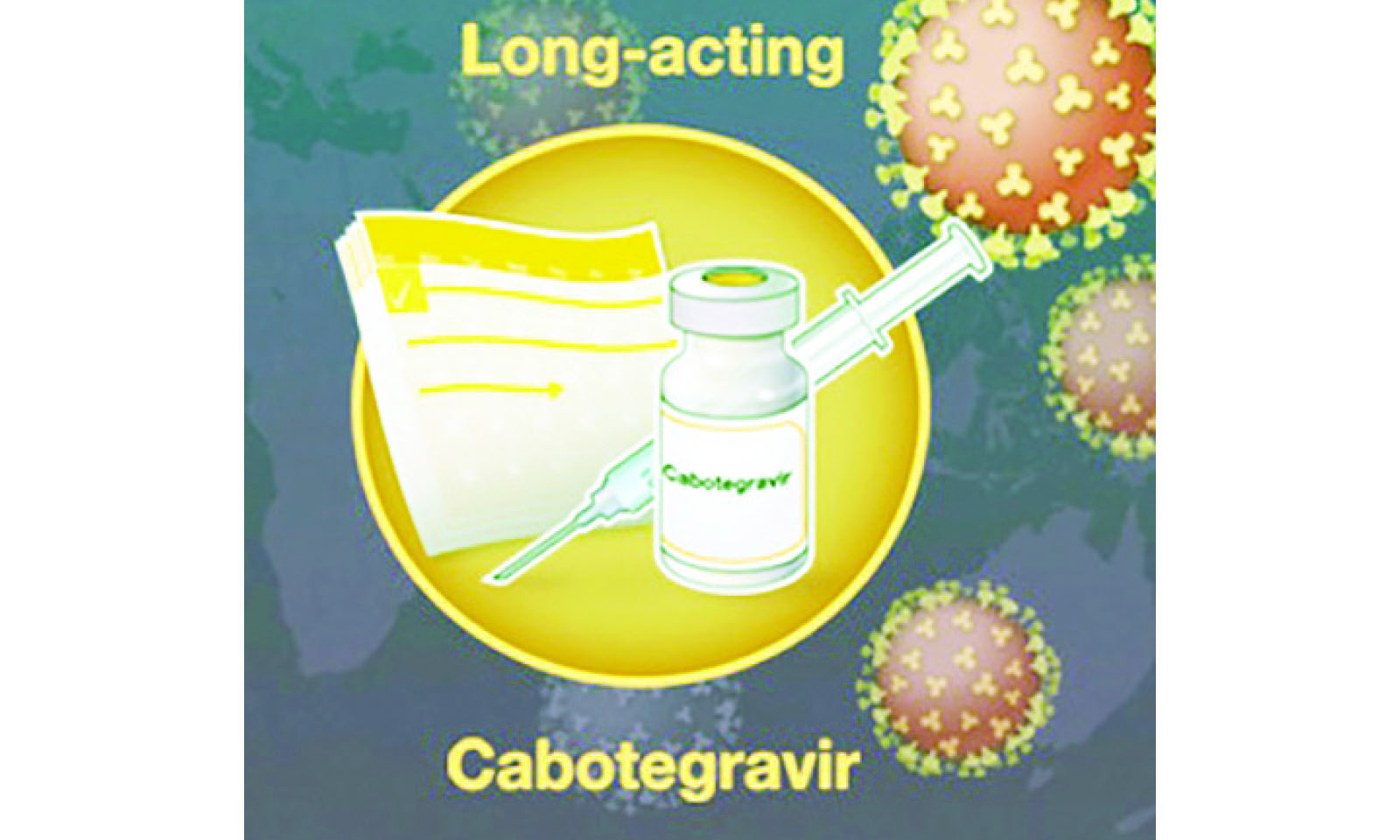
Jimmy Murwira
ZIMBABWE is on the brink of a historic milestone in its fight against HIV. In a move that could significantly shift the trajectory of new infections, the country is preparing to roll out a World Health Organization-endorsed long-acting injectable drug for HIV prevention.
This innovation, a beacon of hope for millions, signals not only scientific progress but also the strength of political will and health system readiness in addressing one of the most enduring public health challenges of our time.
Zimbabwe, like many countries in sub-Saharan Africa, continues to grapple with a high HIV prevalence rate. While tremendous strides have been made in testing, treatment, and reducing mother-to-child transmission, prevention remains a complex frontier. The traditional reliance on daily oral pre-exposure prophylaxis (PrEP) has helped reduce new infections, but adherence issues, stigma, accessibility challenges, and pill fatigue have limited its full potential.
Enter the long-acting injectable, a game-changer in HIV prevention. Officially endorsed by the WHO in July 2025, this injectable PrEP drug, known scientifically as cabotegravir long-acting (CAB-LA), offers protection for two months per dose. Its introduction in Zimbabwe could dramatically improve adherence, empower vulnerable populations, and reduce new infections at scale.
The science behind CAB-LA is compelling. Clinical trials have shown that it reduces the risk of HIV acquisition by up to 79% more effectively than oral PrEP among populations at substantial risk. By eliminating the need for daily medication, the injectable ensures sustained protection without the day-to-day burden that often leads to missed doses.
The Ministry of Health and Child Care, in collaboration with global health partners, has already demonstrated its ability to pilot and scale up HIV interventions with speed and efficiency from early access to antiretroviral therapy (ART) to offering HIV self-testing kits in remote communities. This new injectable intervention is expected to follow a similar trajectory, placing Zimbabwe once again at the forefront of HIV prevention in Africa.
The upcoming roll-out of CAB-LA will require a multifaceted strategy. It is not just about importing and administering a new drug but it is about transforming how we approach HIV prevention entirely.
Key populations such as adolescent girls and young women, sex workers, men who ave sex with men (MSM), and serodiscordant couples will need to be prioritised.
These groups bear a disproportionate burden of new HIV infections and would benefit most from a discreet, long-lasting prevention method. However, targeted interventions must be accompanied by robust community engagement to build trust and tackle stigma.
Training healthcare providers to administer the injectable, counsel clients, manage side effects, and track follow-up appointments is vital. This will demand investment in continuous professional development, especially at the primary healthcare level where most preventive services are delivered.
Unlike oral PrEP, CAB-LA requires stringent storage conditions. This necessitates improvements in cold chain infrastructure, especially in rural and remote clinics. Fortunately, Zimbabwe’s experience with vaccine roll-outs, particularly during the COVID-19 pandemic, provides a solid foundation to build upon.
Robust data systems must be in place to track uptake, retention, effectiveness, and any adverse effects. A national CAB-LA dashboard could be developed in real-time to aid decision-making and ensure accountability.
One of the most exciting aspects of the CAB-LA rollout is its potential to revolutionise how we engage youth in HIV prevention. Studies have consistently shown that adherence to daily oral PrEP among adolescents and young adults is poor, often due to stigma, forgetfulness, and lifestyle factors.
Injectable eliminates these barriers, no pills to hide, no fear of being judged, and no daily reminder of HIV risk. If delivered with confidentiality and respect, this innovation could drastically reduce new infections in this age group, which continues to drive the epidemic in Zimbabwe.
To maximise the impact of CAB-LA, public messaging must be both innovative and inclusive. Campaigns should normalise the use of injectable as a responsible health choice not a marker of promiscuity.
Just as vaccinations are accepted for disease prevention, so too should injectable PrEP be embraced without shame.
Influencers, artists, and health ambassadors must be part of the awareness drive, ensuring the message resonates across urban and rural contexts. Social media, community radio, and school programmes should all play a part in reshaping public perception around HIV prevention.
Zimbabwe’s commitment to the Global AIDS Strategy and its own health sector investment priorities under the National Health Strategy (2021–2025) align well with this initiative.
However, success will also hinge on sustainable funding.
Donor agencies such as PEPFAR and the Global Fund, alongside private sector partners, must continue to support this roll-out while the government steadily increases domestic health financing. A blended financing model, which includes health insurance schemes, public funds, and external grants, could help ensure the programme’s longevity.
Zimbabwe’s roll-out of CAB-LA signals that the country is serious about achieving UNAIDS’ 95-95-95 targets and ultimately ending AIDS as a public health threat by 2030. By combining cutting-edge science with people-centred delivery, this initiative could serve as a blueprint for other countries in the region.
It is not just about a new drug; it is about new hope. With every injection, Zimbabwe will be writing a new chapter in the story of HIV prevention: one that prioritises choice, dignity, innovation, and health equity.
The injectable PrEP roll-out marks a powerful turning point in Zimbabwe’s HIV response. But its success will depend on more than just supply chains and syringe availability. It will rest on the shoulders of communities, health workers, policymakers, and young people who must embrace and champion this new way forward.
This is a rare opportunity to reimagine HIV prevention to make it smarter, stronger, and more inclusive.
With bold leadership, clear messaging, and community buy-in, Zimbabwe is not only taking a shot against HIV but taking a shot at winning.
Key aspects of cabotegravir injection
Cabotegravir injection is an injectable form of pre-exposure prophylaxis (PrEP) for HIV prevention. It is a long-acting medication administered as an intramuscular injection.
It is used to reduce the risk of HIV infection in individuals at substantial risk.
PrEP for HIV prevention
Cabotegravir injection is an option for pre-exposure prophylaxis, meaning it is given to individuals who do not have HIV to prevent them from acquiring the infection.
Long-acting injectable
It is administered as an injection, and the medication remains active in the body for an extended period.
Frequency
The initial injections are given four weeks apart, followed by injections every eight weeks according to the World Health Organisation (WHO).
WHO recommendations
WHO recommends that CAB-LA (long-acting cabotegravir) may be offered as an additional HIV prevention option for people at substantial risk.
Considerations:
The WHO emphasises that CAB-LA should be considered as part of a comprehensive approach to HIV prevention, taking into account factors like effectiveness, acceptability, feasibility, and resource needs.
Zimbabwe’s role
Zimbabwe was the first country in Africa to announce regulatory approval for long-acting injectable cabotegravir for HIV prevention.
Treatment for HIV
Cabotegravir is also a component of the treatment for HIV, specifically Cabenuva, which combines cabotegravir with rilpivirine. Cabenuva is used for adults and adolescents who are virologically suppressed on a stable antiretroviral regimen.
Safety and side effects
While generally well-tolerated, some side effects can occur, including pain or swelling at the injection site. It’s important to discuss potential side effects and safety information with a healthcare provider.
Not for everyone
Cabotegravir injection is not recommended as first-line treatment for individuals who are not already on an effective HIV treatment regimen or who have evidence of resistance to certain classes of HIV drugs.
Drug interactions
Cabotegravir is not effective against hepatitis B, so it’s not recommended for people who need treatment for that virus.



 Bongani Ndlovu