Online Reporter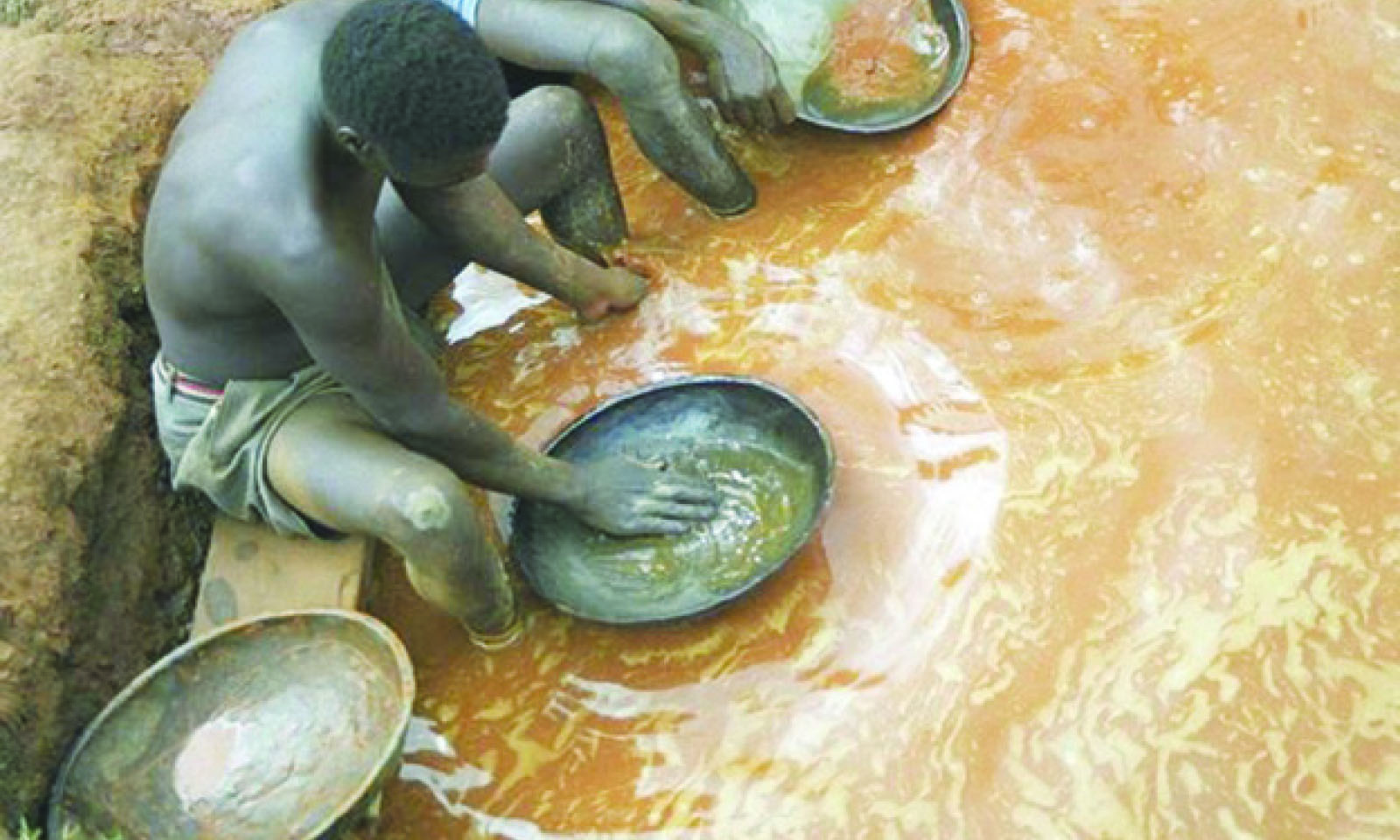
Mollin Siwella
Correspondent
Representatives from 172 countries recently gathered in Zimbabwe to strengthen their commitment for wetland conservation.
COP15 reaffirmed the international Ramsar Convention that aims to emphasise the important role wetlands play in sustaining ecological health, biodiversity, and climate resilience.
Wetlands are critical for Zimbabwe’s water security and biodiversity. While 30 percent of Zimbabwe is covered by wetlands, more than 60 percent of these are estimated to be degraded.
By capturing water and enabling it to seep into the soil along with dissolved gases, wetlands recharge groundwater systems and act as powerful carbon sinks.
Wetlands are a vital resource protecting water quality and maintaining water flow. There are numerous threats to these unique ecosystems: pollution, urban development, agriculture, as well as artisanal mining.
Mining poses a significant and often overlooked threat to wetland environments and the communities that depend on them.
The planetGOLD team has witnessed first-hand the often-severe impact of mining activities on water systems and land across the country. Importantly, many miners use mercury, a pollutant which flows directly into rivers and streams.
However, with proper support, artisanal gold miners can adopt more environmentally friendly practices while participating in the rapidly growing sector.
Artisanal miners can formalise, transition to mercury-free techniques and reduce contamination of vital water systems, helping to preserve wetlands and ensuring a healthier environment for future generations.
Since June, the planetGOLD Zimbabwe team has been traveling across the country meeting with artisanal gold miners in different regions.
The team met with more than 700 miners located at more than 40 mining sites across 11 mining districts. In every community, we have heard similar stories: artisanal gold mining is a vital source of income for thousands of people that pays for food, housing, and school fees. Today, the sector supports more than 500 000 people in Zimbabwe.
But across the mine sites we have seen how mercury is commonly used as part of gold processing. The accessibility, portability, ease of use, and low cost of mercury makes it a popular choice among miners. We heard from miners who said it’s the simplest method they know of to gain the highest gold yields.
Mercury accumulates in wetland soils and waterways, where it transforms into toxic methylmercury — a highly persistent compound that disrupts aquatic ecosystems, contaminates food chains, and poses severe risks to biodiversity, water quality, and human health. Across Zimbabwe, its estimated that 96 percent of artisanal gold mine sites use mercury.
The sector is booming — last year the artisanal and small-scale gold mining sector produced 23,7 tonnes of gold, requiring at least 29,6 tonnes of mercury for processing.
Wetlands act as natural filters and biodiversity hotspots — but when contaminated by mercury, their ecological function is severely compromised. Artisanal gold miners are eager to learn more innovative and responsible methods, and in some cases, are already taking action.
For example, the owners of Reliance Mine in Midlands Province have installed an aquaculture pond reclaiming degraded land.
The water quality is tested regularly to ensure pH, metals, and toxins are at safe levels, while the surrounding land is replanted with trees to support the local ecology.
By formalising their operations and implementing mercury-free practices, miners can become leaders for environmental protection — within their communities and across the country.
At the same time, governments must ensure that formalisation requirements aren’t too onerous, discouraging compliance and promoting illegality.
The government has taken some encouraging steps with the Artisanal and Small-Scale Gold Mining Strategy and the Mines and Minerals Bill.
However, to sustain the growth of the gold mining sector and guarantee its contributions to the economy, these critical pieces of legislation must specifically address the concerns of artisanal and small-scale miners.
Across the country what we’ve been hearing is that miners are eager to comply with laws and regulations but often face roadblocks due to high costs and overly complex procedures.
At many sites, miners expressed a strong desire to register their own claims and formalise but faced challenges such as the unavailability of free claims and poor knowledge of the registration process.
The planetGOLD Zimbabwe project is building on interest from all stakeholders by fostering greater environmental awareness across the artisanal gold mining sector and supporting miners to adopt sustainable mercury-free technologies.
As part of these efforts, we’re collaborating with government agencies across mining and environment agencies to support artisanal gold mining actors to formalize their operations — both to ensure they follow legal pathways, compliance with environmental laws, while building a more prosperous and responsible sector.
Communities we met were eager to take action to protect the environment. Local populations across Zimbabwe are acutely aware of how we all rely on the environment for our necessities like food and water — and the need to protect our valuable ecosystems for generations to come.
Investing in more responsible mining practices and transitioning to safer, mercury-free mining practices helps to safeguard our wetlands and water sources from contamination, while promoting more sustainable livelihoods for mining communities.
As Zimbabwe brings together local and international leaders in Victoria Falls, tackling mercury pollution must remain a central part of our collective environmental response.
Mollin Siwella is the ASGM Technical Specialist for the planetGOLD Zimbabwe project, part of a global effort to reduce mercury in artisanal and small-scale gold mining.



 Bongani Ndlovu