Online Reporter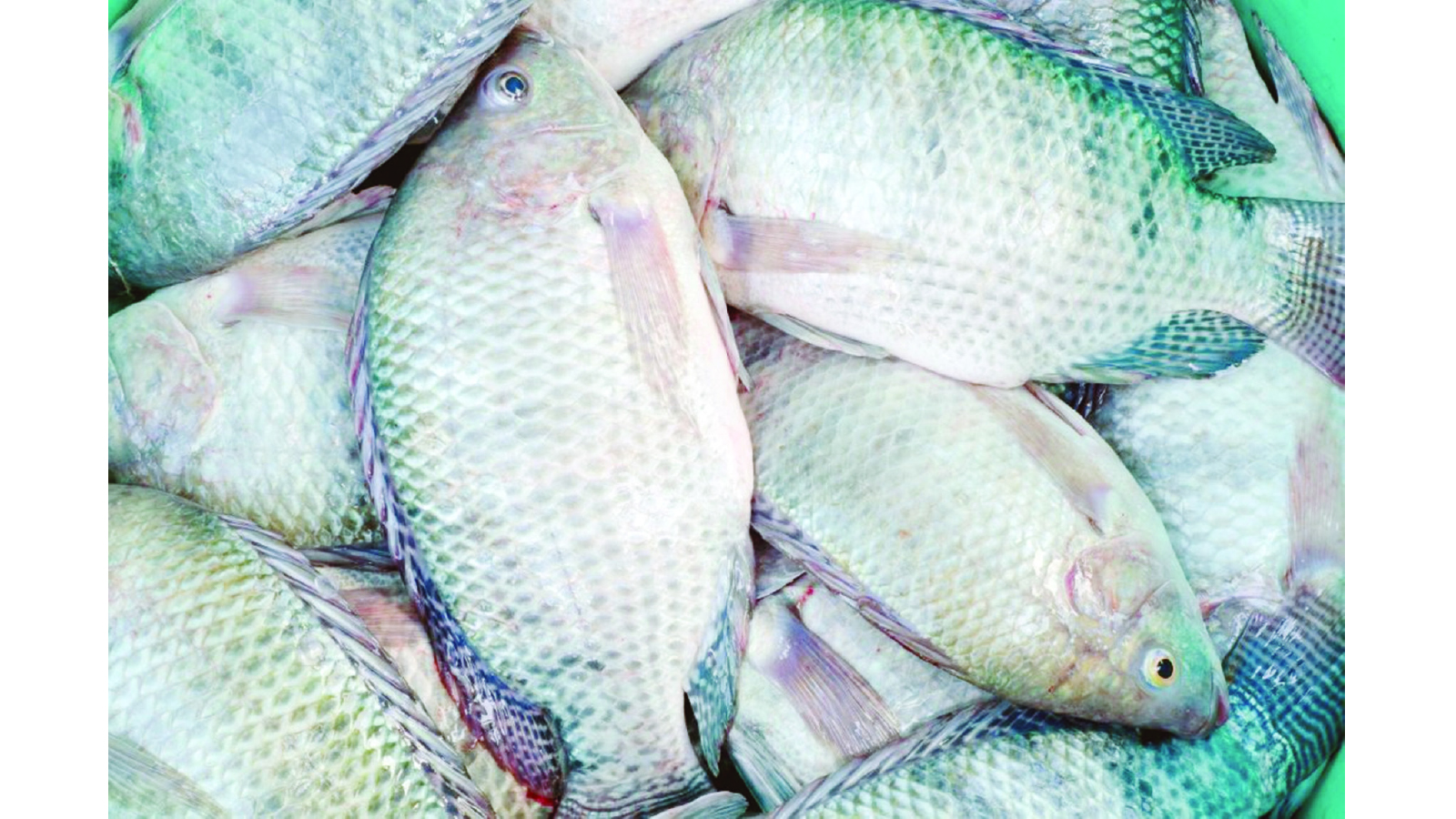
Herald Correspondent
A REGIONAL initiative by the African Development Bank that has overhauled aquatic resource management and boosted cross-border fish trade is now improving the lives of nearly three million people across Southern Africa including Zimbabwe, raising fish production, consumption and incomes.
The Programme for Improving Fisheries Governance and Blue Economy Trade Corridors (ProFishBlue) has generated cross-border trade volumes exceeding 500 000 tonnes over the past four years, creating employment, strengthening food security and building climate resilience across SADC member States.
The initiative has built capacity for over 250 000 beneficiaries across seven African Development Fund (ADF) countries namely Democratic Republic of Congo, Madagascar, Malawi, Mozambique, Tanzania, Zambia and Zimbabwe, through various trainings, knowledge transfer programmes, fish quality assurance equipment and tools and refrigerated transport vehicles.
Training covered multiple areas, including fish value chain and post-harvest use, business development and SME incubation, genetic improvement programs for endemic tilapia species, common standards and policy harmonisation in collaboration with bureaus of standards and customs officers, nutrition and fish product development, and blue economy investment planning and financing mechanisms.
Further support was provided for fish stock assessments on transboundary lakes, vessel monitoring systems to deter illegal fishing, and training vessel inspection and fish catch statistics.
On World Fisheries Day on November 21, the SADC, the African Development Bank (AfDB) and strategic partners gathered in Gaborone to celebrate these achievements and showcase how the project has transformed fish value chains and local consumer markets since its inception in 2022.
The US$9,2 million grant initiative, funded through the AfDB’s ADF 15, has successfully facilitated regional integration and economic development by improving fisheries governance and establishing sustainable blue economy trade corridors.
This year’s World Fisheries Day aligned closely with ProFishBlue’s multi-level governance and community-centred approach and measurable impact on fisheries communities throughout Southern Africa.
The gathering brought together government officials, development partners, private-sector representatives, and civil society stakeholders to chart a path forward for sustainable fisheries development in the region.
“We are indebted to the African Development Bank Group for providing funding to implement this project within the Blue Economy space,” said director Domingos Gove on behalf of Ms Angele Makombo Ntumba, SADC deputy secretary for Regional Integration.”