Sikhulekelani Moyo [email protected]
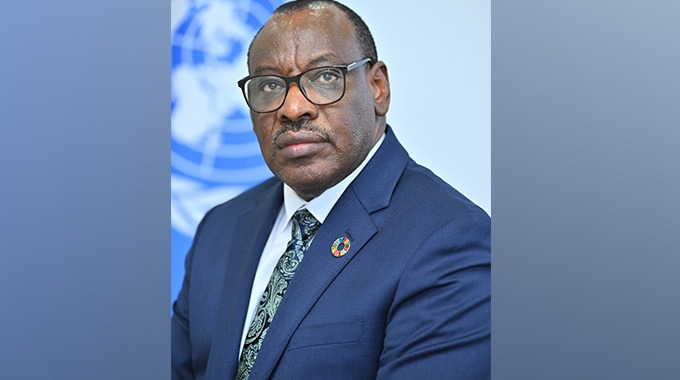
Africa cannot industrialise or fully realise the benefits of the African Continental Free Trade Area (AfCFTA) without reliable and large-scale electricity generation, United Nations Economic Commission for Africa (ECA) executive secretary Claver Gatete has said.
Speaking virtually during the Ministerial Compact Roundtable on Financing Africa’s Nuclear Energy Future at the Nuclear Energy Innovation Summit on Africa 2026 on Wednesday, Mr Gatete warned that unreliable electricity supplies continue to undermine the continent’s industrialisation ambitions and competitiveness.
“No nation industrialises in the dark,” he said.
“Africa cannot realise the promise of the AfCFTA or build competitive regional value chains on intermittent power alone.”
Mr Gatete said nearly 600 million Africans still lack access to electricity, including about 400 million people living in rural areas beyond existing power grids.
While electricity access across the continent has improved from around 25 percent a decade ago to 51 percent today, he said Africa still needs to accelerate energy access efforts significantly.
“Africa needs to connect around 100 million people every year to stay within reach of SDG 7,” he said.
“Electricity demand could quadruple by 2040 as countries expand manufacturing, mineral processing, logistics, agriculture, pharmaceuticals and digital infrastructure.”
Mr Gatete said nuclear energy should form part of Africa’s diversified clean energy strategy, arguing that modern economies require stable and reliable baseload power in addition to renewable energy sources.
“Nuclear energy can help deliver this, alongside renewable sources of energy,” he said.
He said nuclear power could help stabilise national grids while providing low-carbon electricity needed to support industrial growth.
Mr Gatete pointed to growing global interest in small modular reactors and increasing nuclear energy investments worldwide.
He said Africa already possesses uranium resources, emerging nuclear institutions and countries making progress in the sector.
South Africa already operates commercial nuclear power plants, while Egypt is constructing reactors at El Dabaa. Morocco is advancing nuclear preparations and Rwanda is exploring deployment of small modular reactors.
However, Mr Gatete said financing remains the major challenge facing nuclear energy projects across the continent.
He said nuclear ambitions would not become “investable realities” unless African countries reduce investment risks through credible governance systems, strong institutions and bankable project delivery models.
Mr Gatete outlined five priority areas needed to advance Africa’s nuclear energy ambitions namely strong political leadership, transparent governance and independent regulation, blended financing and risk mitigation mechanisms, regional cooperation and increased support from multilateral development banks and development finance institutions.
“Investment in roads and brains is also needed,” he said, referring to the need for improved grid infrastructure, logistics systems, engineers, regulators, technicians and regional centres of excellence.
Mr Gatete said small modular reactors could provide a practical entry point for many African countries because of their modular nature and suitability for smaller electricity grids and industrial zones.
He reaffirmed the ECA’s commitment to supporting member states through technical cooperation, policy support and strategic partnerships.
“Our task is not merely to expand power generation,” he said.
“It is to build the energy foundations of Africa’s next development era.”
Africa cannot industrialise without reliable power: Gatete