admin
admin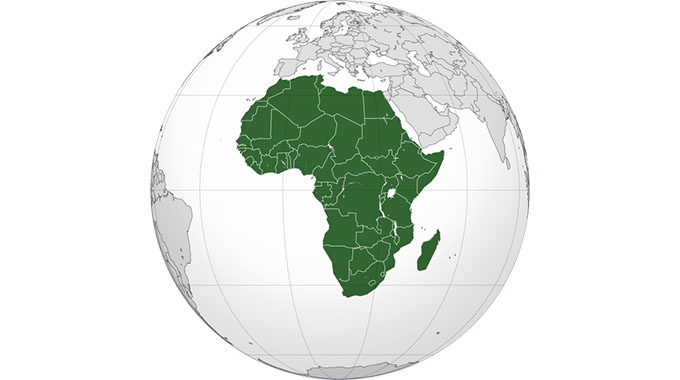
GENEVA. – As the globe marks World Polio day, Africa has recorded 134 new polio cases in at least seven countries, the World Health Organisation (WHO) announced yesterday.
The regional director of the WHO for Africa, Dr Matshidiso Moeti, stated that the circulating variant of polio type two has been detected in Burkina Faso, Cameroon, the Central African Republic (CAR), Chad, Mali, Niger and Nigeria.
In 2023, 541 children worldwide were impacted by polio, with 85 percent residing in 31 countries that are fragile, conflict-affected, and vulnerable, as reported by a recent UNICEF analysis on World Polio Day.
Over the last five years, polio cases in these regions have more than doubled, and routine childhood immunisation rates have decreased from 75 to 70 percent, significantly lower than the 95 percent required for community immunity.
A worldwide drop in childhood immunisation rates has resulted in a rise in polio outbreaks, even in nations that had been free of the disease for many years.
This situation is particularly pronounced in areas affected by conflict, with 15 out of 21 such countries, like Afghanistan, the Democratic Republic of Congo (DRC), Somalia, South Sudan, and Yemen, currently facing polio challenges.
Recently, UNICEF and its partners have ramped up emergency measures to address the increase in polio cases.
In Gaza, for instance, UNICEF, in collaboration with WHO, managed to vaccinate nearly 600 000 children under the age of 10 during the initial phase of a polio vaccination drive in mid-September.
The second and final phase has been carried out successfully in southern and central Gaza, although ongoing mass displacements and bombings have hindered efforts in the northern region.
This campaign marks the return of polio to Gaza after a 25-year absence.
In Sudan, the national childhood vaccination rate has plummeted from 85 percent prior to the conflict to just 53 percent in 2023, with active conflict zones seeing coverage drop to a mere 30 percent.
In response, UNICEF and its partners have conducted two emergency polio vaccination campaigns in recent months, successfully reaching 2,9 million children under five through door-to-door efforts.
Effective polio vaccination initiatives in fragile, conflict-affected, and vulnerable regions are vital for preventing further cases and safeguarding already at-risk children. Humanitarian causes are crucial to allow healthcare workers to safely access children and administer vaccines.
The continent, which is recovering from the COVID-19 pandemic, is also grappling with new cases of the Mpox virus, which has been declared a public health emergency. Health experts are calling on vaccines to be availed at affordable prices. – Africanews.com


 Online Reporter