Online Reporter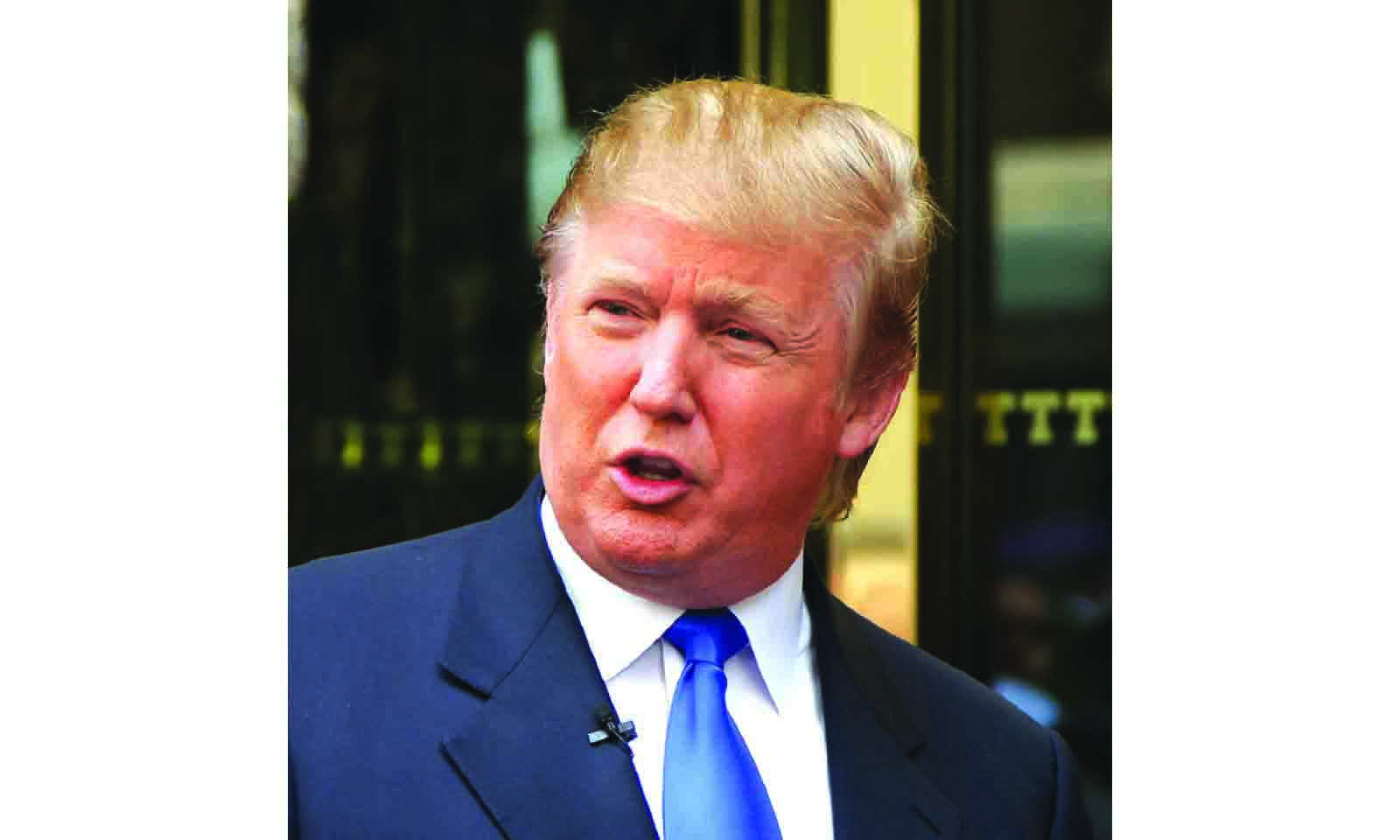
NAIROBI. – Washington’s new tariffs on nearly 70 countries, including about 20 in Africa, are set to take effect after US President Donald Trump signed an executive order last week.
According to a White House release, the duties increase to 15 percent for countries such as Lesotho, Madagascar, and Nigeria, while Libya, South Africa, and some others face a 30-percent tax, effective seven days after the date of the order.
African officials and experts have warned that the unpredictability of US trade policy fuels uncertainty for the continent’s development, while underscoring the need for a strategic and coordinated response across African countries.
In July, amid the harsh winter of the Southern Hemisphere, textile workers roamed an industrial zone of Maseru, the capital of Lesotho, to search for new jobs.
Landlocked in Southern Africa, Lesotho is one of the world’s least developed nations, classified by the United Nations, with nearly half of its population living below the poverty line and unemployment standing at around 25 percent.
The US tariff regime has dealt a heavy blow to the country’s textile industry, said Mokhethi Shelile, Lesotho’s minister of trade, industry, business development, and tourism, in a recent interview with Xinhua.
Textiles are a cornerstone of Lesotho’s economy as the country is one of Africa’s largest garment exporters to the United States. But since the tariff was announced, many orders have been canceled, potentially leaving around 13 000 workers jobless.
According to Teboho Kobeli, head of Afri-Expo, one of Lesotho’s largest textile companies, the sudden halt in orders has caused a major disruption, even if the U.S.-bound exports account for just 10 percent of their total output. “We had to lay off nearly 500 workers to ease the financial pressure,” he said.
In Madagascar, the vanilla sector has been directly hit. Contributing around a quarter to the country’s export revenues, the industry relies heavily on the US market, which consumes approximately 70 percent of Madagascar’s vanilla exports.
“The current price of vanilla is already low,” noted Noe Rene Solo, director of agriculture and livestock for the Atsinanana region, one of Madagascar’s key vanilla-producing zones.
If further tariffs are imposed, he warned, prices could drop even more, discouraging farmers and potentially leading to the abandonment of vanilla plantations.
In the face of such growing uncertainty, experts are calling for faster economic integration across Africa to strengthen the continent’s resilience.
“In Tanzania, the share of exports – such as construction materials and agricultural products – to neighbours like Rwanda, Burundi, and the Democratic Republic of the Congo has been steadily rising. This provides a buffer against external dependencies,” said Humphrey Moshi, professor of economics and director of the Center for Chinese Studies at the University of Dar es Salaam in Tanzania.
The African Continental Free Trade Area (AfCFTA), which began trading in 2021, is emerging as a key lever.
According to Balew Demissie, researcher at the Ethiopian Policy Studies Institute, strengthening regional trade through frameworks like the AfCFTA can encourage trade within Africa, spur industrial growth, and promote diversification, which acts as a safety net against global trade disruptions and reduces external dependencies.
Carlos Lopes, former executive secretary of the United Nations Economic Commission for Africa, urged “a mindset shift” among African policymakers to move beyond viewing integration into global value chains as the ultimate goal.
“The goal should focus on enhancing domestic value addition, investing in regional infrastructure, and expanding economies of scale to strengthen the negotiating position of African countries on the global stage,” he added.
As Africa’s top coffee producer and the world’s fifth-largest exporter of Arabica beans, Ethiopia is seeking alternative markets in response to a 10 percent US tariff.
The Ethiopian government will not accept any decision that harms the coffee sector, said Shafi Umer, deputy director general of the Ethiopian Coffee and Tea Authority (ECTA), warning that the Trump administration’s tariff policy could slash about 35 percent of the country’s coffee export revenues.
The ECTA is striving to strengthen trade ties with existing markets such as China, Japan, Saudi Arabia, Germany, and Italy, while exploring new opportunities in the Far East and Middle East regions. The goal for the current fiscal year is to expand coffee exports to 20 countries.
Many others, like South Africa, are also accelerating their diversification strategies toward Asia, Europe, the Middle East, and South America.
With the China-Africa economic cooperation gaining momentum, China’s recent decision to extend zero-tariff treatment to cover 100 percent of tariff lines for all 53 African countries with diplomatic ties has also received a broad welcome.
For Emmanuel Yinkfu, a trader based in Cameroon’s city of Douala, the move is a powerful signal. “This represents a shift toward a more coherent, inclusive, and strategic economic partnership (between China and Africa),” he said. — Xinhua