Online Reporter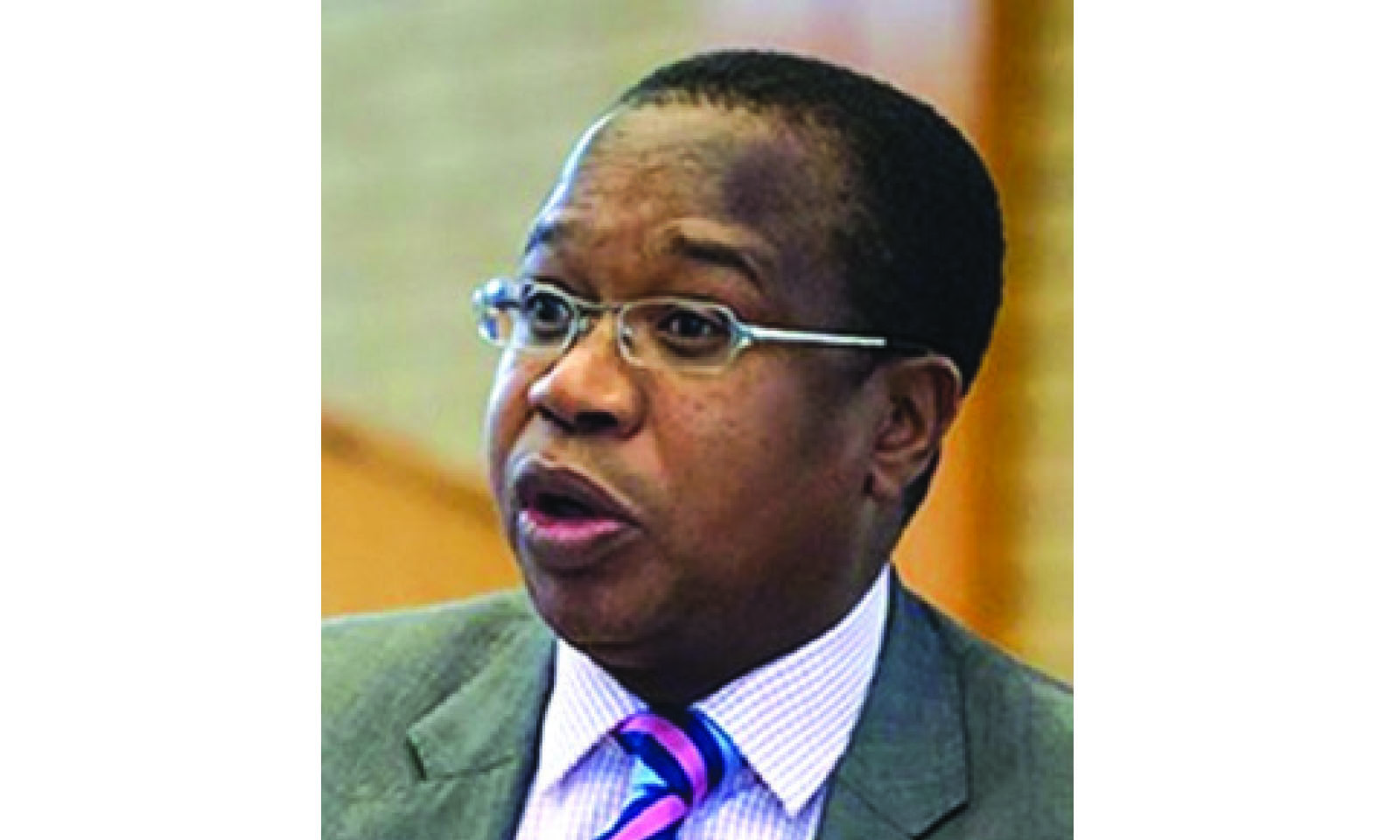
Rumbidzayi Zinyuke
in GENEVA, Switzerland
AFRICA’s reliance on foreign aid to finance its health systems was always going to be temporary, and the continent should have acted sooner to prepare for the inevitable exit of donors, says Dr Donald Kaberuka, the African Union’s High Representative for Financing, the Peace Fund and Covid-19 Response.
Already a majority of African governments, including Zimbabwe, have started moving more domestic resources to their health budgets to make up the slack from cuts in health aid.
Speaking at a high-level dialogue on domestic health funding held on the sidelines of the World Health Assembly in Geneva yesterday, Dr Kaberuka criticised what he called “analysis paralysis” in the face of declining global health financing.
“We know the issues. Donors have cut aid; global politics are complicated; fiscal space is limited; and debt service is increasing,” he said.
“There is no way aid could have been a permanent feature; it had to exit at some point. I think the biggest problem we are facing is that, because in the last 25 years there has been so much dependence on external sources of financing our health sector, it has delayed our capacity, our willingness to plan for the exit which had to come. So now we are caught suddenly and that is what we are dealing with.”
The former president of the African Development Bank emphasised that it was time for Africa to stop focusing on the actions of donor countries and instead focus on finding domestic solutions.
“Europe has chosen to cut aid and increase defence spending. The US has made its choice too. It’s time to talk about us — what do we do? We should have planned for this a long time ago, but now the time has come. And the list of things we can do is quite long, but we should not sit here lamenting about what other countries have done.”
Dr Kaberuka called on African governments to revisit their domestic health financing policies.
He said even before the current global shocks, the health sector was chronically underfunded and inequitably financed and called on the governments to not only increase domestic financing for health but make better use of the available health budgets.
This comes at a time when countries across the world are grappling with reduced donor support and are under pressure to develop resilient, self-financing health systems.
Although Zimbabwe is also feeling the impact of the declining funding for health, Finance, Economic Development and Investment Promotion Minister Prof Mthuli Ncube said Zimbabwe was on course to building a sustainable health financing system.
He outlined a series of innovative measures the country has adopted in anticipation of aid cuts, particularly the US government’s decision to reduce PEPFAR support for those living with HIV and Aids.
“In Zimbabwe, we have put systems in place to ensure our health budget is not only allocated, but also fully used,” he said.
“First of all, 20 years ago we launched an HIV-led 3 percent levy on income tax and corporate tax, to finance HIV response, and we want to continue with that. I was warned two years ago by the US that they were going to cut back on PEPFAR funding. I knew what was coming, so I said we maintain that AIDS levy.”
Zimbabwe has also introduced additional taxes on cigarettes and alcohol as well as a tax on sugar content in beverages. These taxes are now ring-fenced for health spending.
Prof Ncube said these levies are already generating funding for cancer treatment, diagnostic equipment, and other critical health needs. The country has also mobilised $200 million to build 30 mini-hospitals and six district hospitals, with four already completed.
However, despite these gains, the minister emphasised the need for structural reform.
“Ultimately, we must implement a national health insurance scheme. Legal groundwork has begun, and we’re learning from countries like Indonesia, Nigeria, and South Africa,” he said.
Nigeria’s coordinating Minister of Health and Social Welfare Prof Muhammad Ali Pate also laid out his government’s reforms aimed at bolstering health system sustainability.
He noted that recent economic reforms under President Bola Ahmed Tinubu had freed up more fiscal space to expand primary health care.
Delivering remarks on behalf of WHO director-general Dr Tedros Ghebreyesus, Dr Bruce Aylward said the world faced a structural financing crisis of pandemic proportions.
He said a WHO survey of 108 countries, including 45 in Africa, revealed that 85 percent were already facing service interruptions, especially in HIV, TB, maternal and child health.
“But African countries are moving fast. Sixty percent are reallocating budgets to protect services, and 50 percent have increased domestic health spending in the last few months. That shift is happening faster than donor responses,” he said.