Online Reporter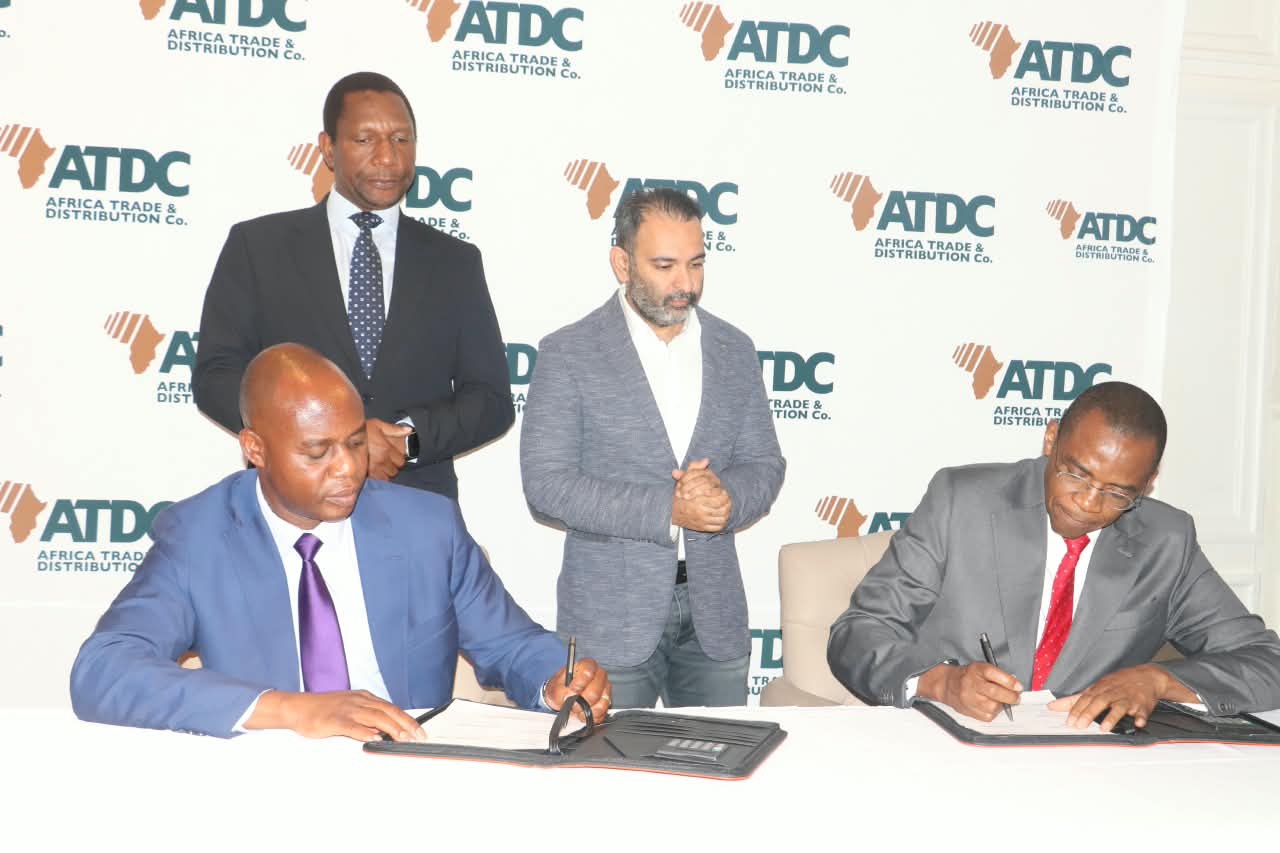
Sekai Manyere
Herald Reporter
THE Africa Trade and Distribution Company (ATDC) and the Pan-African Payment and Settlement System (PAPSS) payment platform have been launched as part of efforts to support Zimbabwe’s economic transformation agenda.
Industry and Commerce Minister Mangaliso Ndlovu, who was represented at the launch by his director, Mr Netai Magade, said the initiatives came at a time when Zimbabwe was seeking to accelerate industrialisation, expand intra-African trade and unlock investment opportunities across the continent.
“These historic initiatives come at a democratic time in the country’s economic transformation journey,” said the minister.
The Minister commended CBZ Bank, Afreximbank, PAPSS, ATDC Dubai partners and stakeholders for working together to establish this platform, arguing that strategic partnerships were crucial for strengthening industrial output and commercial linkages.
“Your collaboration demonstrates the importance of strategic partnerships in advancing industrialisation, strengthening trade, and unlocking investment opportunities; we are taking another step to be historic towards building a more productive, diversified, competitive, and export-oriented Zimbabwe,” said the minister.
Minister Ndlovu said Government policy is grounded in Vision 2030 and the national development strategy, with structural economic transformation, industrialisation, productivity and international competitiveness at the centre of national aspirations.
The Minister said the Government’s priority is to strengthen domestic production, enhance productivity, expand manufacturing capacity, and promote value addition and local beneficiation.
“In this regard, 15 priority value chains have been identified, including maize, wheat, soya beans, sunflower, traditional grains, sugarcane, beef, pork, poultry, dairy, leather, timber, cotton, tobacco, and fertilisers”.
Minister Ndlovu argued that Zimbabwe must move beyond exporting primary commodities and instead expand manufacturing, processing, imports and trade in higher-value goods and services.
He said evidence shows that a portion of the manufactured goods imported in 2025 worth US$3 billion could be locally produced.
“So we really have a big task to import substitutes. These are things that can be done; as a ministry, we are driving the agenda to produce locally and reduce this huge import gap,” Minister Ndlovu said.
He said market access depends on more than trade agreements, saying the need for competitive products, recognised standards, reliable logistics, efficient payment systems, adequate working capital and connections between producers and buyers.
“However, market access requires more than trade agreements; it requires competitive products, recognised standards, reliable logistics, efficient payment systems, adequate working capital, and strong connections between producers, customers, buyers, and investors”.
The Minister pointed to Zimbabwe’s lithium export achievement as an example of the direction of travel, while linking it to local content goals.
“It is therefore indeed pleasing to note that Zimbabwe became the first country on the African continent to make a shipment of lithium sulphate on the global market on 28 April 2026,” he said.
Minister Ndlovu said the milestone followed the Government’s ban on exporting lithium-sulphate in 2022.
“We have made history as the first African country to move the Zimbabwean chain on the back of the Government’s ban on the export of lithium-sulphate in 2022”.
The Minister said ATDC Zimbabwe’s establishment is intended to strengthen commercial links needed by productive sectors, particularly access to buyers, suppliers, investors, market intelligence, logistics and technology support.
“Businesses need access to buyers, suppliers, investors, market intelligence, logistics, and tech support. They also need reliable commercial relationships that enable them to expand beyond their traditional markets”.
He said Zimbabwe’s domestic market is limited and that businesses therefore require pathways into regional and international opportunities.
“ATDC Zimbabwe can contribute by connecting Zimbabwe producers, manufacturers, and employers to regional and international opportunities,” Minister Ndlovu said.
The Minister emphasised that the value of the initiative must be measurable in outcomes such as investment mobilised, trade facilitated, exports increased and jobs created, while ensuring small and medium-sized enterprises participate.
“We must also ensure that small and medium enterprises are able to participate in these opportunities, strengthening their contribution to domestic production, entrepreneurship, and employment,” he said.
Minister Ndlovu also referenced the importance of working capital and trade finance, arguing that industrialisation and trade development require investment beyond what non-profit institutions can provide.
“Businesses need capital to expand production, modernise equipment, adopt innovative technologies, improve operational efficiency, and develop new markets. They also require working capital and trade finance to produce inputs, manage inventories, and fulfil commercial orders,” he said.
Minister Ndlovu also praised ATDC Dubai for bringing institutional vision and capabilities to the initiative and said CBZ would act as the local joint venture partner.
“CBZ brings important financial expertise, domestic market knowledge, and established relationships across the global business community.
“Together with Africa and the region, we see trade connectivity,” said Minister Ndlovu.
He said the combined institutional strengths are expected to help address barriers that constrain enterprise growth and enable cross-border transactions in practice.
“It’s no longer like that on paper, but it is indeed happening”.
Minister Ndlovu said Zimbabwe’s challenge is to translate Vision 2030 and the national development strategy into practical outcomes through productive investment, enterprise development and expanded trade.
“The task is to translate the aspirations of Vision 2030 and NDS2 into practical outcomes through productive investment, industrialisation, enterprise development, and expanded trade”.
He said ATDC in Zimbabwe has the potential to contribute meaningfully by strengthening the connections between our businesses and opportunities available across Africa and the wider global economy.
Minister Ndlovu urged stakeholders to ensure the platform drives tangible results for exporters and job creation.
“May this partnership help our investment, strengthen industrial and commercial opportunities, expand our exports, and create meaningful opportunities for Zimbabwe businesses and citizens,” he said.