admin
admin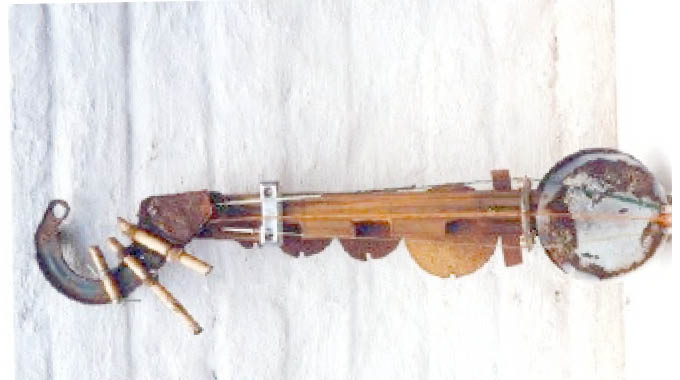
Tafadzwa Gwetai
Art in all its many forms has always been in the background of many ceremonies and the silent reason that motivates people’s line of thought.
Forms of art such as the spoken word, written word, paintings, sculpture, theatre and music.
These various types of art forms stimulate our way of thinking and how we relate to the world. The duty of the artist is to stimulate thought and arouse emotions out of the viewer or the listener. The artist now assumes the role of being an “influencer”.
The term “influencer” is a modern term designed by the “millennial” generation. The meaning is still the same but slightly redefined in what it represents. An influencer is an individual who has the power to affect purchase decisions of others because of his/her authority, knowledge, position or relationship with his/her audience.
We are faced with both genuine and self proclaimed influencers, which poses a challenge on what trends one desires to follow.
A social media influencer is a user on social media who has established credibility in a specific industry. A social media influencer has access to a large audience and can persuade others by virtue of their authenticity and reach.
Artists are influencers in their own right as they aim to trigger thought, gather more followers or set fashion trends. African art has been the focus on a global scale for centuries. The initial interest was as collected artefacts for trade and museum exhibit. Art forms from Africa were not initially considered as art but this gradually changed in the early 1900’s when European artists began to see the aesthetic quality that the masks, wood carvings and stone sculpture from the African continent possessed.
Modern painters have been very influenced by exposure to artefacts and art of other cultures. The Cubist period, founded by Georges Braque and Pablo Picasso, was the most heavily influenced Western art movement by African “Tribal art”.
During the early 1900s, the aesthetics of traditional African sculpture became a powerful influence among European artists who formed an avant-garde in the development of modern art. European artists began to incorporate African influences into their work.
Pablo Picasso has had enormous influence on 20th century art and worked in an unprecedented variety of styles. After Cubism, his major contribution to modern art is the freedom which characterises every aspect of his painting, sculpture, ceramics and graphic work.
Africa has finally taken a front row seat in many genres art and is currently “trending”. Our time to shine has finally arrived and it is now the artists agenda and motive of what they are attempting to “influence”. As artists, the form or level of expression that one uses can influence the next person as the aim of art is to relate and connect with the viewer and the listener. Global trends are being influenced by Africa.
The “Naija” sound or Nigerian music is currently setting the dance and fashion pace globally. Their music is characterised by a genuine honesty to their culture and language.
They add an authentic touch that identifies “themselves” with “themselves”. They took the role of being an influencer to their own people as opposed to other African countries music and paintings that absorb too much of the west into their creations. People from Europe and the West have always had a fascination with “authentic Africa”. Authentic Africa has strong roots to a past where Africa was once proud and strong and undiluted by foreign influences.
Zimbabwean art has also found its place in the world discourse of art in all forms of artistic creativity at high levels and international platforms. Artists in these genres such as painting and sculpture have been travelling a long journey where artists who have gone before us have set the pace.
Zimbabwean fine art influencers such as the late Louis Meque and Keston Beaton were significant influencers in our time and their painterly and sculptural energy lives on in many established and upcoming artists. Keaton Beaton attended BAT Art School of National Gallery of Zimbabwe (Paul Wade being the instructor), worked with Tapfuma Gutsa, Utonga Workshop and Surprise workshop. It is a beautiful thing to see artists who are being influenced by our own.
We live in a time when African identity is very questionable and eroding as a result of foreign ideas and trends being forced upon us. We take pride in our artists who strive to preserve the African dignity and heritage.
His intricate sculptural forms revolutionised the entire found art genre in Zimbabwe. At the time, early 1980’s, Zimbabwe was evolving from traditional sculpture and Keston Beaton championed this field and left an “artistic legacy” for the upcoming artist. He also established Zimbabwean art as a recognisable global force. Zimbabwe has current influencers such as Tapfuma Gutsa, Portia Zvavehera, Virginia Chihota, Gareth Nyandoro, Misheck Masamvu and Masimba Hwati.
Their creations reflect our Zimbabwean narratives and their techniques have inspired a whole generation of artists. As much as they may influence other artists it is up to those being inspired to keep to their true self and not get caught up with imitating and duplicating the source of inspiration as you face the risk of losing yourself or never finding your self.


 Online Reporter