admin
admin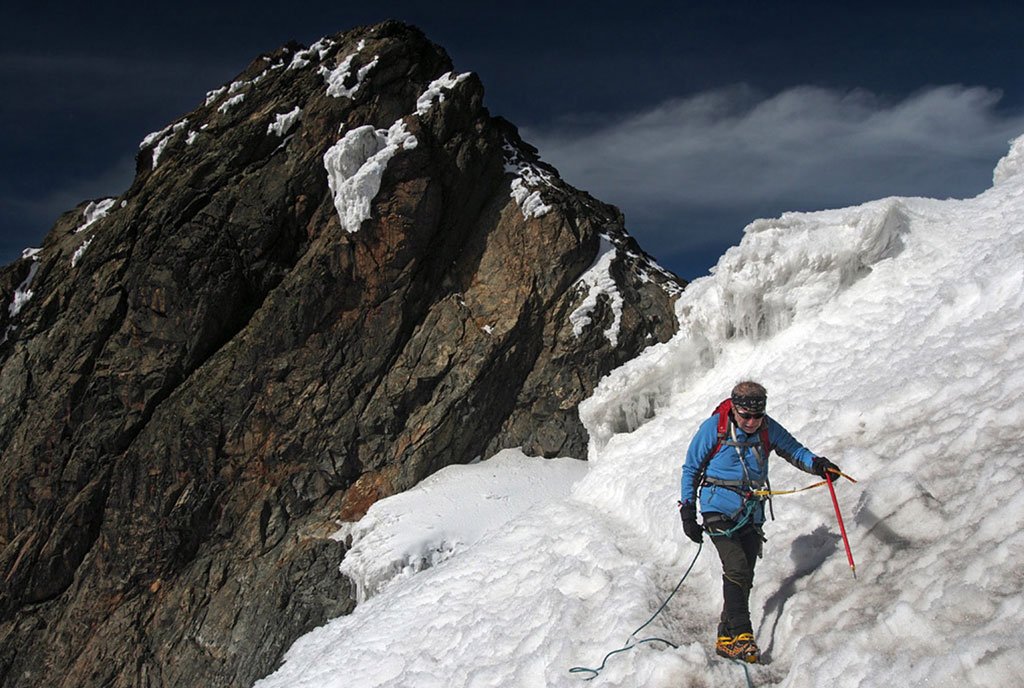
AFRICA’S fabled eastern glaciers will vanish in two decades, 118 million poor people face immanent drought, floods or extreme heat, and climate change could also shave three percent off continental GDP by mid-century, the UN climate agency warned on Tuesday.
The latest report on the state of Africa’s climate by the World Meteorological Organisation (WMO), partnered with African Union agencies, paints a dire picture of the continent’s ability to adapt to increasingly frequent weather disasters.
According to one data set, 2020 was Africa’s third warmest year on record, 0,86°C above the average temperature in the three decades leading to 2010.
It has mostly warmed slower than high-latitude temperate zones, but the impact is still devastating.
“The rapid shrinking of the last remaining glaciers in eastern Africa, which are expected to melt entirely in the near future, signals the threat of . . . irreversible change to the Earth system,” WMO Secretary-General Petteri Taalas said in a foreword to the report.
It forecast that on current rates all three of Africa’s tropical ice fields — Tanzania’s Kilimanjaro, Kenya’s Mount Kenya, and Uganda’s Rwenzoris — would be gone by the 2040s.
In addition the African Union’s Agriculture Commissioner Josefa Sacko said: Africa, which accounts for less than four percent of greenhouse gas emissions, has long been expected to be severely impacted by climate change.
Its crop lands are already drought-prone, many of its major cities hug the coast, and widespread poverty makes it harder for people to adapt.
Apart from worsening drought on a continent heavily reliant on agriculture, there was extensive flooding recorded in East and West Africa in 2020, the report noted, while a locust infestation of historic proportions, which began a year earlier, continued to wreak havoc.
The report estimated that sub-Saharan Africa would need to spend $30 billion to $50 billion, or two or three percent f GDP, each year on adaptation to avert even worse consequences.
An estimated 1,2 million people were displaced by storms and floods in 2020, nearly two and half times as many people as fled their homes because of conflict in the same year. — Online.



 Online Reporter