Online Reporter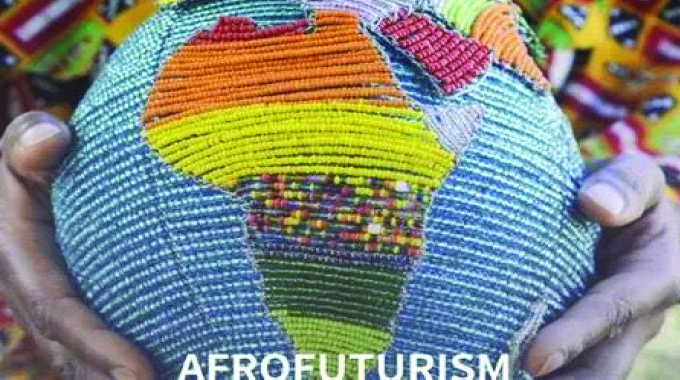
Simbarashe Murima and Kagiso Mosue, Correspondents
Africa’s rich tapestry of traditions, ethos, and customs is not just a source of pride but a potent asset to shaping the identity and social values of its societies.
However, the intersection between the uniqueness and shared characteristics of different African cultures reinforces modern Afrofuturism, particularly in the context of cultural heritage tourism and the need for the industry to explore ways to diversify tourism products, services and experiences.
Leading to the worldwide observance of World Tourism Day on September 27, and on the eve of South Africa’s Heritage Day celebrations on September 24, the University of Johannesburg’s School of Tourism and Hospitality (STH), hosted directors from Pam Golding Hospitality for a guest lecture, which ran under the theme, “Afrofuturism: A path towards tourism destination diversification”.
Grippingly, this lecture highlighted the intersection between culture, architecture, and tourism, as it unpacked the neology of Afrofuturism, with the projection of reimagining the African cultural identity and owning the narrative that will inspire innovation and creativity in future tourism product development.
In essence, Afrofuturism is a prism, a concept that refers to the cultural practices, traditions, and identities of people of African descent who have been dispersed or migrated from Africa to other parts of the world for economic, educational, or other reasons.
The ideal message seeks to reclaim and recentre African stories, voices, and experiences while encouraging the fostering of unique and innovative forms of expression.
Offering a practical illustration, a strong reference was made to Great Zimbabwe, which bore witness to the birth of myriad artistic talents and showcased unparalleled architecture in Africa and beyond.
Thereafter, in leveraging the concept of Afrofuturism, there is a proposal by Pam Golding Hospitality, in conjunction with Zimplats, to build Ngezi Afrotourism Centre in Ngezi.
This will be an epitome of Afrofuturism, incorporating modern designs that represent the past and the future evolution in Zimbabwe’s heritage and culture.
Once successful, this massive project will allow the development of a distinctive brand identity that showcases Ngezi as a touristic destination, thus creating an immersive cultural experience inspired by African elements with futuristic visions.
A project of this nature is bound to offer significant socio-economic benefits not only for the communities surrounding the Ngezi area but for the broader tourism and hospitality value chain across the SADC region as well.
Afrofuturism examines how science and technology interact with the culture of Africanism. Through imaginative writing and techno-culture, it confronts themes of the African community.
Afrofuturism, more concretely, has re-awakened interest in the African techno-culture, as well as breaking down barriers between different cultures and artistic traditions.
One of the speakers at the lecture, Kaylon Karrim said, “Afrofuturism is a development guide and an evolution of culture, and we need to embrace Afrofuturism by owning the narratives.”
However, by understanding and appreciating African diaspora culture, we can gain insights into the complex histories, experiences, and contributions of people of African descent.
By embracing Afrofuturism, destinations can create unique, captivating, and culturally rich experiences that attract visitors and promote economic development.
Afrofuturism tells us about how the past thought about the future, through science and technology infused African history and culture.
Thus, this inspires fresh thinking about the future of tourism through the lens of culture and heritage.