Online Reporter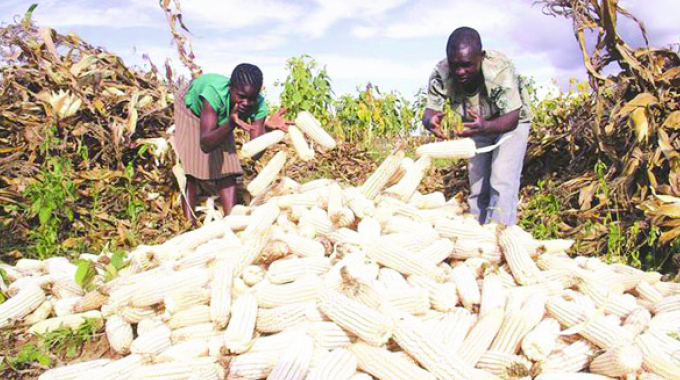
Tapiwanashe Mangwiro
MONTHLY producer prices for agriculture eased in July, as reflected by the slowdown in the latest Producer Price Index for Agriculture (PPIA) data released by the Zimbabwe National Statistics Agency (ZimStat).
The data captures price movements across crop and animal production, hunting, fishing and aquaculture.
Producer prices for agriculture measure the average annual change in prices received by farmers for their primary products — such as crops and livestock — at the farm gate or first point of sale.
These indices track market fluctuations at the initial stage of the agricultural supply chain, excluding costs related to further processing or transport to consumers. They offer insight into the economic health and price trends within the agricultural sector.
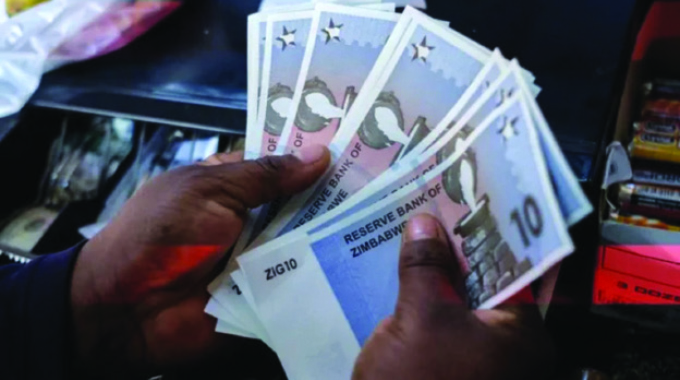
The trends indicate growing stability across the Zimbabwean economy, supported by tight monetary and fiscal policies following the introduction of Zimbabwe Gold (ZiG) in April last year, which replaced the inflation-prone Zimbabwe dollar.
According to the Reserve Bank of Zimbabwe, inflation has been on a downward trajectory since February 2025, with a monthly rate of 0,3 percent in June 2025 and an average of 0,5 percent for the February–June period — signalling successful control over price increases and a stabilised ZiG currency.
The central bank remains optimistic, targeting a year-end monthly inflation rate of three percent by December 2025.
“The month-on-month rate of change in July 2025 was 2,2 percent, shedding 1,5 percentage points from the June 2025 rate of 3,7 percent. This means that prices, as measured by the all-items ZiG PPIA, increased by an average of 2,2 percent from June 2025 to July 2025.”
Despite this slowdown, year-on-year figures remain elevated, reflecting the high base effect from last year, following the price surge in October after the central bank devalued the local currency to correct market distortions.
“The year-on-year rate of change for the ZiG Producer Price Index for Agriculture (PPIA) was 141,5 percent in July 2025. This means that prices, as measured by the all-items ZiG PPIA, increased by an average of 141,5 percent from July 2024 to July 2025.”
The main contributors to July’s increase in ZiG-denominated terms were crop and animal products, as well as hunting-related services.
On the US dollar side, prices rose only slightly, with fishing and aquaculture contributing most to July’s increase.
“The monthly rate of change in July 2025 was 0,2 percent, gaining 0,1 percentage points on the June 2025 rate of 0,1 percent,” ZimStat reported.
Annually, the rate of change for the US dollar Producer Price Index for Agriculture (PPIA) was 9,6 percent in July 2025. This means that prices, as measured by the all-items USD PPIA, increased by an average of 9,6 percent from July 2024 to July 2025, according to ZimStat.
The sharp contrast between ZiG and USD indices underscores the impact of currency dynamics on agricultural pricing.
Farmers selling in local currency experienced much steeper cost and revenue fluctuations than those transacting in hard currency.

ZimStat also monitors a weighted index that blends both ZiG and US dollar movements. July’s figures showed some moderation.
“The month-on-month rate of change in July 2025 was 0,8 percent, shedding 0,3 percentage points from the June 2025 rate of 1,1 percent. This means that prices, as measured by the all-items Weighted PPIA, increased by an average of 0,8 percent from June 2025 to July 2025,” the agency said.
Annually, weighted prices still showed notable increases.
“The year-on-year rate of change for the Weighted Producer Price Index for Agriculture (PPIA) was 37,5 percent in July 2025.
This means that prices, as measured by the Weighted PPIA, increased by an average of 37,5 percent from July 2024 to July 2025,” ZimStat said.
Economists say the figures highlight the challenge of balancing farmer viability with consumer affordability in an economy grappling with inflationary pressures.
Economic analyst Namatai Maeresera said the slowdown in monthly growth was encouraging, but warned that the annual figures remained a concern.
“While the deceleration in July offers some relief, such high annual increases ultimately feed into food prices and household spending,” Mr Maeresera said.
He added that the gap between ZiG and USD indices revealed structural distortions.
“Farmers and suppliers operating in US dollars are experiencing relatively stable conditions, but those relying on local currency face volatile swings that complicate planning and investment,” he said.
Meanwhile, agricultural economist Thelma Daka, argued that the trends present both risks and opportunities for the sector.
She emphasised the importance of policy alignment.
“To stabilise the sector, authorities need to continue addressing exchange rate volatility and provide targeted support for inputs. Otherwise, we risk discouraging investment in agriculture at a time when the sector is crucial for food security and exports,” Ms Daka said.
Analysts expect producer prices to remain elevated in the short term, with seasonal factors such as harvest cycles and rainfall patterns also likely to influence dynamics. The key question for policymakers will be whether inflationary pressures can be contained without undermining agricultural profitability.