Online Reporter
Trust Khosa, Zimpapers Arts & Entertainment Hub
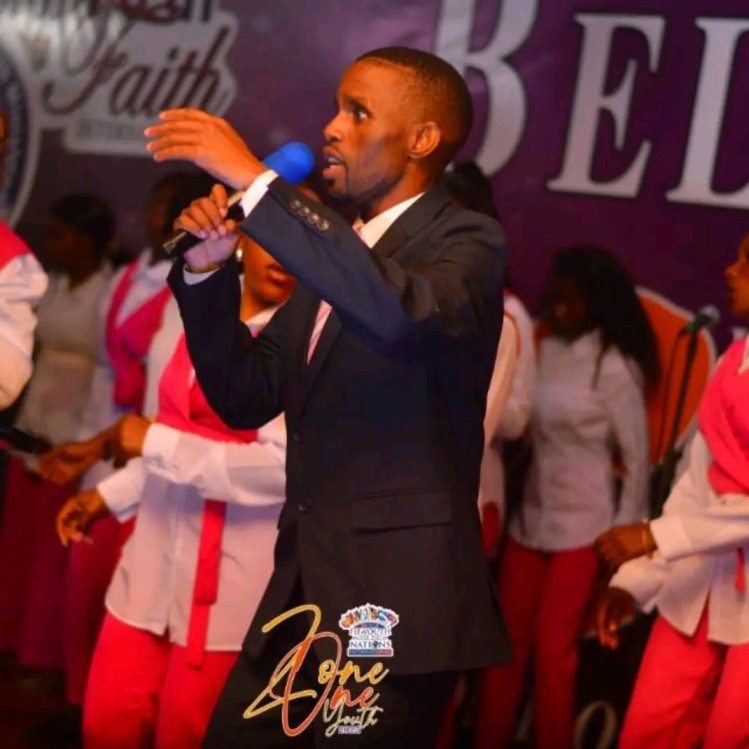
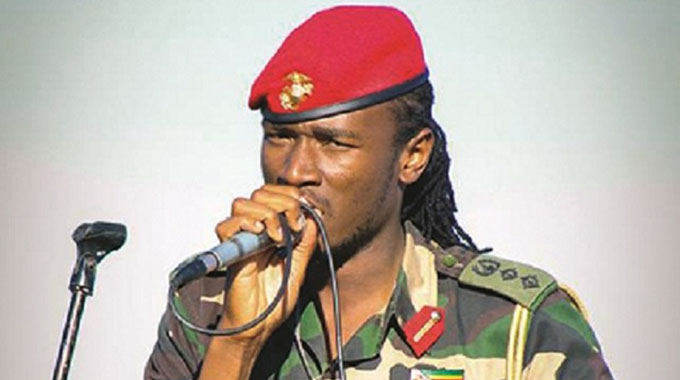
MUSICIAN Braveman “Baba Harare” Chizvino, who recently announced his return to Jiti music after a gospel stint, has voiced his frustration over what he describes as the widespread exploitation of gospel artistes by some church leaders, who fail to compensate them fairly for their performances.
The 36-year-old singer, who made a sensational comeback to the Jiti scene earlier this week following a year-long focus on gospel shows, said his experiences have shown that passion alone is not enough to sustain an artiste in the industry.
Baba Harare, who briefly adopted the stage name King David during his gospel phase, made the remarks on Tuesday in a candid Facebook post that has since sparked mixed reactions.
“This might sound controversial, but it comes from my heart and my own experience. For the past year, I’ve been on a hiatus from secular shows and performing exclusively at gospel events. As a Christian and as someone who is part of this community, I feel I have every right to speak on this.

“I’ve been blessed to experience both worlds — the secular stage and the gospel stage. From a ministerial perspective, gospel concerts are powerful. They spread the Word, they win souls, and they glorify God. But from a business perspective, it’s a different story, and I would not advise any up-and-coming artiste to rely exclusively on gospel shows,” he wrote.
Baba Harare said that despite numerous bookings at church events, payment has often been inconsistent or entirely absent.
“Too many times, I’ve been booked to minister at church events and conferences, only to struggle afterwards to recover even my basic expenses. Often, people hide under the idea that because you’re ministering for the Kingdom, payment shouldn’t matter.”
The singer stressed that gospel musicians must be treated with fairness and respect if the genre is to thrive.
“But let’s be honest: I am not only a Christian; I am also a human being and an artiste. This is my work, my livelihood, and I need to survive beyond the stage. In the secular industry, I’ve never had a payment issue. In the gospel industry, it happens far too often,” he said.
He added that church leaders must abandon the mindset that gospel music is a free service.
“If we really want the gospel genre to grow, travel and stand strong, we need to treat gospel artistes with dignity and fairness. This is not just ‘singing’; it is ministry, but it is also a business.”
Baba Harare recalled a recent incident in which he asked a church for a US$200 token to cover fuel and expenses after performing for free, only to be insulted.
“On Friday, I went to minister at a church. I didn’t charge them a performance fee. All I asked for was a token of $200 to cover my fuel and expenses. Instead of understanding, I was met with rudeness. Suddenly, I was no longer a ‘brother in Christ’, but was mocked and called a ‘comrade’. This is not Kingdom behaviour. This is not how we build each other up. It’s one of the reasons the gospel industry struggles to move forward — lack of respect, lack of accountability and non-payment of artistes,” he wrote.
Baba Harare said his decision to speak out was not intended to attack anyone, but to spark an honest conversation.
“I’m not posting this to attack anyone but to start a real conversation. If you’re a promoter, a church, or an organiser, please do better. Honour your word. Respect the artist. Support the ministry in every sense,” he said.
His sentiments drew mixed reactions, with many supporting his call for accountability.
In response to Baba Harare’s critique of church treatment of gospel artistes, musician Pastor Praise Goveya, highlighted the challenges of balancing ministry and business in Zimbabwe’s gospel scene.
“I share the same concern. Many Christians, especially leaders, expect gospel artistes to minister for free, while they themselves would never work for free. This double standard has hindered the growth of the gospel industry,” he said.
Goveya noted that promoters often avoid gospel events because they are financially unsustainable, leaving artistes struggling while audiences readily support secular shows.
“The systems around contracts, payments, and sustainability are lacking. Gospel music should be respected as both ministry and business,” he stressed.
He concluded with a call for fairness: “If we truly believe in the power of the gospel, we must treat gospel musicians with dignity and accountability.
“This isn’t about choosing between ministry and money; it’s about stewardship and respect. Until that balance is achieved, gospel music will remain spiritually rich but economically fragile.”
Fellow gospel musician Trymore Bande said churches must honour agreements.
“If you invite me to sing at your church and you’re aware I’m a gospel artiste, and I’ve taken the time to prepare and come to minister, please give me what we agreed upon, so I can take care of my errands and provide for my kids. I’m not just singing for the crowd; I’m ministering to them, and my time and talent are valuable. Getting paid for my singing doesn’t mean I don’t love God, I love my God, but I also need to sustain my livelihood,” Bande said.
UK-based gospel artiste and preacher, Prophetess Phammy Macheka agreed.
“You did well to speak out. The church sometimes behaves as if love is long gone, showing disrespect. The problem starts with the perception that someone’s gift is of no value,” she said.
Comedienne Tarisai “Madam Boss” Chikocho, who began her career as a praise and worship singer, said she also experienced similar treatment.
“I suffered the same on my end. It’s like, how can someone treat you poorly? Therefore, I will continue with my work; I will pray in my own space,” she commented.
Socialite Chembere Good said hypocrisy in churches is to blame.
“Maiti Wolves in Sheep’s clothing yaireverwa vemunyika here? Kwairehwa ikoko kumaChurch kwenyu kuno; what you see is what you get,” she said.
Baba Harare, who worked with Jah Prayzah for eight years before going solo in 2017, built his brand as a Jiti star before turning to gospel music last year. After a year of struggles in the gospel circuit, he has made a U-turn to Jiti — a move he says was necessary for survival.