Online Reporter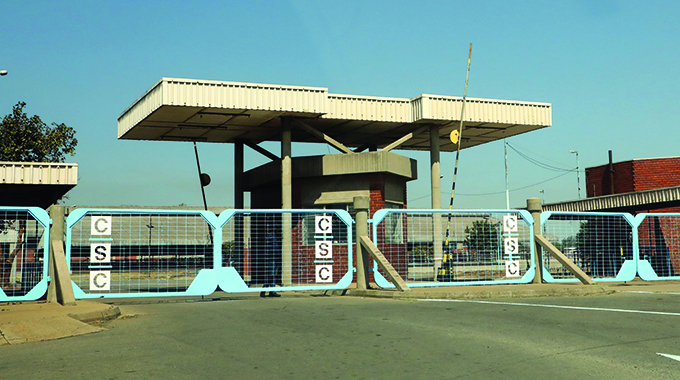
Nqobile Bhebhe, Zimpapers Business Hub
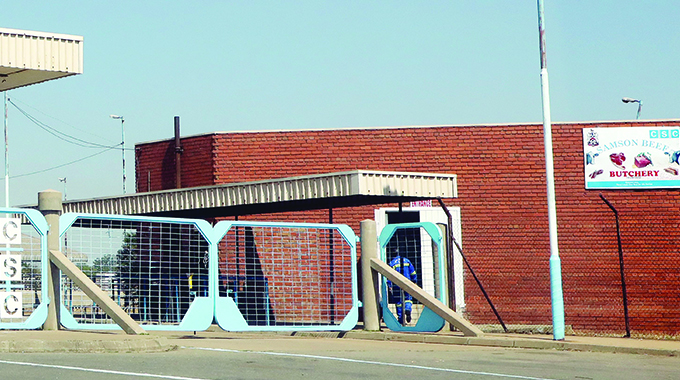
COLD Storage Company (CSC), once Zimbabwe’s largest beef producer, has officially exited corporate rescue following the successful implementation of turnaround measures aimed at reviving one of the country’s most iconic agro-industrial assets.
The development marks the successful conclusion of a lengthy recovery process initiated to restore CSC’s operations and safeguard jobs after years of financial distress that nearly brought the once-vibrant beef exporter to collapse.
According to a notice published over the weekend, the corporate rescue process, which commenced in December 2020, has now formally ended.
“Notice is hereby given pursuant to Section 125 (2) of the Insolvency Act (Chapter 6:07) that a notice of substantial implementation of the corporate rescue plan of CSC, adopted by affected persons on 15 April 2025, has been filed with the Master of the High Court.
The corporate rescue proceedings of CSC ended with effect from October 16, 2025,” read the statement by outgoing corporate rescue practitioner, Mr Crispen Mwete.
Operational control of the Bulawayo-headquartered company will now revert to its management and board.
“Any issues relating to the company must henceforth be directed to the company’s management and board,” the notice added.
CSC has struggled to sustain profitable operations over the years and faced the risk of liquidation as creditors demanded repayment. Mounting debts, allegations of poor management, and suspected corruption, among other factors, had plunged the company into insolvency, while an increased risk profile made it difficult to attract fresh investment or working capital.
At the time of corporate rescue, experts attributed the insolvency to several factors, including corporate governance failures, imprudent financial management, adverse external conditions, and internal constraints such as inadequate funding, outdated equipment and the loss of key suppliers, customers and personnel.
Its creditors include Zesa Holdings, the National Social Security Authority and the urban councils of Bulawayo, Harare and Chinhoyi.
CSC’s assets include multiple ranches, such as Maphaneni in Kezi, Dubane in Gwanda, Darwendale in Mashonaland West, Umguza in Matabeleland North, Chomfukwe, Umzingwane-Railway Block Gwanda, Chivumburu in Masvingo, Mushandike (Meyers Rust) in Masvingo, Zeederberg Belwigwe and Willsgrove Feedlot in Bulawayo.
The corporate rescue model — also known as business rescue or judicial management — is part of the Government’s strategy to rehabilitate distressed but economically significant firms. It is regulated under the Insolvency Act, which replaced the old Companies Act (Chapter 24:03).
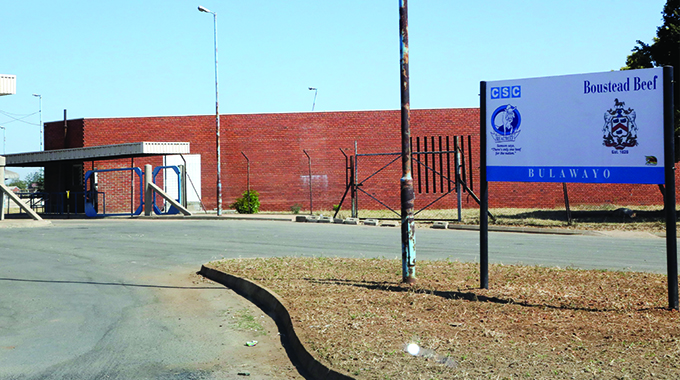
CSC was placed under corporate rescue after financial challenges emerged in implementing its 2019 joint venture agreement with the United Kingdom-based Boustead Beef, which was expected to spearhead the company’s revival and clear its debts.
The model has increasingly become a preferred route to safeguard critical national assets and preserve jobs across key economic sectors.
Another high-profile case was that of Metallon Gold Zimbabwe, which, together with its subsidiaries Goldfields of Shamva and Goldfields of Mazowe, was placed under corporate rescue by the High Court. The intervention enabled the mining giant to reorganise its debts, stabilise operations, and craft a sustainable plan to restore profitability while protecting thousands of jobs.
In the coal mining sector, Makomo Resources — a vital supplier to the Zimbabwe Power Company — was successfully removed from corporate rescue in February 2025 after settling debts and restructuring operations, a development hailed as a model recovery story.
The retail and manufacturing sectors have also benefitted from this legal framework.
On August 7, 2024, Truworths Limited and its subsidiaries, Topics Stores and Bravette Manufacturing, were placed under corporate rescue, to help reorganise operations and preserve the company’s iconic brand and employment footprint.
More recently, Khayah Cement Limited was placed under corporate rescue on December 30, 2024, with Mr Bulisa Mbano of Grant Thornton Zimbabwe appointed as practitioner. The move was seen as crucial to stabilising a key player in the construction industry, vital for national infrastructure projects.
Analysts note that the corporate rescue framework has proven to be a more compassionate and commercially astute alternative to liquidation, shifting the focus from dismantling companies to rehabilitating them while balancing the interests of creditors, employees and shareholders.
CSC’s successful exit, therefore, represents not just a recovery for one company, but a validation of Zimbabwe’s evolving insolvency and business rescue landscape — a critical pillar in national economic renewal.