Online Reporter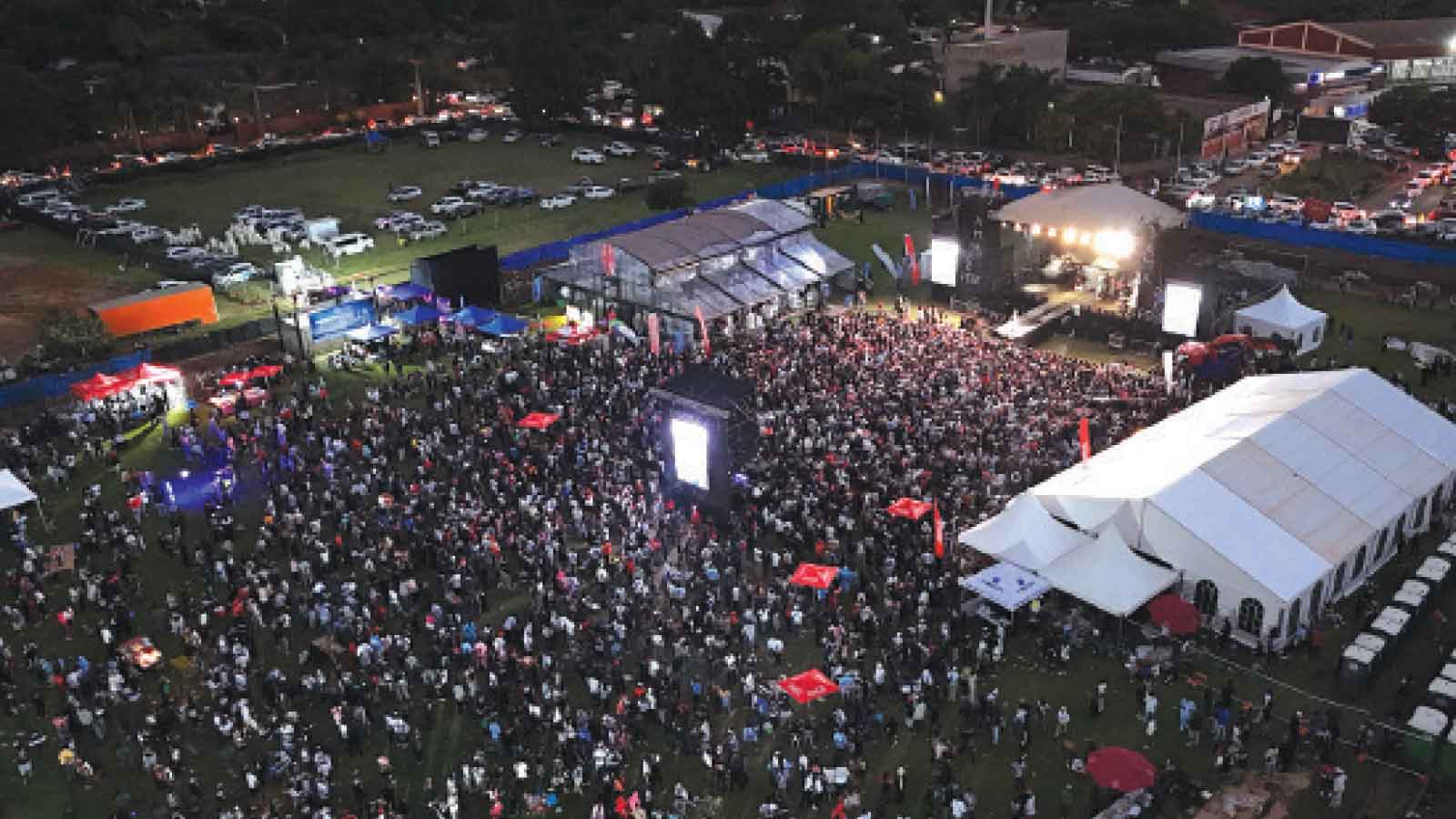
Tafadzwa Zimoyo-Zimpapers Entertainment Editor
HARARE’S Belgravia Sports Club was transformed over the weekend into a spirited celebration of youth culture as the Ama2K Festival delivered a seamless, upbeat and overwhelmingly positive experience for Gen Z.
Timed for the start of the school holidays, the event drew a capacity crowd of teenagers and young adults who responded with energy, creativity and good-natured enthusiasm, a sign that a new model for youth-focused entertainment may be taking root in the capital.
From early afternoon, the venue hummed with excitement. Attendees arrived in colourful, contemporary outfits and quickly turned the space into an energetic live stream of dances, selfies and shared moments.
Rather than merely consuming the music, young people activated the event: leading viral dance routines, forming impromptu sing-alongs and creating collective moments that felt curated by the crowd itself.
The atmosphere was joyful and inclusive, a clear indication that the organisers had successfully tapped into what this generation values most: community, creativity and authenticity.
“We wanted to create a space where young people could let loose, connect and celebrate without feeling judged,” said co-organiser Lewis John.
“Seeing everyone sing, dance and just be themselves — that’s exactly what we set out to do.”
The festival’s success rested on three pillars: sharp curation, strong digital build-up and thoughtful operations.
Promoted heavily online by social-media personality Hatiperi and the Ama2K team, the festival gained momentum in the weeks beforehand, turning anticipation into full-capacity attendance. On the programming side, organisers booked acts that resonate with current youth tastes, blending established names with rising local talent to maintain a dynamic pace across the bill.
Performers such as Xiba, Bagga and Atenda Chinx — who surprised the crowd with a guest appearance by Freeman — delivered vibrant sets that kept the energy high.
Artists including Nutty O, Scotts Maphuma and Runner Rulez warmed the crowd efficiently, setting the stage for headline performer Ruger.
They stamped their authority.
The Nigerian artist, Ruger’s extended set, anchored by well-known singles, met and often exceeded audience expectations, sparking sustained sing-alongs and moments of genuine connection between artist and fans.
Audience response was uniformly positive. “It was the best day of my holidays so far,” 22 year old Monique Mutasa said, still breathless from dancing.
“Everyone was friendly, the music was perfect and I felt totally safe the whole time.”
That sense of safety was notable: despite large numbers and a predominantly teen crowd, the festival remained calm and orderly throughout. There were no reports of serious incidents, an outcome that attests to measured security planning and professional crowd management that balanced safety with a non-intrusive presence.
“We planned for good flow, clear signage, and responsible security so people could relax and enjoy,” explained Hatiperi.
“Our goal was to make sure the event felt fun first and foremost, while being safe and respectful.”
Operational discipline contributed to the festival’s polished feel. Performances began punctually and transitions between acts were efficient; production elements — sound, lighting and stage management — were consistently on point.
Even as the event extended slightly beyond its scheduled finish, the exit was smooth, with staff guiding departures to avoid bottlenecks and ensure a calm dispersal. These often-overlooked details elevated the experience from a typical youth gig to a professionally executed festival.
Beyond the immediate day-of success, Ama2K’s broader significance is worth noting. The festival demonstrated a clear commercial and cultural demand for well-executed events aimed at young people. By marrying relevant programming with effective marketing and sound logistics, Ama2K created a replicable model that other promoters and cultural stakeholders could adopt. It also provided a high-profile stage for local artists to reach new audiences, potentially stimulating growth across the local music ecosystem.
Industry observers praised the festival as a constructive blueprint. “What Ama2K achieved was simple but powerful,” one promoter commented. “They listened to their audience, invested in production and created an environment where young people could celebrate responsibly. That combination is rare but clearly effective.”
As the lights faded and the final refrains echoed out of Belgravia, chants for “Next year!” rose from the crowd — an enthusiastic approval rating that organisers will no doubt take seriously. The challenge now is to sustain momentum: to secure sponsors, expand programming and continue placing safety and audience experience at the centre of planning.
For now, Ama2K leaves the capital with an optimistic after-taste: a well-run, joyous event that showcased Zimbabwe’s youth as vibrant, organised and deserving of professional platforms. If this weekend was any indication, Harare’s youth scene has found not only a festival but a blueprint for how young culture can thrive — responsibly, creatively and to enthusiastic applause.