Chronicle Editor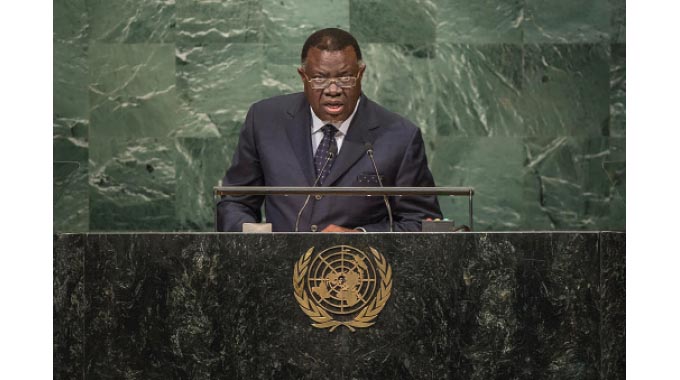
Vusumuzi Dube, Online News Editor
THIS month, Zimbabwe joins hands with the international community to call for the lifting of sanctions that have been choking its socio-economic progress.
The country declared 25 October, the Anti-Sanctions Day, an official public holiday to show the importance of the day to the economic emancipation and well-being of its citizens.
The day was also endorsed by the Southern Africa Development Community (Sadc) and the African Union (AU) in solidarity against sanctions imposed on Zimbabwe by the United States and her Western allies.
The month holds great significance for the nation, as it seeks to shed light on the detrimental impact of economic sanctions while rallying support from other African countries in pursuit of the complete removal of the economic restrictions.
It is a particularly significant moment for all progressive Zimbabweans which comes at a time President Mnangagwa and the ruling Zanu-PF party have been given a fresh mandate to run the country’s affairs.

President Mnangagwa’s victory came at a time where he has declared that despite the impact of the sanctions, he will ensure the development of the nation using its own resource, through the ‘nyika inovakwa nevene vayo/ilizwe lakhiwa ngabanikazi balo’ mantra.
The anti-sanctions drive in Zimbabwe aims to draw attention to the adverse effects of economic sanctions on the country’s development and well-being of its citizens. For over two decades, Zimbabwe has faced various forms of sanctions imposed by Western nations due to political differences.
These sanctions have severely hindered the country’s economic growth, limited access to international financing and trade, and negatively affected the lives of ordinary Zimbabweans. However, this commemorative month serves as an opportunity for the nation to unite, regardless of political affiliations, and collectively advocate for the lifting of these sanctions.
By highlighting the negative consequences and sharing testimonies of those affected, Zimbabwe aims to raise awareness internationally and invoke empathy and solidarity from the global community.
Support from other African countries
One heartening aspect of Zimbabwe’s anti-sanctions campaign is the support it has received from other African nations. Many countries across the continent have shown solidarity with Zimbabwe, recognizing the need for collective action in addressing the negative impact of sanctions on its economy and people.
Zimbabwe’s economic growth is closely linked with that of its neighboring African countries. The lifting of sanctions would facilitate increased regional integration, creating opportunities for enhanced trade, investment, and collaboration.
It would open avenues for closer cooperation within Sadc and AU, contributing to a more united and prosperous Africa. Zimbabwe’s progress in economic development would inevitably impact the entire region, promoting stability and socio-economic advancement for all.
African leaders recently took advantage of the 78th Session of the United Nations General Assembly in New York to reiterate calls for the removal of the illegal sanctions imposed on Zimbabwe.
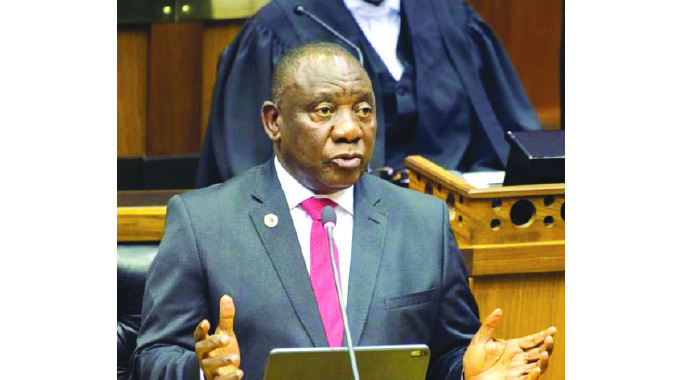
South African President, Cyril Ramaphosa said the illegal sanctions imposed on Zimbabwe by the West are causing untold suffering among ordinary citizens and neighbouring countries, and should be lifted.
“South Africa continues to call for the lifting of the economic embargo that was imposed 60 years ago against Cuba. An embargo that has caused untold damage to the country’s economy and the people of Cuba as well. The sanctions that are also being applied against South Africa’s neighbour, Zimbabwe, should also be lifted as they are imposing untold suffering on ordinary Zimbabweans, but also have a collateral negative impact on neighbouring countries as well such as my own country, South Africa.”
Namibian President Hage Geingob noted that the punitive and illegal economic sanctions that were unilaterally imposed on Zimbabwe by the United States and its Western allies must be immediately removed to enable the Southern African nation to meet the global 2030 Agenda on sustainable development.
President Geingob said the sanctions on Zimbabwe are an obstacle to the country’s attainment of Agenda 2030, which, inter alia, seeks to end poverty, protect the planet and improve the lives and prospects of everyone, everywhere. The 17 goals were adopted by all UN Member States in 2015, as part of the 2030 Agenda for Sustainable Development which set out a 15-year plan to achieve the Goals.
“I always say, you do not make peace with your friends, you make peace with your enemies, punitive measures imposed for over half a century on the Republic of Cuba, have caused untold hardship that has disenfranchised the Cuban people. Selective punitive measures against Zimbabwe and Venezuela must also be lifted as these measures constitute the greatest obstacle to the implementation of the 2030 Agenda for sustainable development,” said President Geingob.
In his address at the UN General Assembly, President Mnangagwa also echoed the call by his African colleagues for the lifting of the illegal sanctions against Zimbabwe. He however, emphasised that despite these illegal sanctions, the country had since become a master of its own destiny, through the use of its own resources to develop the nation.
“Zimbabwe has been under the illegal, unilateral economic sanctions for 23 years, imposed by some Western countries. These sanctions were designed to subjugate the sovereign will of the Zimbabwean people. We, therefore, demand that the unjustified unilateral sanctions be unconditionally lifted, including those imposed on countries like Cuba.
“We remain grateful for the support and solidarity of progressive countries in the comity of nations. In spite of these debilitating sanctions the people of Zimbabwe have become masters of their own destiny. This is anchored on a philosophy that as a people, we have the duty and responsibility of developing our country, using our own domestic resources,” said the President.
African nations have therefore continues calling for the lifting of sanctions, demonstrating their understanding of the importance of regional stability and progress. These countries acknowledge that the removal of sanctions would create opportunities for increased intra-African trade, investment, and economic cooperation.
Moving Forward
As Zimbabwe commemorates the anti-sanctions month, it is crucial to remember that the nation has made significant strides in recent years towards political stability and economic rejuvenation. The successful conduct of the harmonised elections, resulting in the reelection of President Mnangagwa and the ruling Zanu-PF party, signifies the will of the people and their vision for a prosperous and united Zimbabwe.
This month serves as a reminder that lifting the sanctions would not only provide immediate relief but also enable Zimbabwe to unlock its full potential for sustainable development. It would pave the way for increased foreign direct investment, job creation, improved access to international markets, and enhanced socio-economic well-being for all Zimbabweans.
The lifting of these sanctions holds immense importance for the nation as it strives to rebuild its economy, foster international cooperation, and improve the lives of its people. Sanctions have severely limited Zimbabwe’s access to international financing, trade, and investment opportunities. Consequently, the country has struggled to attract foreign direct investment and secure favorable loans.
By lifting sanctions, Zimbabwe can revitalise its economy, promote sustainable growth, and create new employment opportunities for its citizens. It will enable the nation to engage in fair, mutually beneficial trade relationships with global partners, leading to increased prosperity.
The economic impact of sanctions has had a devastating effect on ordinary Zimbabweans, exacerbating poverty levels and reducing their overall quality of life. Lifting sanctions would provide the nation with access to international markets, helping to increase exports and generate much-needed revenue.
With improved economic conditions, the government can allocate resources towards poverty alleviation initiatives, including social welfare programs, healthcare, and education, which will uplift the most vulnerable members of society.
Therefore, as Zimbabwe observes the anti-sanctions month, it rallies for international cooperation and support in lifting the economic restrictions that have hindered its progress for far too long.
The successful harmonised elections reflect the nation’s determination to chart a new course towards prosperity and unity.By standing together, Zimbabwe and other African countries emphasise the importance of regional cohesion, collective advocacy, and the belief in dismantling barriers to achieve shared goals. It is through these concerted efforts that Zimbabwe can foster economic growth, stability, and a brighter future for its citizens.



 Online Reporter