Rumbidzayi Zinyuke
Health Buzz
Twenty-year-old Tapiwa thought it was just a stomach ache.
The pain had started suddenly during the night, a dull discomfort around his belly button that he ignored, hoping it would disappear by morning. By the next day, he could barely stand upright.
Every step sent a sharp pain through the lower side of his abdomen, while nausea and fever left him weak and exhausted.
Like many young Zimbabweans, Tapiwa first tried to push through the pain. He drank herbal remedies, swallowed painkillers and waited for relief.
But hours later, he was rushed to hospital for emergency surgery after doctors discovered that his appendix was close to bursting.
Had he arrived later, the outcome could have been far worse.
Across the world, appendicitis continues to disrupt lives in the same sudden and frightening way.
Often beginning with symptoms easily mistaken for ordinary stomach problems, the condition remains one of the most common surgical emergencies globally.
While modern medicine has made appendicitis highly treatable, delayed diagnosis and poor access to emergency care still place many people at risk, especially in low-resource settings like Zimbabwe.
The appendix is a small finger-shaped pouch attached to the large intestine. When it becomes inflamed or infected, the condition is known as appendicitis. If untreated, the appendix can burst, spreading infection throughout the abdomen and causing life-threatening complications.
Globally, appendicitis affects millions of people every year. According to the Global Burden of Disease Study, there were an estimated 17,7 million new cases worldwide in 2019, with a global incidence rate of nearly 230 cases per 100 000 people.
Medical researchers say appendicitis is now recognised as the most common abdominal surgical emergency worldwide.
While death rates from appendicitis have declined over the decades because of improved surgery and antibiotics, the disease still places a huge burden on health systems, particularly in developing countries where patients may arrive at hospitals too late.
What makes appendicitis particularly dangerous is how easily it can be mistaken for ordinary stomach problems.
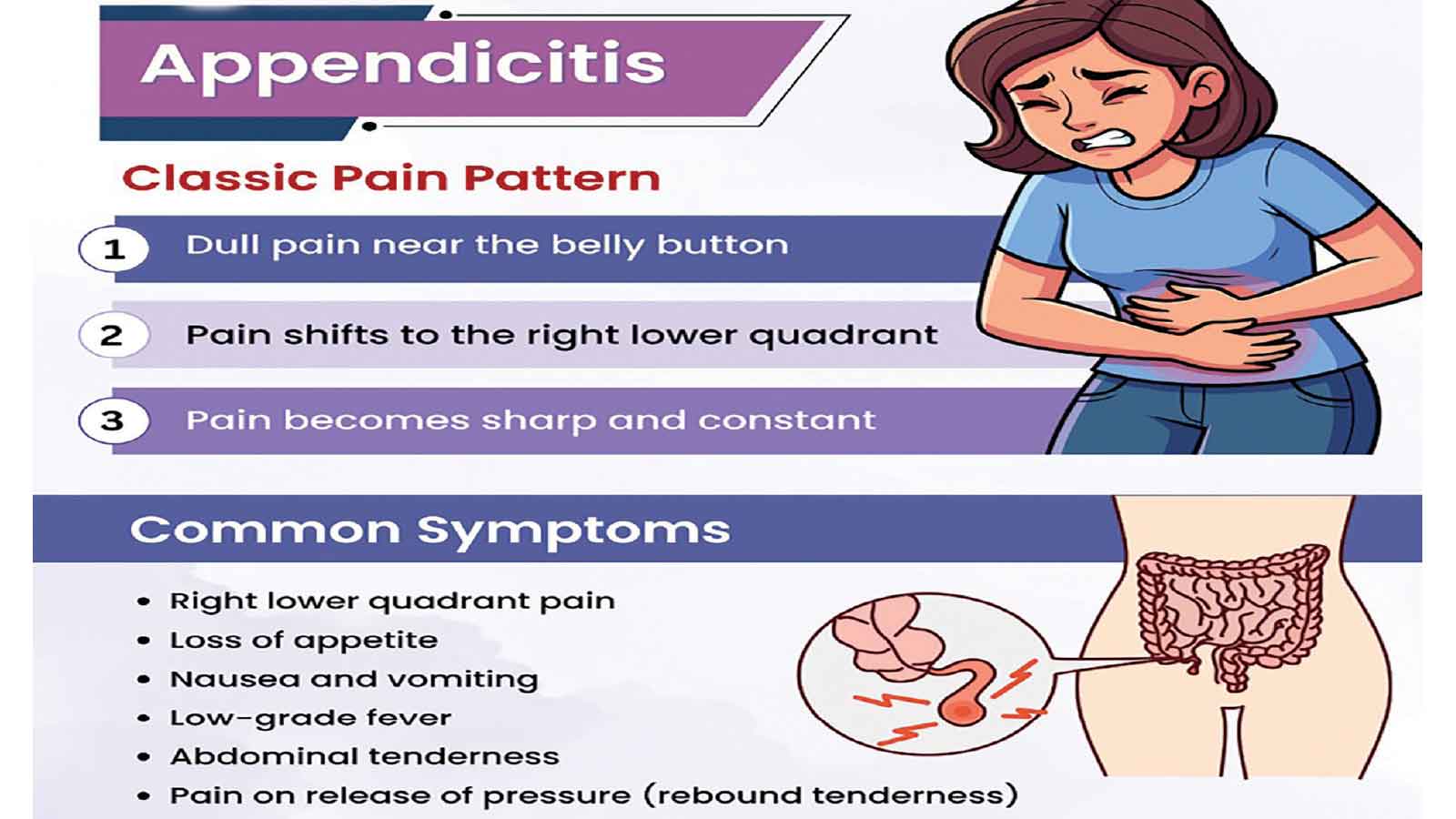
The pain usually begins around the navel before moving to the lower right side of the abdomen. It may be accompanied by nausea, vomiting, fever, constipation or diarrhoea. However, symptoms can vary from person to person, making diagnosis difficult in some cases.
Children, teenagers and young adults are among the groups most commonly affected, although appendicitis can occur at any age.
Doctors warn that delays in treatment can lead to perforation, commonly known as a burst appendix. Once the appendix ruptures, bacteria can spread into the abdominal cavity, leading to peritonitis, abscesses and sepsis, conditions that can quickly become fatal.
Studies show that the lifetime risk of developing appendicitis ranges between 6 percent and 8 percent.
In Zimbabwe, exact national statistics on appendicitis remain limited. However, surgeons in major referral hospitals say appendicitis is among the most frequent emergency surgeries performed in both adults and children.
Health experts say one of the biggest challenges in Zimbabwe is delayed presentation to health facilities.
Some patients travel long distances to reach surgical services, while others first seek treatment at local clinics that may not have imaging equipment or surgical specialists.
Poverty also contributes to delays.
For many families, the decision to go to hospital is weighed against transport costs, consultation fees and the fear of surgery. As a result, some patients only seek help when complications have already developed.
This reality is not unique to Zimbabwe.
Across many African countries, limited surgical capacity continues to affect outcomes for emergency conditions like appendicitis.
The Lancet Commission on Global Surgery previously highlighted that billions of people worldwide lack access to safe and affordable surgical care, especially in low- and middle-income countries.
Appendicitis also has an economic and social cost that is often overlooked.
When a young person is hospitalised unexpectedly, school attendance suffers. Parents may lose income while caring for sick children. Workers can spend weeks recovering after complicated surgeries. In severe cases, prolonged illness can leave families facing emotional and financial strain.
Young adults in informal employment may lose their only source of income during recovery.
Although appendicitis is generally treated with surgery known as an appendectomy, advances in medicine are changing how some cases are managed.
Doctors now recognise that certain mild cases may respond to antibiotics before surgery becomes necessary. However, surgery remains the standard and most reliable treatment, especially where there is risk of rupture.
Modern diagnostic tools such as ultrasound scans and CT scans have also improved doctors’ ability to identify appendicitis earlier.
Yet access to these technologies remains uneven in many parts of Zimbabwe, particularly in rural areas.
In district hospitals and clinics without imaging equipment, diagnosis may rely heavily on physical examination and clinical judgement. This increases the possibility of missed or delayed diagnosis.
Children often face an even greater risk because they may struggle to explain their symptoms clearly. Parents may assume the child has ordinary stomach cramps or diarrhoea, delaying urgent medical attention.
Pregnant women can also present unique challenges because the growing uterus shifts abdominal organs, making the pain less typical and diagnosis more difficult.
Public awareness, therefore, becomes critical.
Many people know about hypertension, diabetes and cancer, but fewer understand the warning signs of appendicitis despite its sudden and potentially deadly nature.
Doctors advise that persistent abdominal pain, especially pain moving toward the lower right side, should never be ignored. Fever, vomiting and inability to walk comfortably due to pain are additional warning signs requiring immediate medical assessment.
Self-medication can worsen the situation.
Taking strong painkillers before diagnosis may mask symptoms and delay treatment. Some traditional remedies may also postpone urgent surgical care.
Globally, researchers continue to study why appendicitis occurs. Factors such as diet, genetics, infections and lifestyle have all been explored. Some studies suggest that low-fibre diets may contribute to increased risk, although no single cause has been conclusively identified.
Research also shows changing global trends in appendicitis.
While mortality rates have generally fallen because of medical advances, incidence rates in some developing and industrialising countries continue to rise.
Experts believe improved diagnosis partly explains the increase, but urbanisation and dietary changes may also play a role.
Despite being highly treatable, appendicitis remains a reminder that medical emergencies can emerge suddenly and without warning.
A stomach ache dismissed in the morning can become a life-threatening crisis by nightfall.
Zimbabwe is already working on improving emergency surgical services and strengthening referral systems, what is needed now is raising community awareness which could help reduce complications and save lives.
The message is simple: not every stomach pain is harmless!
Sometimes the body is sounding an alarm that should never be ignored.
Feedback: [email protected]