Online Reporter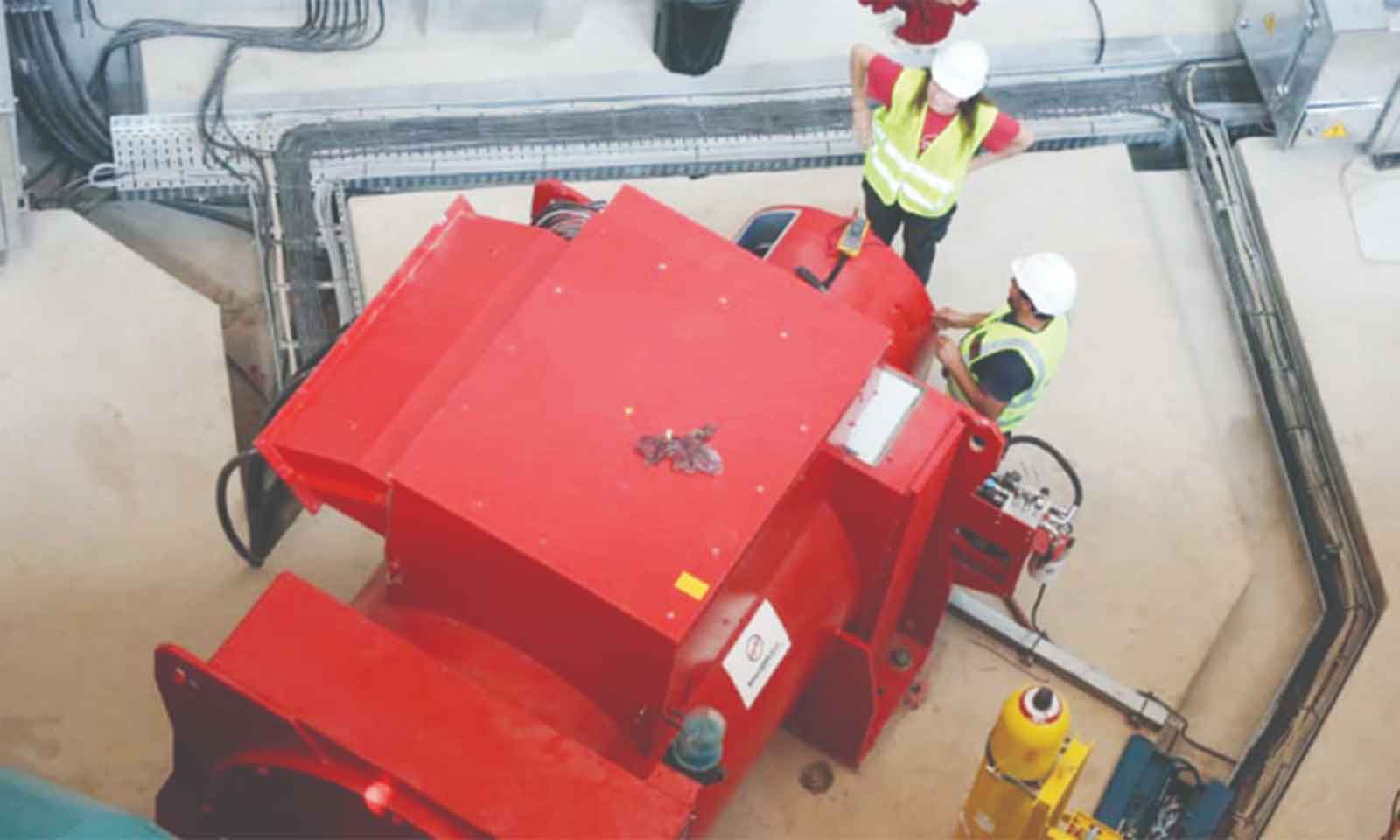
Masvingo Bureau
A DELEGATION from the African Peer Review Mechanism (APRM) has commended the Second Republic for successfully attracting investment in renewable energy, which aligns with the nation’s Vision 2030 goals for socio-economic transformation.
The praise came after a visit to the 5MW hydropower plant developed by Great Zimbabwe Hydro Power Company at Lake Mutirikwi last Friday.
President Mnangagwa and his administration have been lauded for their ambitious infrastructural development projects, which aim to position Zimbabwe on a sustainable growth trajectory.
These projects are integral to the country’s aspiration to achieve upper middle-income status by 2030.
The hydropower plant at Lake Mutirikwi, Zimbabwe’s second-largest inland dam, was established through a US$14,6 million investment, significantly altering the energy landscape of Masvingo city and surrounding areas.
Completed in November last year, the plant has been continuously feeding power into the ZESA grid, effectively changing the energy matrix for the region.
Leading the APRM delegation was Dr Rachel Mukamunana, who represented Ambassador Aly El-Hefny, the chairperson of the APRM panel of eminent persons.
During the tour, Dr Mukamunana praised the project’s engineering ingenuity, noting its dual benefits which are generating electricity, while also supplying irrigation water to Lowveld cane plantations.
“It is encouraging to see how the Government of Zimbabwe and its people are harnessing renewable energy to produce electricity that powers industries, benefitting the economy and the general populace,” she remarked.
The delegation was keen to understand how the power plant managed water resources, particularly during drought years.
They were reassured that the design prioritises sustainable power generation without compromising dam water levels essential for aquatic life and irrigation.
APRM international consultant Mr Samuel Njoroge, also part of the delegation, commended the Government for its commitment to clean energy.
“We are impressed with the work done here, especially given that 95 percent of the skills used in constructing the power plant were local, and much of the investment came from local firms and pension funds,” he noted.
The APRM officials suggested that other African nations could benefit from Zimbabwe’s approach to harnessing water from existing bodies for renewable energy, similar to what has been achieved at Lake Mutirikwi.
Site manager for Great Zimbabwe Hydro Power Company Engineer Austin Chiboora informed the delegation that there were plans to construct two additional hydropower plants downstream, which could each generate 5MW using the same water used for irrigation.
“Two sites have been identified downstream where additional plants can be established, potentially allowing us to generate a total of 15MW before the water reaches Bangala Dam in Masvingo South,” he explained.
As the hydropower plant marked its one-year anniversary of feeding power into the grid on November 13, Permanent Secretary for Masvingo Provincial Affairs and Devolution Dr Addmore Pazvakavambwa acknowledged the Government’s efforts in rolling out transformative projects.
He said power cuts had become rare in Masvingo city and surrounding areas, thanks to the new hydropower plant.
Establishing more such plants could position Masvingo as a net exporter of renewable energy, contributing to the province’s ambition to achieve a US$8 billion economy by 2030, said Dr Pazvakavambwa.
The hydropower project stands as a testament to Zimbabwe’s commitment to socio-economic growth, enhancing both local energy production and agricultural irrigation.