Chronicle Editor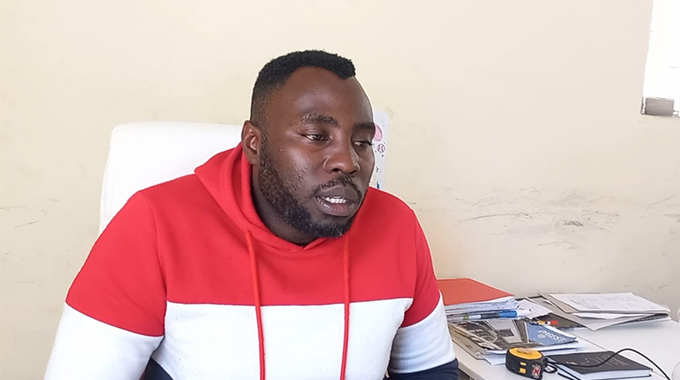
Nqobile Tshili, [email protected]
THE city of Bulawayo, which is largely characterised by colonial architecture, has undergone a remarkable transformation over the past decade.
The initiative to modernise and revitalise the city was led by the Bulawayo City Council (BCC) in response to the growing need for economic development. The concept of regeneration was born, focusing on the reconstruction of both commercial and residential buildings.
Visitors walking through the streets of Bulawayo will be greeted by modern complexes that reflect the city’s new identity. Some parts of the city centre once dominated by aging structures, now boasts an array of mini-complex buildings designed to accommodate various businesses.
These structures, with their glass façades and innovative designs, symbolise the city’s leap into the future.
The transformation is not only limited to the commercial sector. Town houses and modern housing projects have sprung up, offering stylish and comfortable living spaces for some of the city’s residents. These new homes reflect contemporary architectural trends while providing the amenities and comforts expected in modern urban living.
Central to Bulawayo’s transformation are the local architects who have brought these projects to life.
One such architect, Mr Adams Mapingire, has been instrumental in designing key projects across the city. From schools and fuel stations to housing projects and flea markets, Mr Mapingire’s work is reshaping Bulawayo’s landscape.
Mr Mapingire views the construction growth across the country as a prime opportunity for architects to showcase their skills. He notes that well-travelled property owners often bring their designs for local execution.
“Bulawayo has been going through various stages of development. The city is undergoing what has been termed the city’s regeneration and we are part of the transition process,” said Mr Mapingire.
“While most people are just seeing completed buildings, as architects we are behind the remodelling of the city’s buildings to give Bulawayo a new look. As it stands, I’m proud to have designed one of the biggest structures in Bulawayo, the Harvest House International Conference Centre in Selbourne Brooke which will have 10 000 seats when completed.”
The impact of Mr Mapingire’s work extends beyond grand conference centres. He has also designed schools, fuel stations and residential housing projects, each contributing to the city’s evolving aesthetic and functional needs.
His work in the central business district includes redesigning and modernising flea markets, transforming them into contemporary, efficient spaces for commerce.
“Now you are seeing bigger buildings being redesigned and partitioned like the trend where there has been a creation of the lettable units. I’m working on these designs,” said Mr Mapingire.
“I’ve redesigned the Mutiza Flea Market, I’m working on designing Unity Village Flea Market and Fort 11 Flea Market. I’ve designed the complex for the Zimbabwe National Liberation War Veterans Association, which will be constructed in Entumbane.”
While Bulawayo’s regeneration has brought about significant change and progress, it has also posed its own set of challenges. For instance, the Fire Brigade Department has raised concerns about the risk of fires in partitioned buildings, where overstocking by traders can exacerbate fire hazards.
Mr Mapingire acknowledges the concerns raised by the Fire Brigade Department regarding fires in partitioned buildings.
“When a fire consumes one section, it quickly spreads to the other side of the shop. But even in partitioned buildings, there is a need for buffer zones which will stop the spread of fires,” he explains.
Dr Nicholas Muleya, an expert in town planning, said urban renewal or gentrification is a critical component in terms of urban planning.
“Urban renewal implies that the old buildings and old infrastructure are replaced by new modern buildings and infrastructure. This is a very important exercise that can improve people’s living conditions,” said Dr Muleya.
“Besides the state of disrepair, normally the old houses may not meet minimum standards for habitable buildings in terms of delight, commodity and robustness. These are health hazards and therefore urban renewal assists in correcting such conditions.”
Dr Muleya added that where wholesome demolition and replacements are involved, it is necessary to maintain or refurbish buildings of historic interest and architectural significance.
“The process must involve consultation of the locals and must consider land tenure and ownership issues to avoid conflicts and ensure buy-in,” he noted.
Nevertheless, Mr Mapingire continues to contribute positively to the city’s developmental efforts and, as Bulawayo climbs towards new heights, it is architects like him who are the driving force behind the city’s transformation.


 Online Reporter