Online Reporter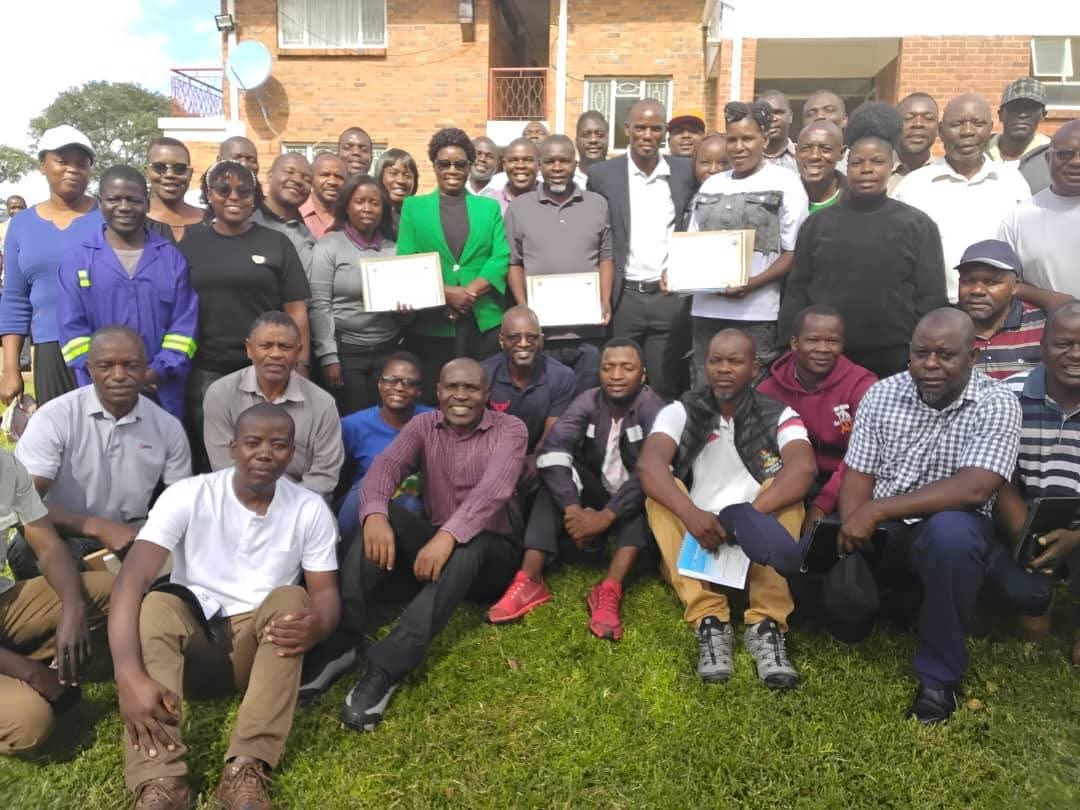
Judith Phiri [email protected]
ARTIFICIAL Insemination graduates have been called on to capitalise on the skills they acquired to boost livestock productivity and improve breeds in communities.
Through a National Artificial Insemination Programme, the Government capacitated 150 Agricultural Business Advisory Officers (ABAOs) (previously extension officers), veterinary officers at district level and researchers at provincial level.
Artificial insemination in cattle is a breeding technique where semen from a superior bull is collected, frozen and manually deposited into a cow’s uterus by a technician during estrus (heat).
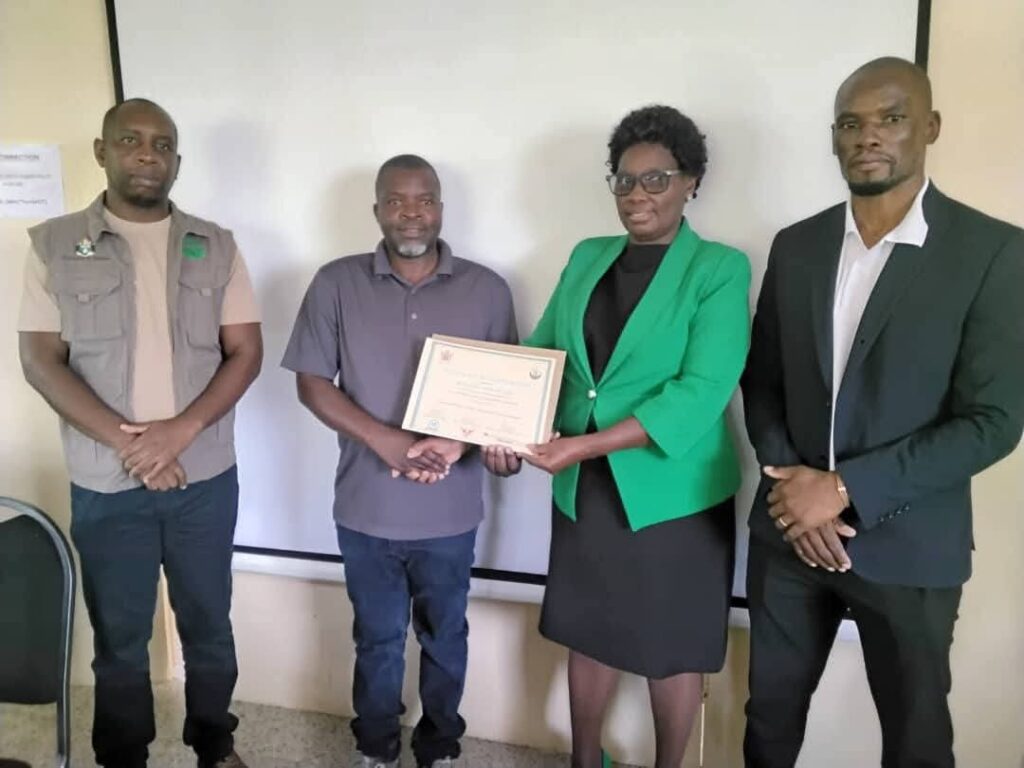
The process improves genetic traits such as milk production, increases reproductive efficiency and eliminates the need for farmers to maintain a bull.
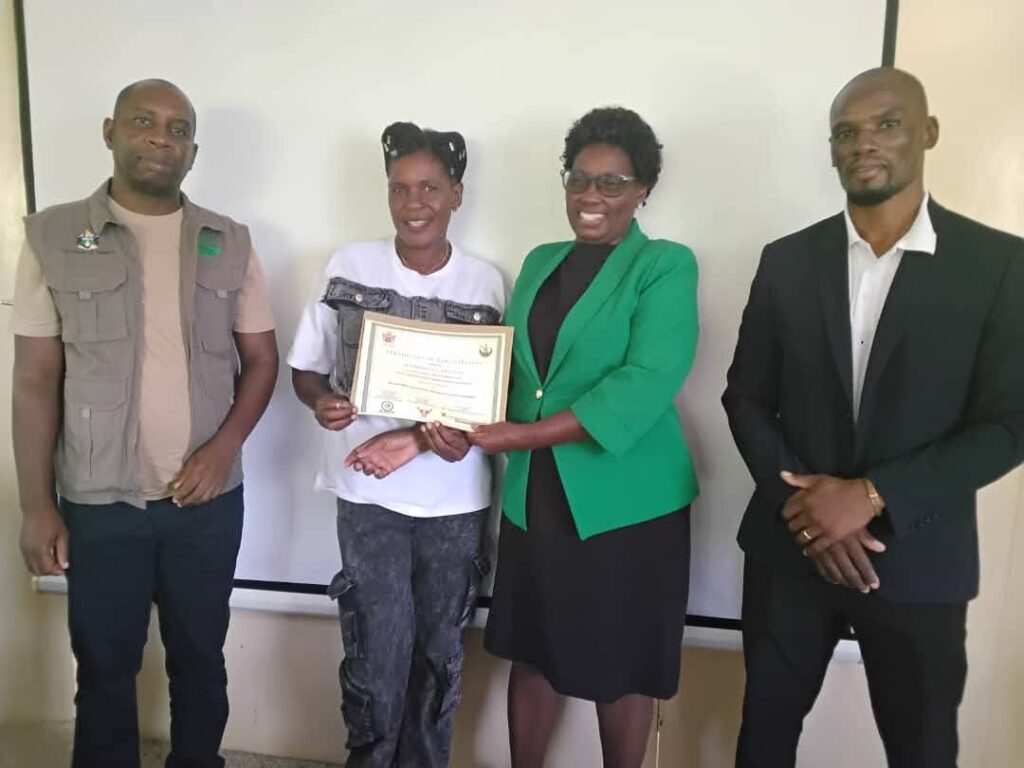
Speaking at the graduation ceremony at Matopos Research Institute on Friday, Agricultural and Rural Development Advisory Services (ARDAS) chief director Mrs Medlinah Magwenzi commended the graduates’ dedication, noting that they will drive herd size growth and improved livestock quality.
“This is a notable milestone where the artificial insemination graduates receive their certificates, equipped with the skills to boost livestock productivity and improve breeds in communities.
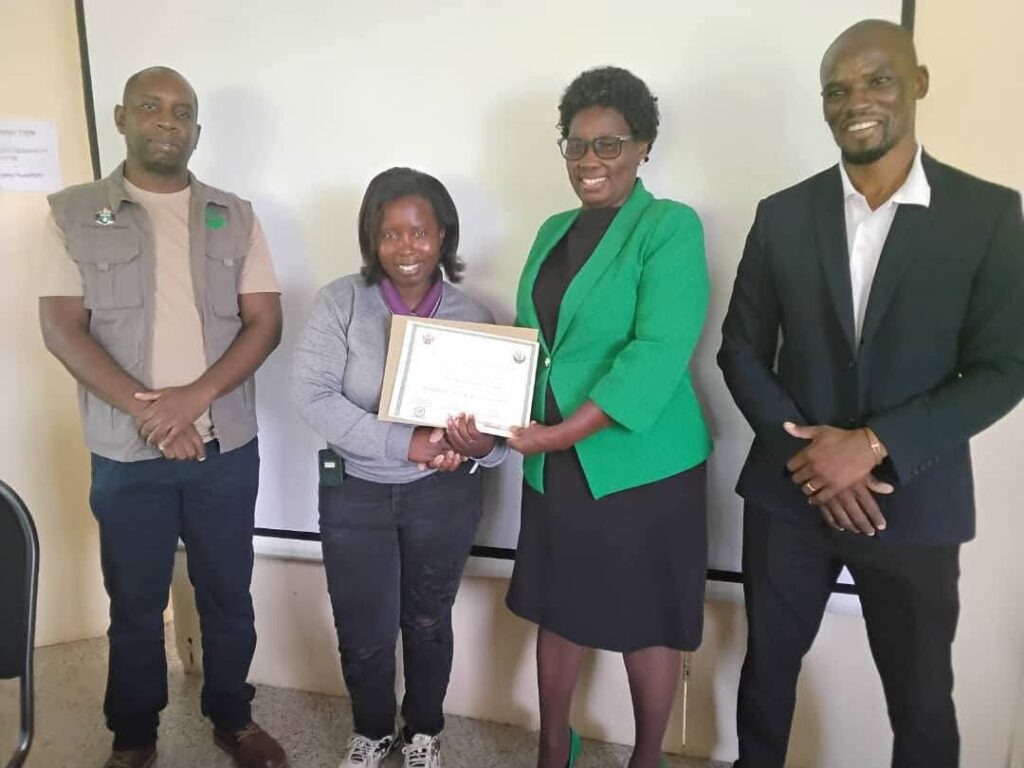
“They will drive herd size growth and improved livestock quality, while they are also expected to train others and serve as ambassadors of modern livestock production. With AI kits in hand, they are set to enhance productivity and rural development, contributing to livestock and food security in Zimbabwe,” she said.
The Ministry of Lands, Agriculture, Fisheries, Water and Rural Development Livestock Research Deputy Director had also procured artificial insemination kits for all trained personnel to enable the rollout of the National Artificial Insemination Programme.
The artificial insemination kits for livestock are specialised sets of tools designed to improve breeding accuracy, hygiene and success rates, ranging from standard manual tools for small scale use to visual digital systems that use cameras for precise placement.