admin
admin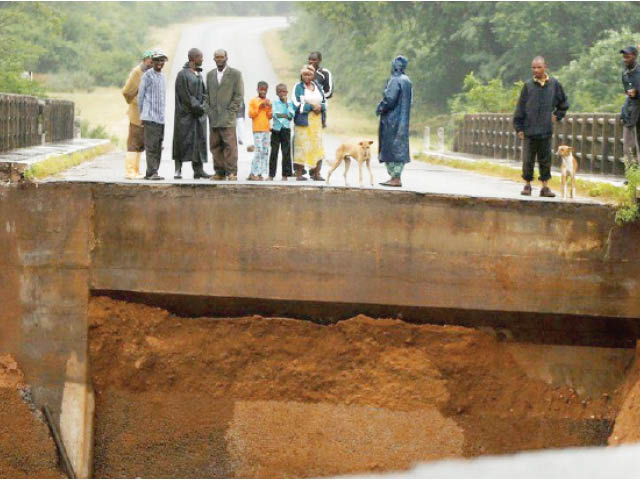
Zimbabwe has been shaken to the core by the Cyclone Idai tragedy and the unity shown across the country should be a source of pride for Zimbabweans.
We surely can achieve a lot if we always see the other person as a human being, as a Zimbabwean deserving their place in a united country, as a vital cog in this giant machine called Zimbabwe. That Zimbabweans have mobilised so much help for their fellow citizens in such a short space of time is testimony of the power of unity.
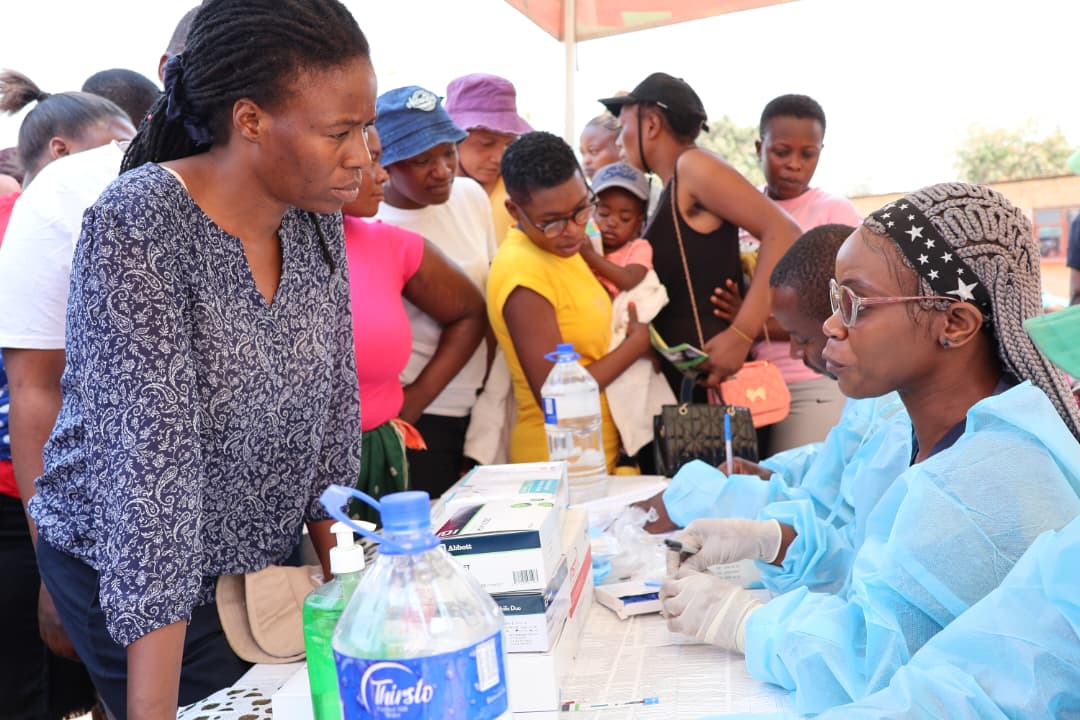
It is a good thing to be able to empathise with fellow citizens in such difficult times. We need more of such a spirit. Let us not help because we want it to be known that we helped, but let it be a moral duty to stand with those that find themselves in difficult circumstances. We applaud the response by Zimbabweans in assisting the people of Chimanimani and Chipinge and pray that rescue efforts and mitigatory measures forestall further challenges, especially of disease in the flood areas.
We believe in this day and age of climate change where extreme weather patterns are the order of the day, we should take useful lessons from such occurrences to better prepare for disasters. While Cyclone Idai has been the worst storm to hit the country this season, there has been several others that have left a trail of destruction around the country. Major resources will be needed for reconstruction and it is important that our emergency preparedness systems are revisited so that we respond speedily in future. As the national response is focused on the floods in the east of the country, a large part of the country is facing a serious drought this year and many will require food aid while a water crisis looms in many parts of the country, affecting both humans and livestock.
It is against this background that we feel that going forward there should be substantial provision for the Civil Protection Unit so that it is capacitated to deal with any emergency. The country suffered from the effects of Cyclone Eline about 18 years ago but the damage caused by that storm is still with us, with some bridges and dams yet to be repaired. Since the frequency of such disasters seems to be increasing, we need a response that takes that into account. Billions are needed to restore damaged infrastructure countrywide before we even start talking of setting up new infrastructure, showing how much of a setback the disasters have become.
Let us ensure that we are not prodded into action by a major disaster and then recede into debilitating dormancy thereafter. We need to strengthen emergency preparedness at provincial, district and ward level. The drought is an unfolding emergency, but are we ready to deal with it? The water shortages are staring us in the face but are there plans to mitigate the effects of such, to deal with the likely outbreaks of water-borne diseases when people resort to unsafe sources due to the water shortages?


 Online Reporter